
Furnace Installation in Maryland
Homes in Maryland need heat for fewer months of the year than in 28 of the other 49 states.
Tell us about the job
Takes about a minute. No obligation.
- 27°Fwinter overnight low where people live
- 7 monthsof heat, October through April
- $15.55 per million Btuwhat homes paid for natural gas in 2024 (Btu means British thermal units, a measure of heat)
- 370winter storms from 2015 to 2024
Electricity runs about $52 per million Btu an efficient furnace costs less to run
- Northern counties need about 9% more heat than southern ones
- Winter nights average 27°F where people live
- Heat runs October through April
- 370 winter storms from 2015 to 2024
- Climate zones 4A and 5A across the state
- 11% of homes lost power a day or more in 2024
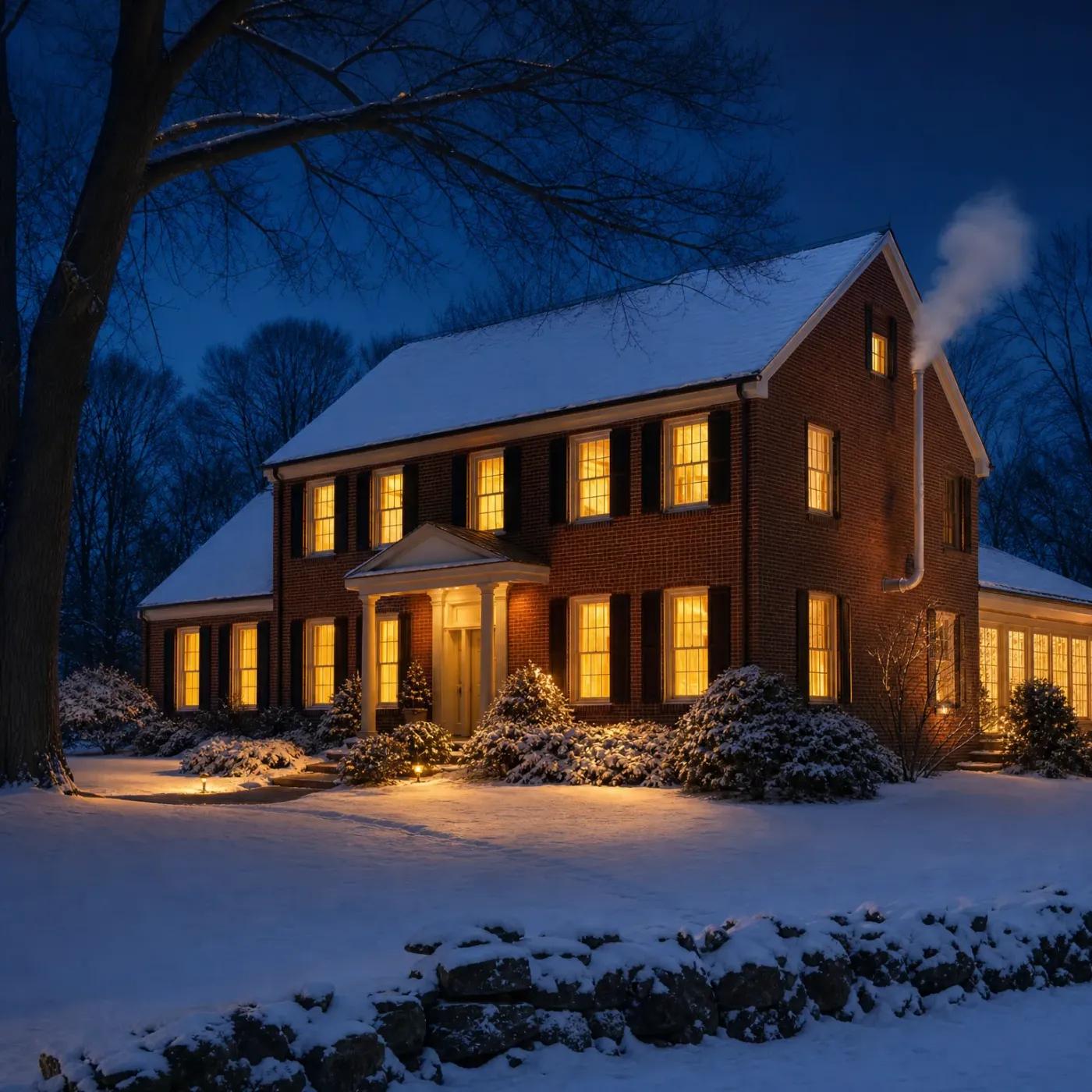
A furnace that's too big for the house will short cycle. It heats the space fast, shuts off, then kicks back on a few minutes later because the air never had time to circulate and even out. That constant starting and stopping wears on the ignitor and the blower motor, and it leaves some rooms warm while others stay cold. Too small and it just runs and runs, straining to keep up on the coldest days and never quite getting there.
Getting the size right means a room by room load calculation, not just matching the number on the old unit. A contractor looks at square footage, ceiling height, window area and orientation, how much insulation is in the attic and walls, and the layout of the ductwork already in place. Houses that look alike from the street can still need different size furnaces depending on how they're built. That calculation, done properly, is what tells you the right output for the space, not a guess based on the last system that was in there.
Install before the heat is needed
Furnace here runs from October through April, about seven months. September is the month before that stretch starts, which makes it the better time to put in a new system. An install in September happens on a normal schedule, with time to do the load calculation right and order the correct unit. Wait until the heat is already needed and that schedule gets tighter. Maryland homes need heat for fewer months than in most states, but October through April is still most of the year, and a furnace that goes in under pressure is more likely to be sized off the old number instead of the real one.


4 months of cooling, June through September
7 months of heat, October through April
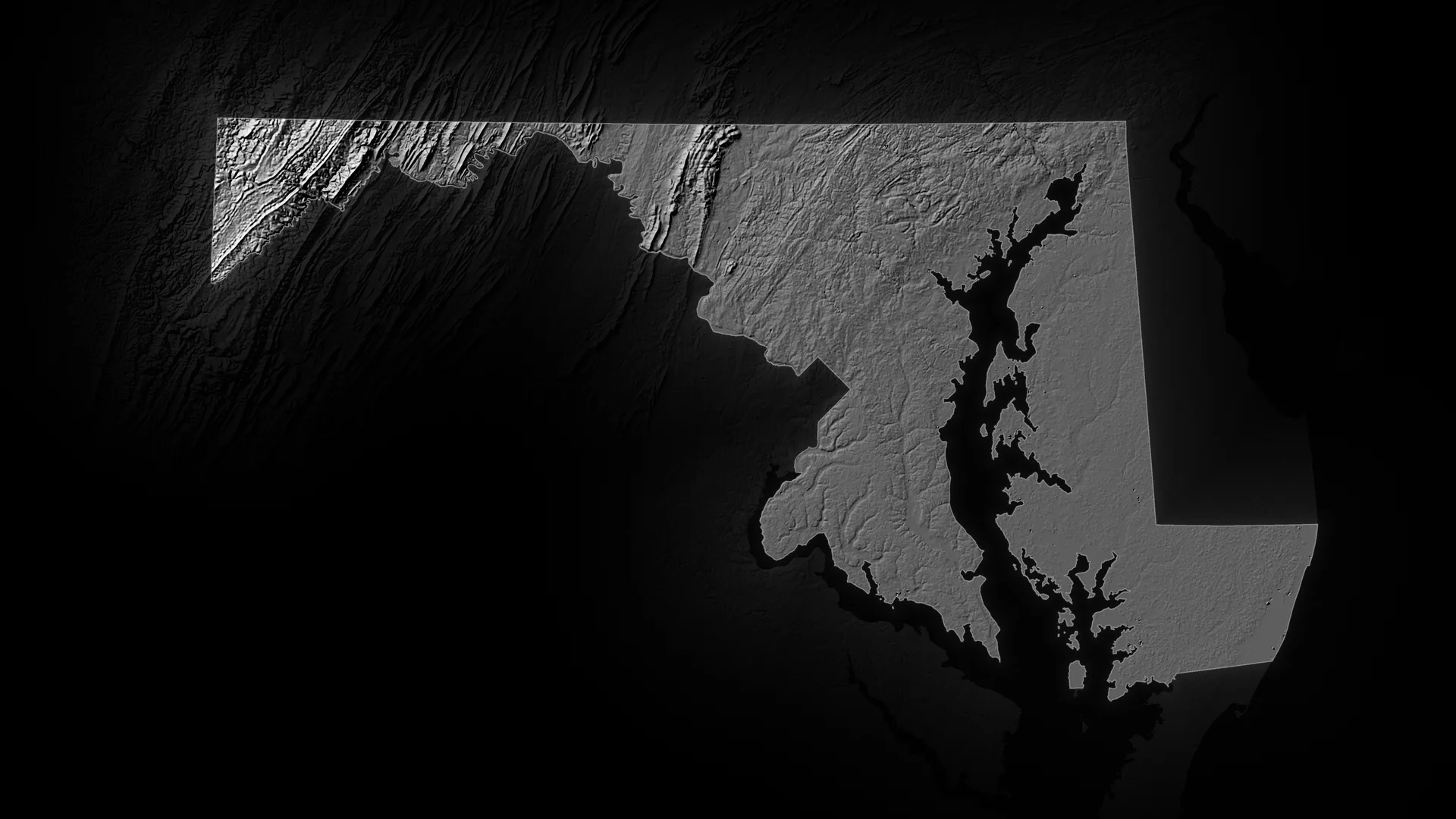
Maryland isn't one furnace climate. Homes in the northern counties need about 9% more heat over a year than homes in the south, and the gap widens once you look at specific counties.
Garrett County needs about 63% more heat over a year than Somerset County, where the state's heating need is lowest. Garrett also needs heat about 9 months a year, the longest stretch in the state, against about 7 months in Montgomery County. A furnace sized for a Somerset County house would be working a different job in Garrett County.
Winter nights tell a similar story. Garrett County averages 21°F across December, January and February, the coldest in the state. Worcester County averages 30°F, the mildest. A load calculation done for a house in Garrett County has to account for colder, longer winters than one done in Worcester or Somerset.
None of this makes Maryland an extreme cold state by national standards. Homes here need heat for fewer months than in 28 of the other 49 states, and winter nights are milder than in 29 of them. The spread inside the state is still real enough to change what a furnace needs to do depending on where the house sits.
Winter storms add another variable. Heavy snow, ice and blizzards affected Maryland 370 times between 2015 and 2024, and a furnace that's already sized correctly has less trouble keeping up when weather like that settles in for a few days.
What does a furnace in Maryland face?
How cold do winter nights get?
27°Faverage overnight low where people live
North Dakota4°F
Hawaii65°F
How many months does the heat run?
7 monthsof heating a year
Hawaii0 months
Alaska12 months
What does natural gas cost?
$15.55per million Btu, what homes paid in 2024
Montana$7.77
Hawaii$53.25
How often do storms hit?
293severe weather events per county from 2015 to 2024
Alaska5
Wyoming1,057
How many homes lost power for a day or more?
11%of homes in 2024
Arizona7%
Maine54%
What the AFUE number actually tells you
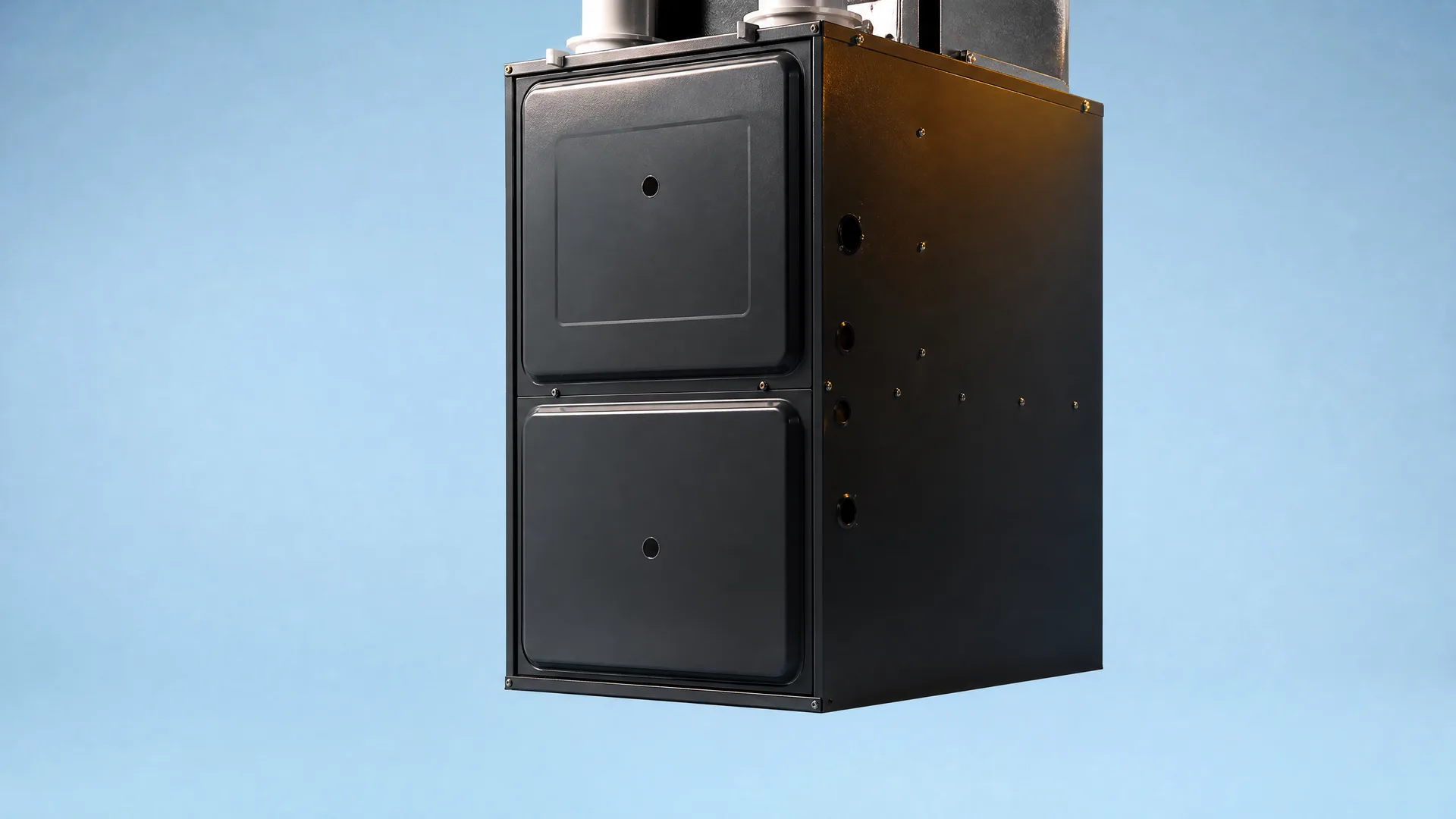
The AFUE (annual fuel utilization efficiency, the share of the fuel a furnace turns into heat) number on the label tells you how much of the fuel it burns turns into heat for the house, and how much goes out the flue. A furnace rated higher wastes less fuel doing the same job. How that rating plays out depends on how the furnace is built. A single stage furnace runs at one output, full blast, until the thermostat is satisfied, then shuts off completely. A furnace built to run at a lower output for longer stretches keeps temperatures steadier room to room and cuts down on the on off cycling that wears on the ignitor and the blower motor. The number on the label is a tested rating, not a promise about every house. A furnace sized wrong for the space, or hooked up to ductwork that leaks or restricts airflow, won't deliver what the label says no matter how high the rating is. The rating is also only part of what it costs to run. A furnace rated higher generally costs more to buy, and whether that difference is worth it depends on how much of the year the furnace is actually working.
What happens on install day
Installation day starts with the old furnace coming out, along with the flue pipe and any ductwork connections that don't fit the new unit. The gas line gets connected or capped. On a forced air system the ducts get reconnected to the new plenum. Electrical hookups come next, power to the furnace itself, and the low voltage wiring that runs the thermostat. Once it's in place and connected, a contractor checks the gas pressure, fires it up, and watches the flame to make sure it's burning clean and steady. The ductwork gets checked too, for airflow at the registers and any leaks at the joints near the unit. Before anyone leaves, the system gets run through a full cycle, heating up and shutting off on its own, with the vent pipe checked to make sure exhaust is actually leaving the house instead of backing up. A new furnace still has to vent correctly through the existing chimney or sidewall pipe, so that gets checked along with it. The old unit and any removed ductwork get hauled off. The last step is usually going over the thermostat settings and answering whatever questions come up about how the new system runs compared to the old one.
Gas is already the common setup here
Gas and electric heat are almost tied here, 43.1% against 44.1%, and fuel oil accounts for another 6.6%. A furnace only makes sense where gas is already running to the house. If that's the setup already in place, replacing it with another furnace is the straightforward choice, no new gas line, no new venting path to figure out. The work is swapping one unit for another that fits the same job.
A furnace sized right for your Maryland home costs less to run every month you heat it.
Tell us about the job
Takes about a minute. No obligation.
Fill out the form and licensed furnace contractors in Maryland send you their quotes.