Electricity runs $52.34 per million Btu here
Maryland's electricity cost averaged $52.34 per million Btu in 2024. If the new furnace is electric, or the home runs an electric furnace alongside gas heat, that rate applies to every hour it runs.
Takes about a minute. No obligation.
Maryland's electricity cost averaged $52.34 per million Btu in 2024. If the new furnace is electric, or the home runs an electric furnace alongside gas heat, that rate applies to every hour it runs.
Two furnaces can heat the same house and use different amounts of fuel to do it. At Maryland's electricity rate, that difference in efficiency shows up on the bill every month the furnace runs, not just in the first year.
NOAA nClimDiv, 1991–2020 normals
The old furnace does not get left in place once the new one is set.
Removing it fully clears the way for the new unit's venting and gas line to be run correctly.




A standard-sized furnace, properly matched to the house, handles Elkton winters without trouble. Nothing about this county pushes a system harder than the next one over. Seven months of heat a year is a long stretch, and overnight lows averaging 27°F through December, January and February mean the furnace is doing real work on those nights. But that calls for sizing the unit correctly, not oversizing it or reaching for a higher-end model than the house needs. A furnace sized to the home's heat loss will cycle properly and heat evenly through those cold nights. Bigger or pricier doesn't buy anything extra here.
A standard furnace installed correctly is the whole job here. Cecil County's weather doesn't single out heating equipment, so there's no case for oversizing or upgrading past what the house needs. Getting the size right now is what makes the install worth doing.
Find a contractorWhat a furnace costs to put in comes down to more than the unit itself. The furnace is one line on the invoice. Labor to set it, vent it and run the gas or electric connections correctly is another line. A straight swap, same fuel type, same spot, same ductwork, is the simplest version of this job. Change any one of those and the job grows. A flue that won't match the new furnace needs new venting. A duct system sized for the old unit needs modification if the new one moves a different volume of air. A furnace with different power needs means electrical work. The burner stage matters too. A unit that modulates its flame has more parts and more control logic than one that fires at a single rate, and that shows up in the price. None of this is wasted money when the house actually needs it. It only becomes wasted money when it gets added to a system that didn't call for it.
A contractor should size the furnace to a heat loss calculation for the house, not to the furnace that's already there. If nobody mentions this number, ask for it. A quote built off the old unit's size just repeats whatever mistake or lucky guess was made years ago.
A furnace moving to a new fuel type or a different efficiency rating often needs different venting than what's already run through the house. PVC pipe and metal flue pipe aren't interchangeable, and a venting change affects where the furnace can even go. Get this settled before comparing prices, not after.
That rating on the label is the AFUE number, and it tells you how much of the fuel burned actually turns into heat in the house versus what goes out the flue. A furnace with a higher AFUE wastes less fuel doing the same job. That's the whole idea behind it. It doesn't tell you how fast the house heats up or how warm it feels, and a high rating on a furnace that's the wrong size for the house won't fix uneven heat or short cycling. The rating also isn't a measure of build quality. A lower-rated furnace and a higher-rated one can be built equally well and last the same number of years. What the AFUE number buys is lower fuel use for as long as the furnace runs, nothing about comfort and nothing about lifespan.
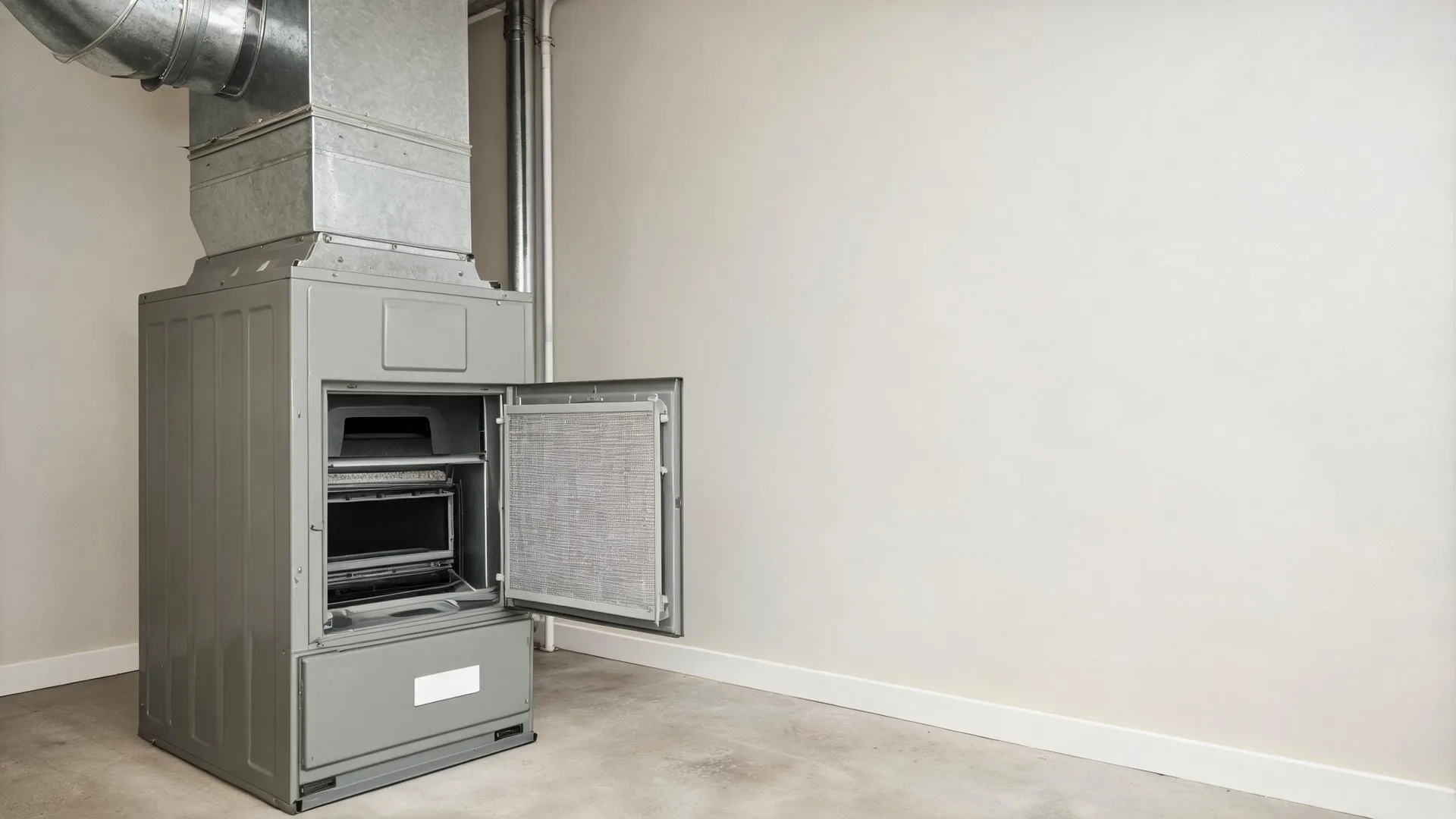
Installation day starts with the old furnace coming out, not the new one going in. The space gets cleared, the gas line and venting get inspected, and the ductwork connections get checked against what the new unit actually needs. Setting the furnace itself is usually the fastest part. Most of the day goes to running or modifying venting, connecting gas or electrical, and sealing the duct connections so air isn't leaking out before it reaches the rooms. Once it's set, the contractor fires it up, checks the gas pressure, confirms the flue is drafting properly, and reads the temperature rise across the furnace to make sure it matches what the manufacturer specifies for that model. A furnace that passes those checks on day one is a furnace that's been installed correctly, not just installed.