Electricity here runs $52.34 per million Btu
Maryland households pay more for electricity than most of the country. If your furnace runs on electricity, or a heat pump handles part of the load, that rate applies to every hour it runs this winter.
Takes about a minute. No obligation.
Maryland households pay more for electricity than most of the country. If your furnace runs on electricity, or a heat pump handles part of the load, that rate applies to every hour it runs this winter.
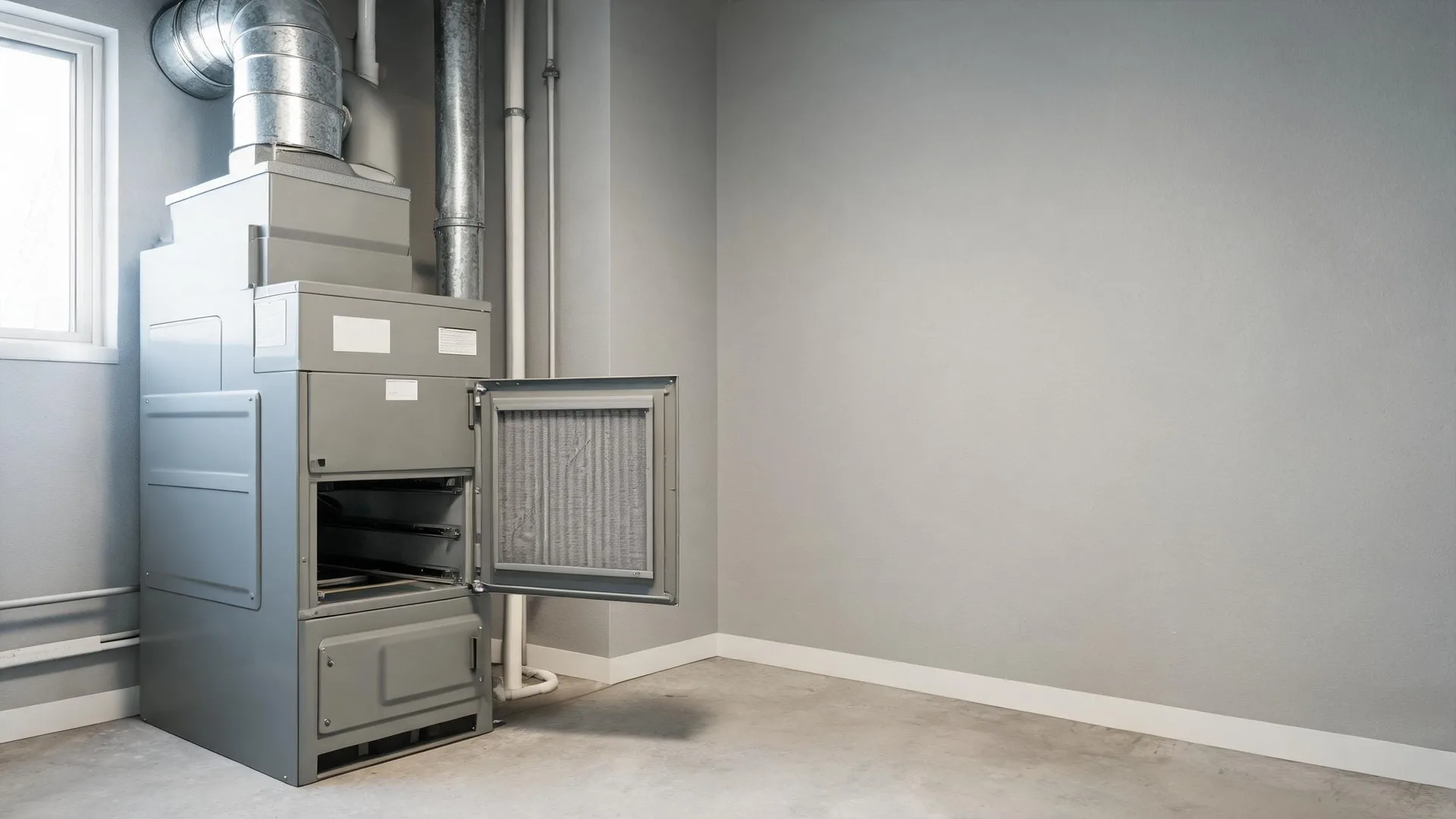
Two furnaces can heat the same house and burn different amounts of fuel doing it. Some of that fuel turns into heat, some goes out the vent. At Maryland's rates, that difference is worth asking about before you pick a model.
NOAA nClimDiv, 1991–2020 normals
Furnaces come in standard sizes built for winters like this one.
Kent County doesn't call for an oversized unit or a special-order model, just the right fit for the house.




Kent County falls in climate zone 4A, which asks real work of both heating and cooling. Any furnace sold here has to meet the federal efficiency floor for this type, 80 percent AFUE, meaning at least 80 cents of every fuel dollar becomes heat in the house rather than going out the vent. That floor is set to rise to 95 percent AFUE for furnaces manufactured after a cutoff a few years out, so a furnace bought today is built to the rule in place now, not the one coming later. Ask what AFUE the model you're looking at carries, and how far above that 80 percent minimum it sits.
Most homes in Kent County heat with electricity, 62.3 percent, more than gas and oil put together. If your house already runs on electricity, a new furnace built for that is the straightforward path, matched to what's already in the walls.
Find a contractorThe AFUE number on the label is a measure of waste, not heat output. It tells you what share of the fuel burned turns into warm air in the house versus what goes straight out the vent as exhaust. A furnace runs on that same ratio every time it fires, whether it's the first cold morning or the last one. Over a full season the gap between a furnace near the efficiency floor and one well above it shows up as fuel burned for no reason, month after month. That gap doesn't change with age or wear in a straightforward way, it's built into the unit from the day it's installed.
A furnace with a single-speed blower runs at full output every cycle, then shuts off. One with a variable-speed blower can run longer at lower output, holding the house at a steadier temperature instead of swinging between a cold room and a blast of hot air. That's a different piece of equipment from the one that just sets AFUE, worth asking about on its own.
Every furnace comes with a parts warranty, but the length and what it covers varies by manufacturer and sometimes by model. Some cover the heat exchanger for as long as you own the house and the rest of the parts for a shorter stretch. Ask what's covered, for how long, and whether labor is included or just the part itself.
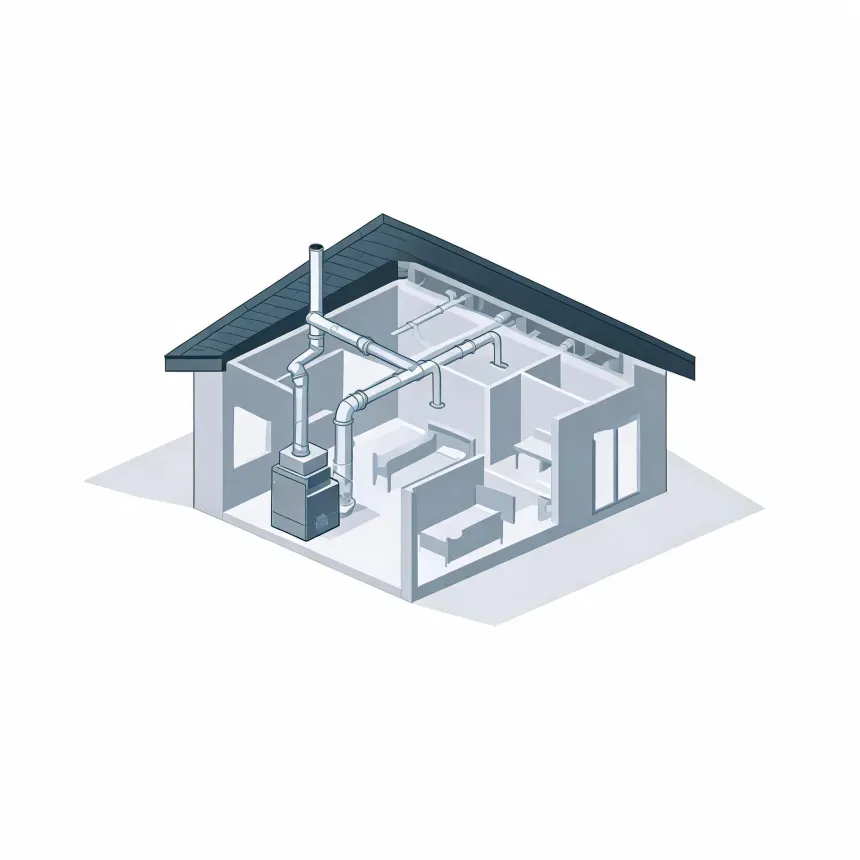
Pulling the old furnace is usually the easy part. A tech shuts off the gas or power, disconnects the vent or flue, and disconnects the ducts from the plenum. If it's a gas furnace, the old vent pipe often gets capped or removed entirely, since a new high-efficiency model vents differently, through PVC pipe out a sidewall instead of up a chimney. That one change is why a straight swap isn't always possible without some extra work at the vent. The old unit itself gets hauled off for scrap, the metal in it has some recycling value, which is usually factored into the job rather than billed separately. None of this touches your ductwork, that stays as it is unless something about it needs to change to match the new furnace.
Once the old furnace is out, setting the new one is mostly a matter of connecting what's already there. The unit gets leveled on its stand or in its closet, then the supply and return ducts get sealed to the plenum. Gas line gets reconnected and checked for leaks before anything fires. Electrical goes next, the furnace needs power for the blower and controls even if it burns gas for heat. If it's a high-efficiency model, the PVC intake and exhaust pipes get run to a sidewall and sloped correctly so condensation drains out instead of pooling in the unit. Once it's buttoned up, the tech fires it, checks the flame or heat strips, and lets it run a full cycle to see that it reaches temperature and shuts off the way it should.