An unfinished basement containing a metal furnace with ductwork, exposed wooden joists on the ceiling, cardboard boxes, a coiled cable, and a single hanging incandescent bulb.

Furnace Installation in Chesapeake Beach, MD

Tell us about the job

Takes about a minute. No obligation.

New system or replacementFurnace or heatingCalvert County, MD
Step 1 of 2

What ZIP code is the job in?

The rating measures how much heat you keep

A furnace's efficiency rating tells you how much of the fuel it burns turns into heat for the house, versus how much goes out the flue. A higher rated furnace pulls more heat out of the same flame before letting the exhaust go.

A higher rating changes what the install needs

The more efficient furnaces condense the exhaust and need a drain line for the condensate plus venting that can handle cooler, wetter exhaust, usually run in plastic pipe instead of metal. That changes where the furnace can sit and what the installer has to run to get it there.

7 months
October through April, your furnace is on duty
29°F
the average winter night it heats against
80% AFUE
the federal minimum any new unit must meet
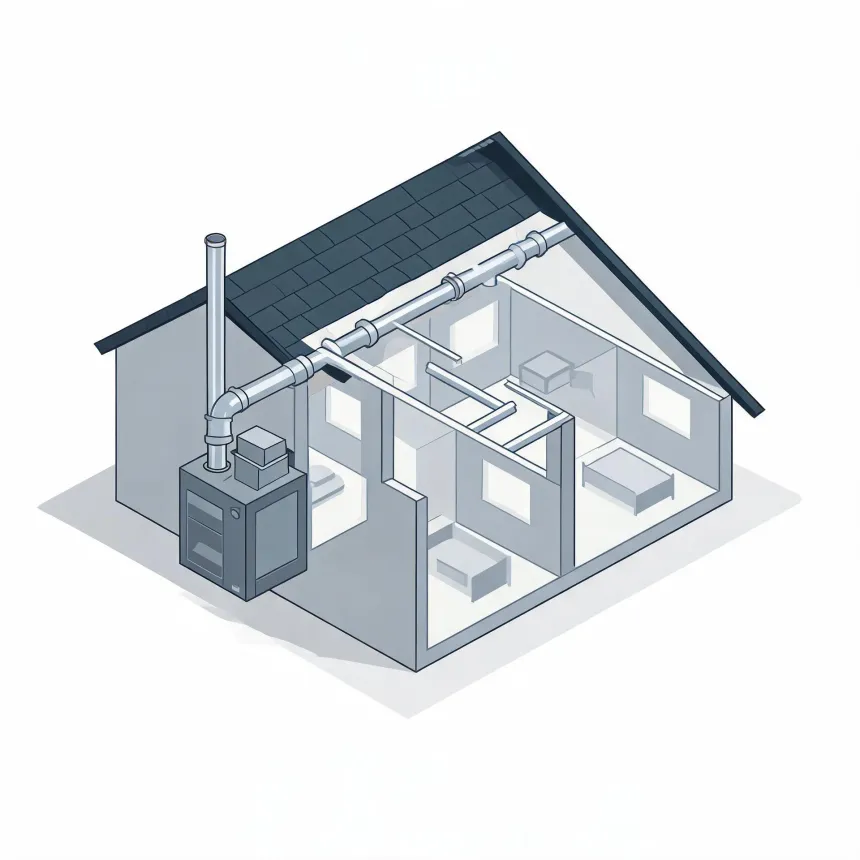
Isometric cutaway illustration of a small house showing interior rooms, ductwork running through the attic, and a furnace unit with a vertical flue pipe on the exterior wall.
Your furnace works hardest from November through March.

NOAA nClimDiv, 1991–2020 normals

Most homes in Calvert County heat with electricity, not gas.

A furnace installation here is more likely to mean an electric furnace or heat pump than a gas-fired one.

A long cold season, nothing that calls for more than standard equipment

Heat runs October through April
Winter nights average 29°F
12 winter storms from 2015 to 2024
Get it installed before OctoberHeat runs October through April here, about seven months a year.

An electric furnace here runs on power priced at $52.34 per million Btu, so the rating on the unit matters as much as the price tag on the install. Two furnaces that cost the same to buy can still cost noticeably different amounts to run every month, because the less efficient one pulls more of that expensive power to make the same heat. When you're comparing quotes, ask each installer for the efficiency rating of what they're proposing, not just the size and the price. That rating is what decides how much of your power bill goes into heat for the house and how much just gets wasted.

Electricity here costs more, so efficiency matters

Electricity in Maryland runs $52.34 per million Btu, and most homes here heat with it instead of gas. A more efficient furnace pulls less of that expensive power for the same heat, and that difference shows up on every bill it runs.

Find a contractor
A man in a dark shirt and tan work pants, seen from behind, climbs stone steps toward a navy front door while carrying a waxed canvas tool tote, with a potted lavender plant beside the entry.
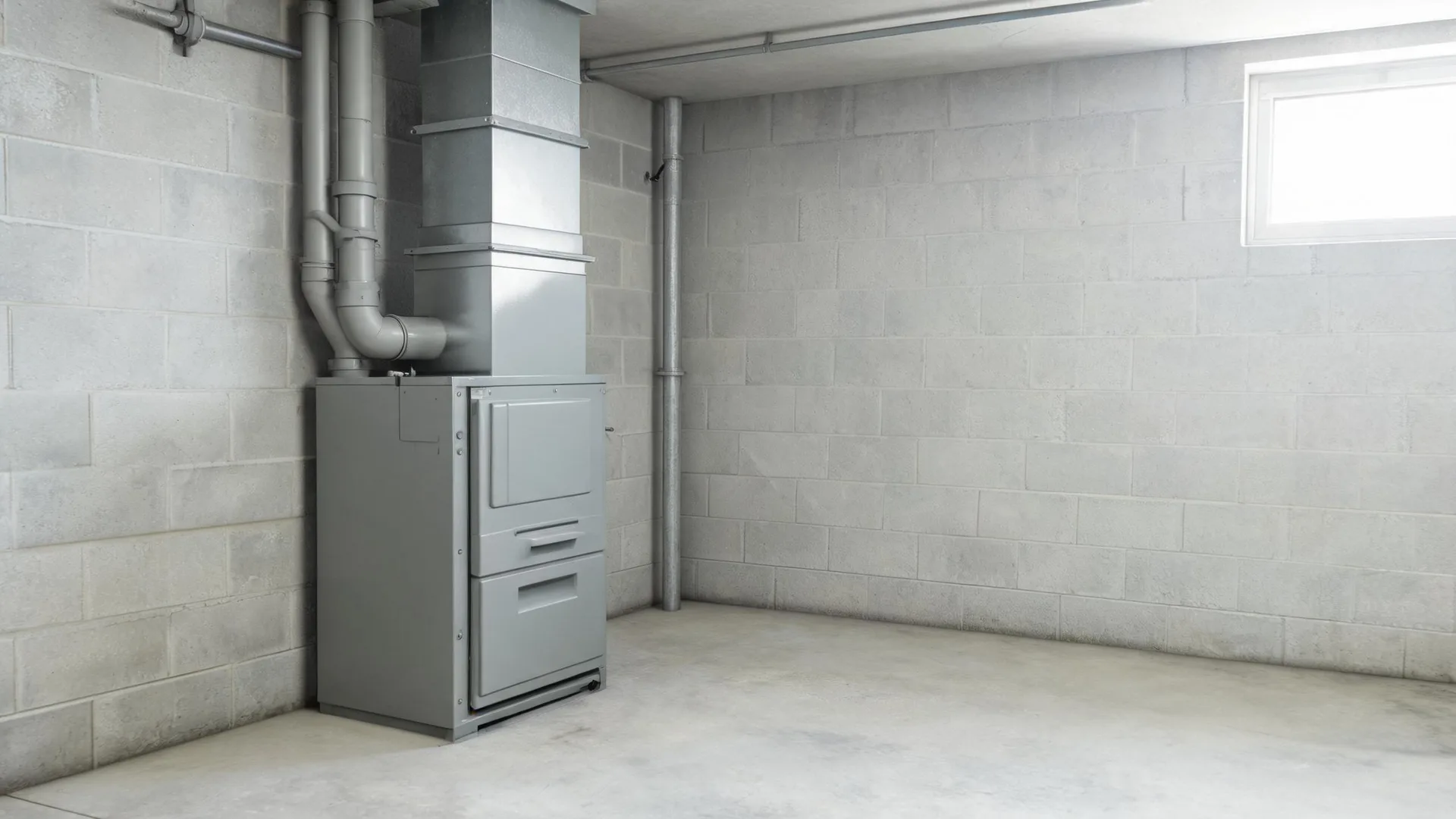
A gray gas furnace with attached ductwork and piping installed in an unfinished concrete basement.

What the furnace needs to run well, year after year

The size of the furnace matters more than anything else in what the install takes. A furnace sized to the house heats evenly and runs long, steady cycles. One sized off a rule of thumb, or just matched to the unit it replaces, can end up too big, and an oversized furnace short cycles, turning on and off instead of running a long steady stretch. That wears the ignition system faster and leaves the house with cold spots and warm spots instead of even heat. Getting the size right means the installer works out the heat loss of the house itself, not just the size of the old equipment. Beyond the furnace, what drives the work is what has to change around it. A straight swap, same fuel, same venting, same spot in the house, is the simplest job there is. Switching fuel types, moving the furnace to a new location, or stepping up to a higher efficiency model means new venting, new ductwork, sometimes a new gas line or a condensate drain where none existed. Every one of those is work beyond the furnace itself, and it's work that shows up in what the installation takes to finish.

The size comes from the house, not the old furnace

A furnace is sized by working out how much heat the house loses through its walls, windows, ceiling and air leaks, room by room. That calculation, not the rating on the equipment being replaced, is what tells the installer what size to put in. Houses with the same floor plan can still need different sized furnaces if one has more windows or less insulation than the other.

Wrong either way fails differently

Too small and the furnace runs flat out on the coldest nights and still can't keep the house at temperature. Too big and it heats the house fast, shuts off, then starts again a few minutes later instead of running one long steady stretch. That short cycling wears on the ignition system and the blower motor, and it leaves some rooms warm and others cold because the air never runs long enough to even out.

When you're comparing quotes, ask each installer what size furnace they're putting in and how they got that number. A load calculation looks at the house itself, the windows, the insulation, the square footage, room by room. If someone quotes a size based on the furnace you have now, that's not the same thing, and it's worth asking why. Ask what venting the new furnace needs and whether your current vent can be reused, because that changes what the job involves before anyone touches the ductwork. Ask what happens to the ductwork too. A furnace moves the air a house needs through the same ducts that were sized for the old one, and if the new furnace moves more air or less, the ducts matter as much as the furnace does. Ask what's covered if something's wrong after the install, and for how long. The furnace is only part of what you're paying for.

Installation starts with the old furnace coming out, along with whatever venting and ductwork won't carry over to the new one. The installer runs new gas or electric lines where the job calls for them, sets the furnace in place, and connects the ducts, the venting, and the thermostat wiring. Every joint in the ductwork gets sealed so the air the furnace pushes actually reaches the rooms instead of leaking into the attic or basement along the way. Once it's hooked up, the installer fires the furnace and checks the temperature rise across it, the gas pressure or electrical draw, and the airflow at the vents, because a furnace that's wired and piped correctly can still run wrong if the airflow isn't set right. Only after all of that gets checked and adjusted is the job actually finished, not just when the furnace turns on.