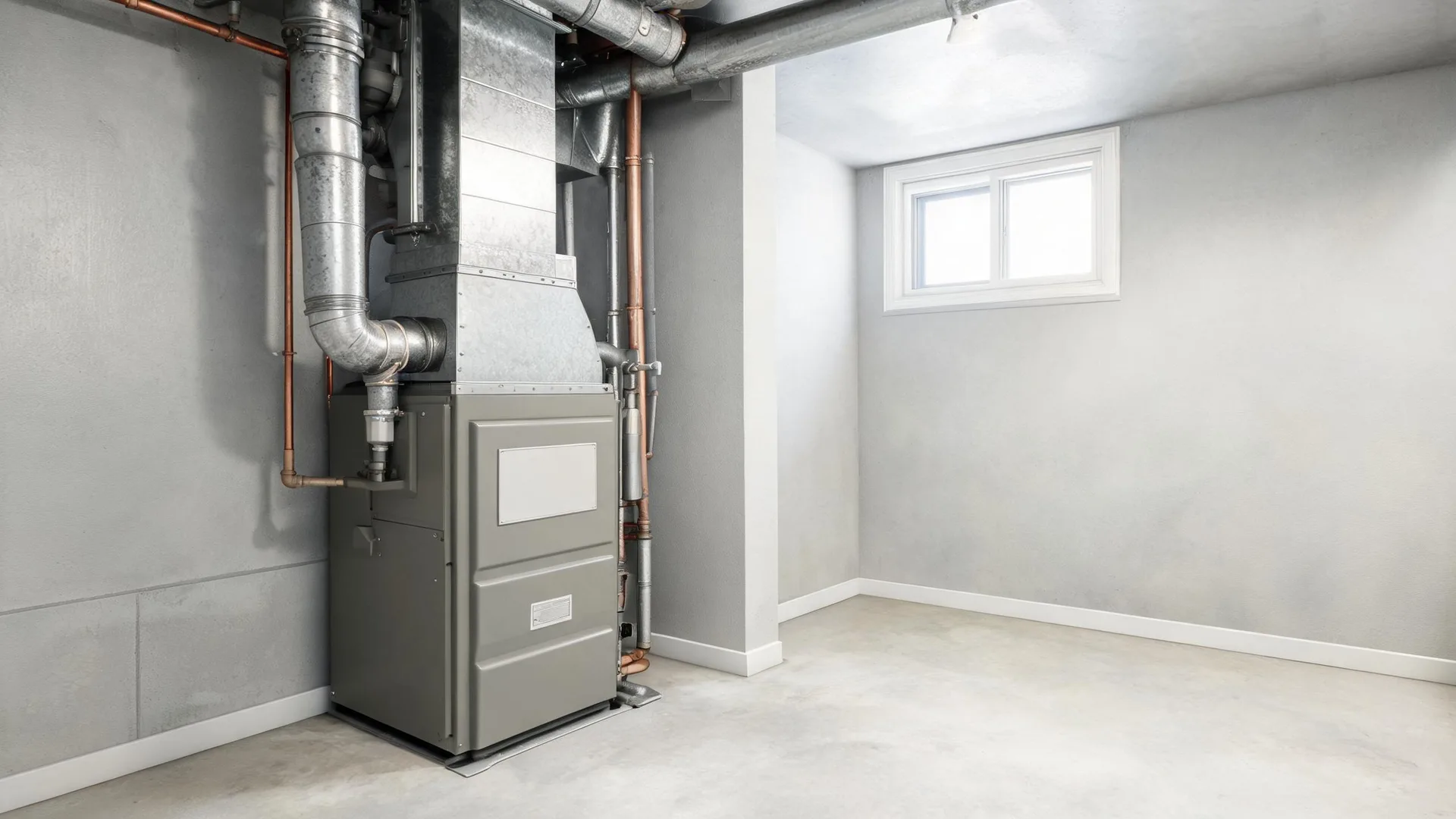
Electricity here runs $52.34 per million Btu
Maryland households paid $52.34 per million Btu of electricity in 2024. A furnace that wastes less of that power shows up on the bill every month it runs.
Takes about a minute. No obligation.
Maryland households paid $52.34 per million Btu of electricity in 2024. A furnace that wastes less of that power shows up on the bill every month it runs.
Two furnaces can heat the same house and burn different amounts of fuel to do it. In a state with power this expensive, that difference is worth asking about before you pick one.
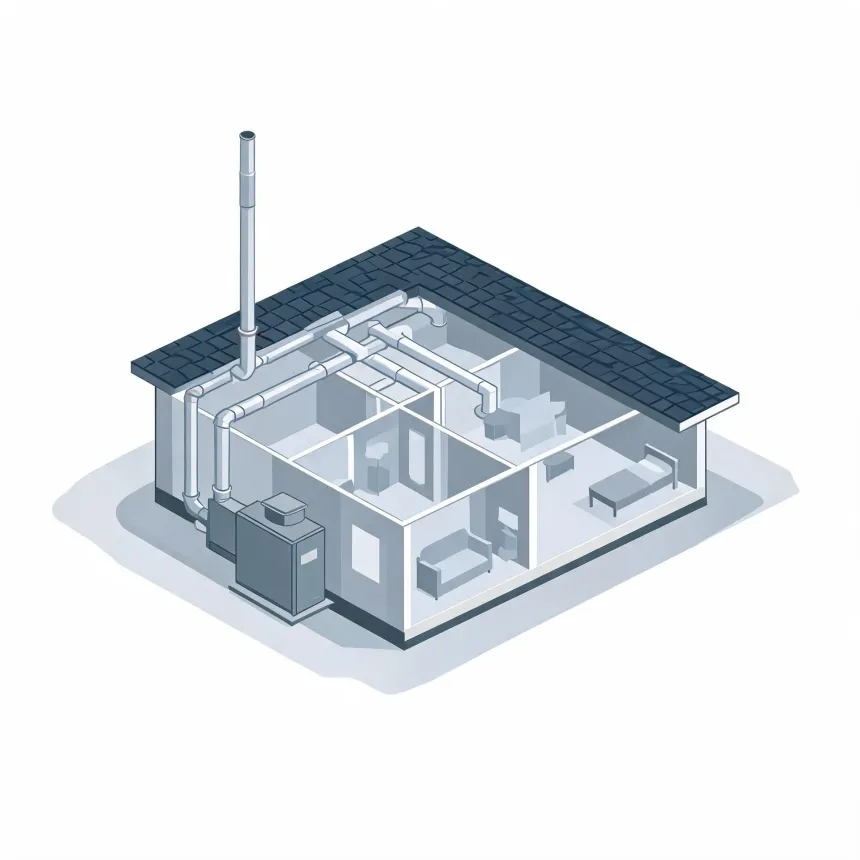
NOAA nClimDiv, 1991–2020 normals
Most homes in Worcester County heat with electricity, at 63.7 percent.
An electric furnace is the straightforward replacement for most houses here.




Size is the first thing that sets the price. A contractor works out the heat loss for the house and picks a furnace to match it. Go bigger than that and the furnace cycles on and off instead of running a steady stretch, which wears parts faster and still leaves rooms uneven. The ductwork gets looked at too. If it's undersized or leaky, it has to be corrected before the new furnace can move enough air through it, and that work gets added to the job. The furnace itself costs more or less depending on how it controls its flame and blower. A single-stage furnace just runs full on or off. A variable-speed one adjusts itself to what the house needs at that moment, and that control costs more to build in. Venting is its own piece of the job. A high-efficiency furnace vents through plastic pipe, while a standard one can often use the existing metal flue, and swapping from one type to the other means running new venting.
Power costs more here, so an efficient system pays you back on every bill.
Find a contractorThe rating on the label tells you how much of the fuel a furnace burns actually turns into heat in the house, and how much goes out the vent unused. A furnace with a higher rating wastes less every single cycle it runs. That rating does not change with age by itself, but a furnace that was never serviced can drift below the number on its label. A dirty flame sensor, a clogged filter, a blower wheel caked with dust, all of them make the furnace work harder to push out the same heat, and that shows up as wasted fuel even though the label never changed. Cycle length matters too. A furnace that is sized right for the house runs a long steady stretch and holds that efficiency. One that is oversized blasts on, shuts off, and starts again before the house really needs it, and short cycling burns more fuel per degree of heat delivered than the rating promises. The rating is what the furnace is capable of under good conditions, not a guarantee it holds onto for the life of the unit.
Pulling the old furnace is its own step, not an afterthought. The gas line gets capped or the electrical disconnected, and the old flue or vent pipe comes down with it if the new furnace vents differently. None of that is optional work. It has to happen before the new unit goes in, and it's part of what a contractor walks through when they quote the job.
A furnace is mostly steel, and a licensed contractor hauls the old one away as part of the install rather than leaving it for the homeowner to deal with. If the old system used a different fuel or venting method than the new one, whatever served that old setup, the gas line, the flue, comes out or gets properly capped at the same time.
A contractor sizes a furnace by working out how much heat the house actually loses, not by matching the old unit or rounding up for safety. That means checking the walls, the windows, the ceiling, how much of each surface the house has and what it's made of. Bigger than that number doesn't mean more comfort. An oversized furnace reaches the thermostat's setting fast, shuts off, and leaves the air to go cold again before it kicks back on, so the room never really holds a steady temperature. Too small and it runs constantly and still can't keep up on the coldest days. The right size is the one that matches the house closely enough to run long, steady stretches and shut off because the house is warm, not because a timer or a limit switch told it to.
Install day starts with the house empty of heat for a few hours, so anyone home should expect that gap. The old furnace comes out first, then the new one gets set in place, leveled, and connected to the ductwork, the gas line or electrical, and the vent. Each connection gets tested before the next one starts, not all at once at the end. Once it's running, a contractor checks the gas pressure or amp draw, confirms the blower speed matches the ductwork, and lets the system run a full cycle to see that it shuts off on its own when the house reaches temperature. That last check matters more than it sounds like. A furnace that cycles correctly on day one keeps doing it for years. One that's rushed through that check can short cycle or run long from the start, and that shows up as an uneven house and a parts failure well before its time.