




A white picket fence runs along a grass lawn in front of a row of similar gabled houses with siding, beneath overhanging leafy tree branches.

Furnace Installation in Gaithersburg, MD

Tell us about the job

Takes about a minute. No obligation.

New system or replacementFurnace or heatingMontgomery County, MD
Step 1 of 2

What ZIP code is the job in?

Gas heats a little over half the homes in Montgomery County, 53.1 percent. Electricity covers most of the rest at 41.2 percent, with oil and propane making up a small share between them. If your old furnace ran on gas, putting in another gas furnace is usually the straightforward choice. The gas line and the vent are already there, sized for this kind of system. That's one less thing to sort out before installation day.

7 months
October through April, your furnace is on duty
27°F
the average winter night it heats against
53%
of homes here heat with gas, so most furnaces here burn gas
80% AFUE
the federal minimum any new unit must meet
Isometric line illustration of a cutaway building interior showing a furnace unit with a flue pipe and ductwork running along the ceiling, plus adjacent rooms with simplified furniture.
Your furnace works hardest from November through March.

NOAA nClimDiv, 1991–2020 normals

Furnaces in Gaithersburg start running in October.

Get a new one installed in September, so it's not a cold morning when you find out the old one quit.

Gas is cheap enough here that payback speed shouldn't decide which furnace you buy

Heat runs October through April
Winter nights average 27°F
23 winter storms from 2015 to 2024

A furnace here runs about seven months a year, October through April, with overnight lows averaging 27°F in January. That's a normal winter workload, not a strain, and a standard size and efficiency rating handle it fine. The one thing that matters is getting the size right for your house rather than bumping up a size for a cold snap that might not come. Montgomery County gets its share of winter storms, snow and ice mainly, and a furnace sized correctly keeps up through those same as any other week. There's no case here for oversizing or paying for a higher-end unit than the house needs.

Replace it before the season

Replace it before the season starts, so it happens on your schedule, not in a hurry.

Find a contractor
A man in a cap, navy long-sleeve shirt and tan work pants carries a canvas tool bag up steps toward a dark front door, with a potted shrub beside the porch.
A gray residential gas furnace installed in an unfinished basement, surrounded by ductwork, a metal flue pipe, and a gas supply line.

The old furnace doesn't just get left behind

Whoever installs the new furnace will need to deal with the one you're replacing. A gas furnace gets disconnected from the gas line and the vent, then hauled out, usually in pieces if the basement or closet it sits in is tight. If it's a heat pump or electric furnace swap, the old electrical connections get capped or reused. Most of the cabinet is sheet metal, and the heat exchanger and blower motor inside it are scrap metal too, so a lot of what comes out gets recycled rather than landfilled. Ask upfront whether the old unit gets hauled away as part of the job or left for you to deal with. That's a detail worth settling before installation day, not after the new furnace is already running.

AFUE tells you what the furnace wastes, not what it makes

The rating on the label is how much of the gas it burns turns into heat in your house versus what goes out the vent. A higher number means less waste, nothing about how warm the house gets or how fast. A furnace with a lower rating and the right size will still heat the house fine, it just sends a little more out the flue to do it.

The rating only pays off through the parts behind it

A higher AFUE furnace gets there with a second heat exchanger that pulls more heat out of the exhaust before it leaves, and a different vent to match since that exhaust runs cooler. That's a different installation, not just a different sticker on the same box. Worth knowing going in, since it changes what the installer has to run and where.

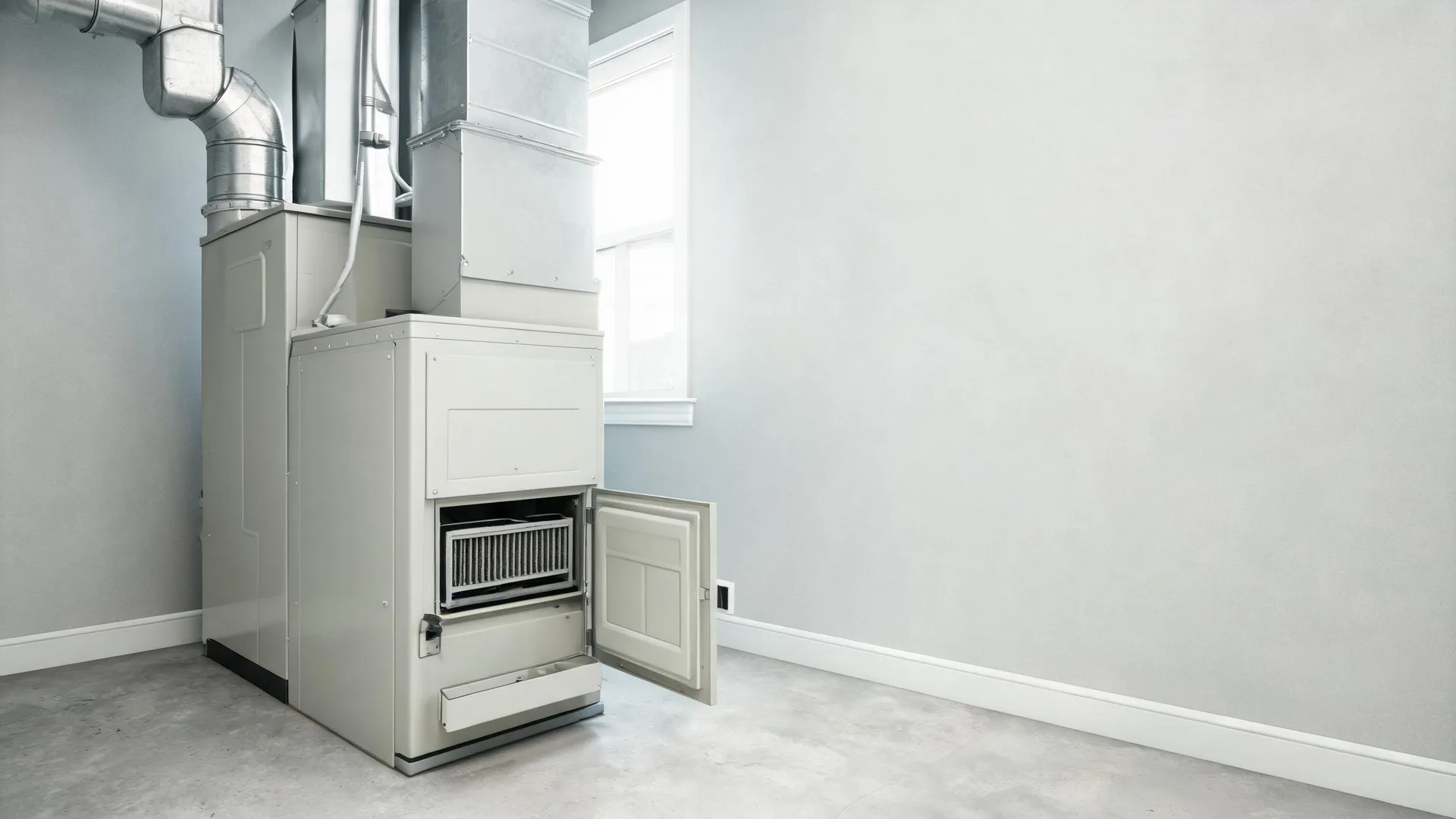
A gas furnace and sheet-metal air handler unit installed in an unfinished concrete basement.

A high-efficiency gas furnace would save about $110 a year to run in Montgomery County compared with a gas furnace.

  • A high-efficiency gas furnace$570 a year
  • A gas furnace$680 a year

Estimates for a typical Montgomery County home, from EIA household energy data, Maryland fuel prices and NOAA climate normals. Your home will differ.

Installation day starts with the old furnace still running, or not, and ends with the new one tested and the area cleaned up. Expect a few hours, not one. The crew shuts off gas and power first, then disconnects the vent and ductwork before the old unit comes out. Once the space is clear, they look over the ductwork and gas line to see if anything needs adjusting, since the new furnace won't always match the old one's size and connections. The new unit goes in, gets hooked to gas, power, the vent and the ducts, then goes through a startup check. They'll check gas pressure, watch the flame, check for exhaust leaks, make sure air is moving through the ducts the way it should. Before they leave, they'll walk you through the thermostat and show you where the filter goes. Nobody leaves a new furnace running unattended until it's confirmed safe and working.