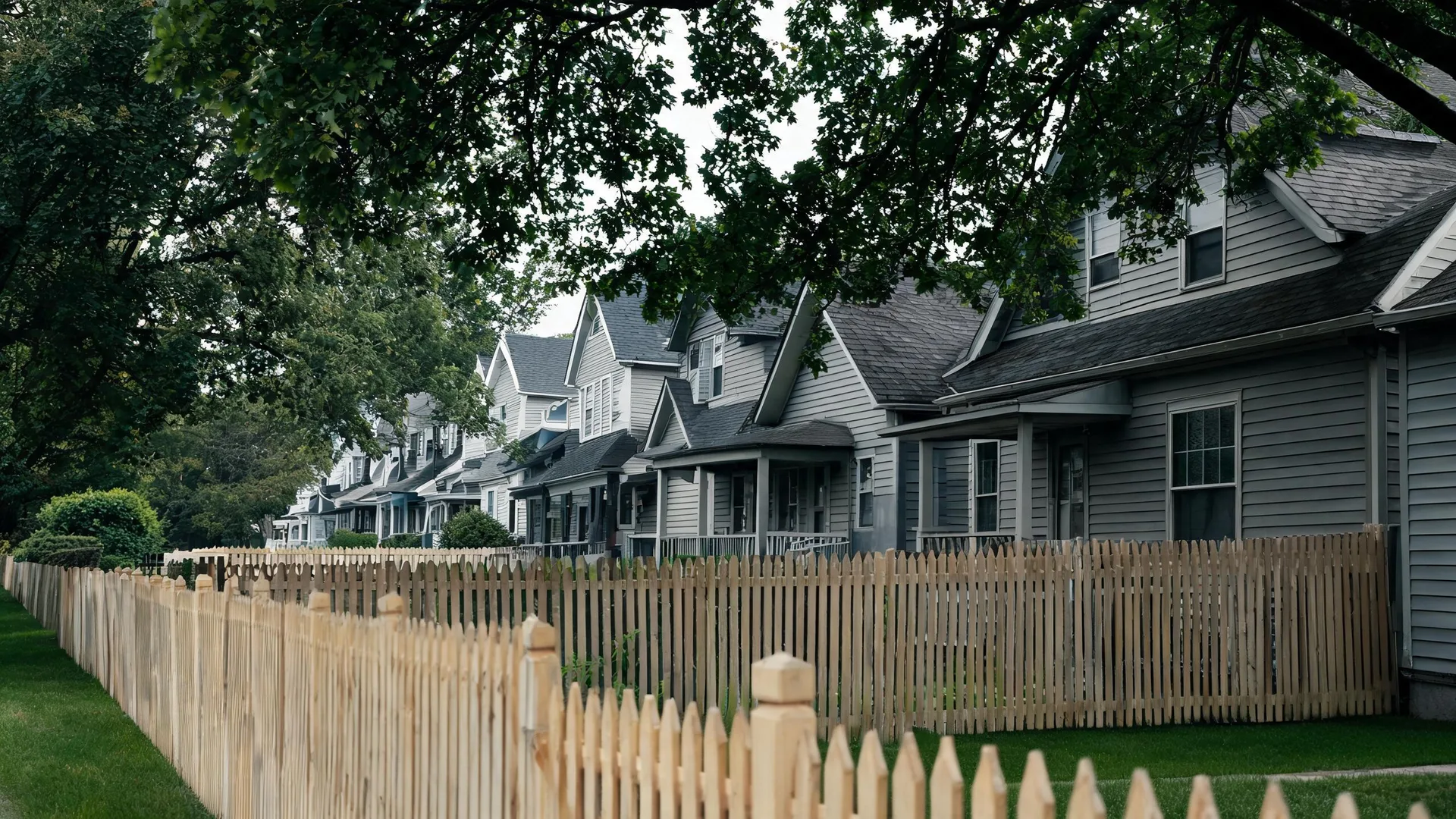
A row of gray-sided two-story houses with porches behind a new light wooden picket fence, with leafy tree branches overhead and grass in the foreground.

Furnace Installation in Hagerstown, MD

Tell us about the job

Takes about a minute. No obligation.

New system or replacementFurnace or heatingWashington County, MD
Step 1 of 2

What ZIP code is the job in?

Electric heat costs more in Maryland

Maryland homes paid $52.34 per million Btu of electricity in 2024, more than most states pay. If your furnace runs on electric resistance heat or you're weighing a heat pump against gas, that rate hits every kilowatt you use all winter.


Efficiency is what you control

You can't change what the state charges for power. You can choose a furnace that turns more of that energy into heat instead of losing it. A higher AFUE rating matters more here than it would somewhere power is cheap.

7 months
October through April, your furnace is on duty
25°F
the average winter night it heats against
80% AFUE
the federal minimum any new unit must meet
Isometric line illustration of a cutaway single-story house showing interior rooms with furniture, ceiling ductwork, a chimney flue, and a furnace unit outside the exterior wall.
Your furnace works hardest from November through March.

NOAA nClimDiv, 1991–2020 normals

Washington County sees damaging wind and winter storms most years.

A properly sized, standard furnace install holds up fine against that. Nothing here calls for going bigger or paying for more than you need.

September gets your furnace replaced before October needs it

Heat runs October through April
Winter nights average 25°F
21 winter storms from 2015 to 2024

Furnace here runs from October through April, about seven months. Overnight lows average 25°F through December, January and February, so a standard, correctly sized furnace is doing real work on the cold nights, not just taking the edge off. Going bigger doesn't heat the house any faster. It just cycles on and off more and wears out doing it. Washington County has had 21 winter storms in the years on record, and a properly sized unit holds up through those the same as any other cold snap. Size it for the house you have, not for the worst story you've heard.

Efficiency pays here

Power costs more here, so an efficient system pays you back on every bill.

Find a contractor
A man in a dark shirt and tan work pants, seen from behind, climbs stone steps toward a navy front door while carrying a waxed canvas tool tote, with a potted lavender plant beside the entry.
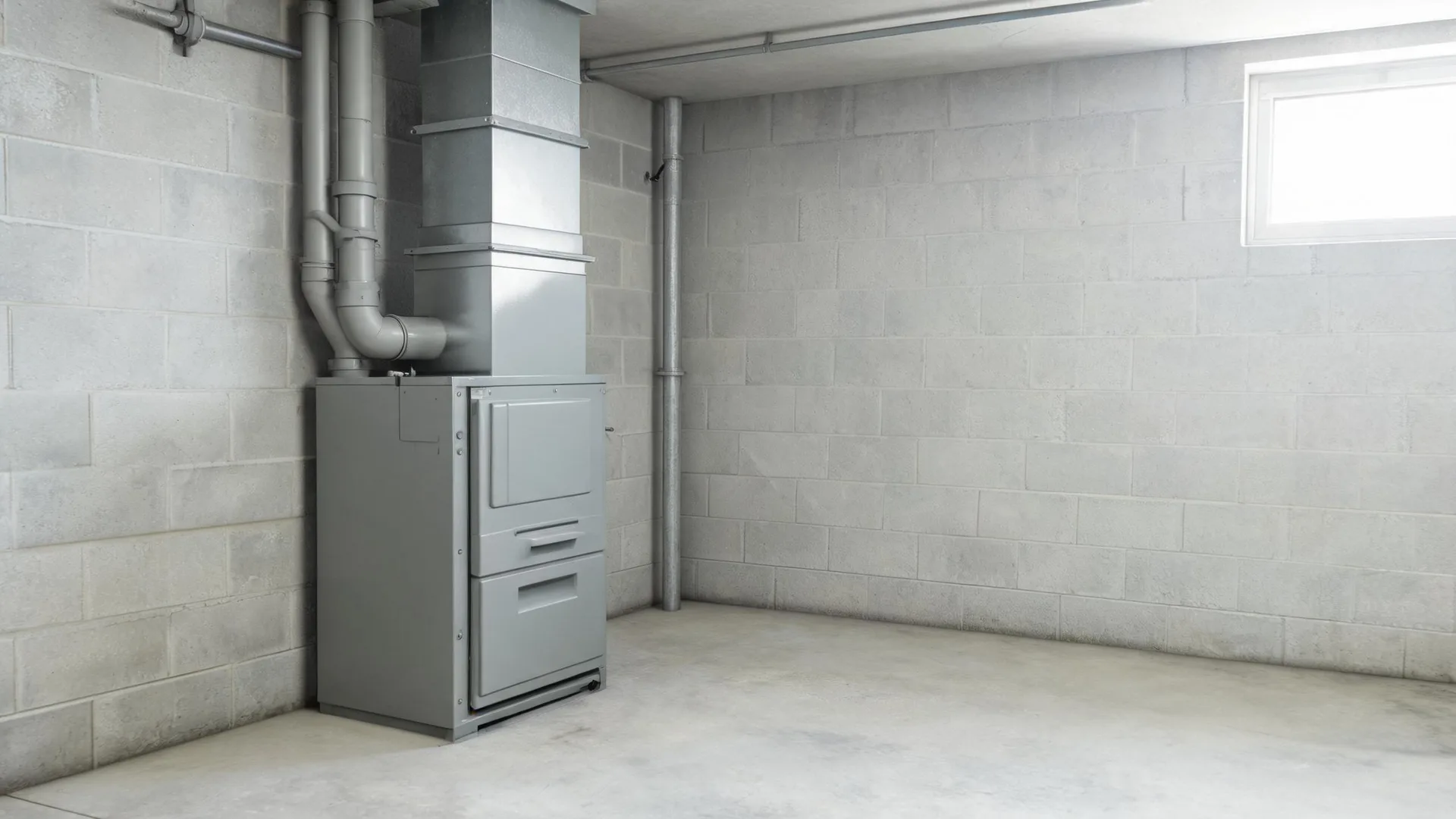
A gray gas furnace with attached ductwork and piping installed in an unfinished concrete basement.

Old house or new, a furnace heats it the same way

Half the homes in Washington County were built in 1974 or earlier, half in 1974 or later. A furnace doesn't know which kind of house it's in. Sized right, it heats an older house and a newer one the same way, running the months it needs to and shutting off when it doesn't. Nothing about this county asks more of it than that.

Ask what size they calculated, not guessed

A contractor should run a load calculation on the house, not size the furnace off the old one or eyeball the square footage. Ask what the number came out to and what they measured to get there. A furnace sized by guesswork either falls short on the coldest nights or short cycles for years.

Ask what happens to the vent and gas line

A new furnace with a different efficiency rating can need a different vent setup than the one coming out, and the gas line has to be rated for what the new unit draws. Ask whether the venting and the gas line were checked against the new furnace, not just reused because they were already there.

The furnace itself is only part of what you're paying for. Installation means sizing the unit to the house, running or adapting the venting, checking the gas line can supply it, setting up the ductwork to move the air that furnace produces, and commissioning the system once it's in. A straightforward swap, same fuel type, same vent path, same ductwork, is the simplest version of this job. Switching fuel types or changing where the furnace sits in the house adds work on top of that. Higher efficiency units often need different venting than older ones, which is labor the furnace's price tag doesn't include. The ductwork matters too. A furnace sized right but feeding undersized or leaky ducts won't heat the house the way it's rated to.

The old furnace comes out first, with the gas and power shut off before anything gets disconnected. Once it's out, the installer can see things that were hidden before, like corrosion on a flue connector or ductwork that was never sealed where it meets the plenum. The new unit gets set in place, leveled, then connected to the venting, the gas line and the ductwork before it's wired in. Each connection gets checked as it's made rather than all at once at the end. Once everything is tied in, the furnace gets fired up and run through its paces. The installer checks the gas pressure, the temperature rise across the heat exchanger and the airflow at the registers, because a furnace sized right can still heat the house unevenly if the ducts aren't moving the air it's built to push. Before the installer leaves, the furnace should be cycling normally and the old equipment should be gone.