
Heat Pump Installation in Maryland
Electricity costs homes more in Maryland than in 37 of the other 49 states.
Tell us about the job
Takes about a minute. No obligation.
- 27°Fwinter overnight low where people live
- 7 monthsof heat, October through April
- 85°Fsummer afternoon high where people live
- 4 monthsof cooling, June through September
Electricity here costs more than in most states and a heat pump runs on it all year
- Southern counties need about 12% more cooling than northern ones
- Winter nights average 27°F where people live
- Summer afternoons average 85°F where people live
- Heat runs October through April
- Cooling runs June through September
- 370 winter storms from 2015 to 2024


- One system handles both heating and cooling, so there's no separate furnace and condenser to maintain
- Sized and installed right, it holds the house at an even temperature instead of cycling hard on and off
- No gas line, no flame, no flue, which can make the install more straightforward than a furnace swap
- The outdoor unit and indoor air handler have to match each other and the ductwork for it to run right
- Compressor and parts warranties cover the major components once the new system is in

May is the last month before cooling starts in June, and September is the last one before heat starts in October. A heat pump installed in either window gets set up and tested before it has to carry the load. Wait until the house already needs it and you're scheduling around whoever's free, not when it suits you.
Maryland runs heat about seven months a year and cooling about four, and a heat pump is doing both jobs on the same unit. It runs on electricity the whole time, so the sizing and the match between the outdoor unit and the indoor air handler matter every month, not just during the hardest stretch of winter or summer. Getting that right once matters more here than in a place running a furnace part of the year and a separate air conditioner the rest.
A correctly sized system handles what this climate asks of it
Heat runs about seven months here, cooling about four. That's most of the year the system is doing one job or the other, and it's the same unit either way. A standard size matched correctly to the house and the ductwork handles both. Maryland sees more damaging wind than most states, but that's a question for how the outdoor unit is mounted and secured, not for its size or tier. There's no stretch of weather here that calls for oversizing it or stepping up to a higher-end model to keep up.
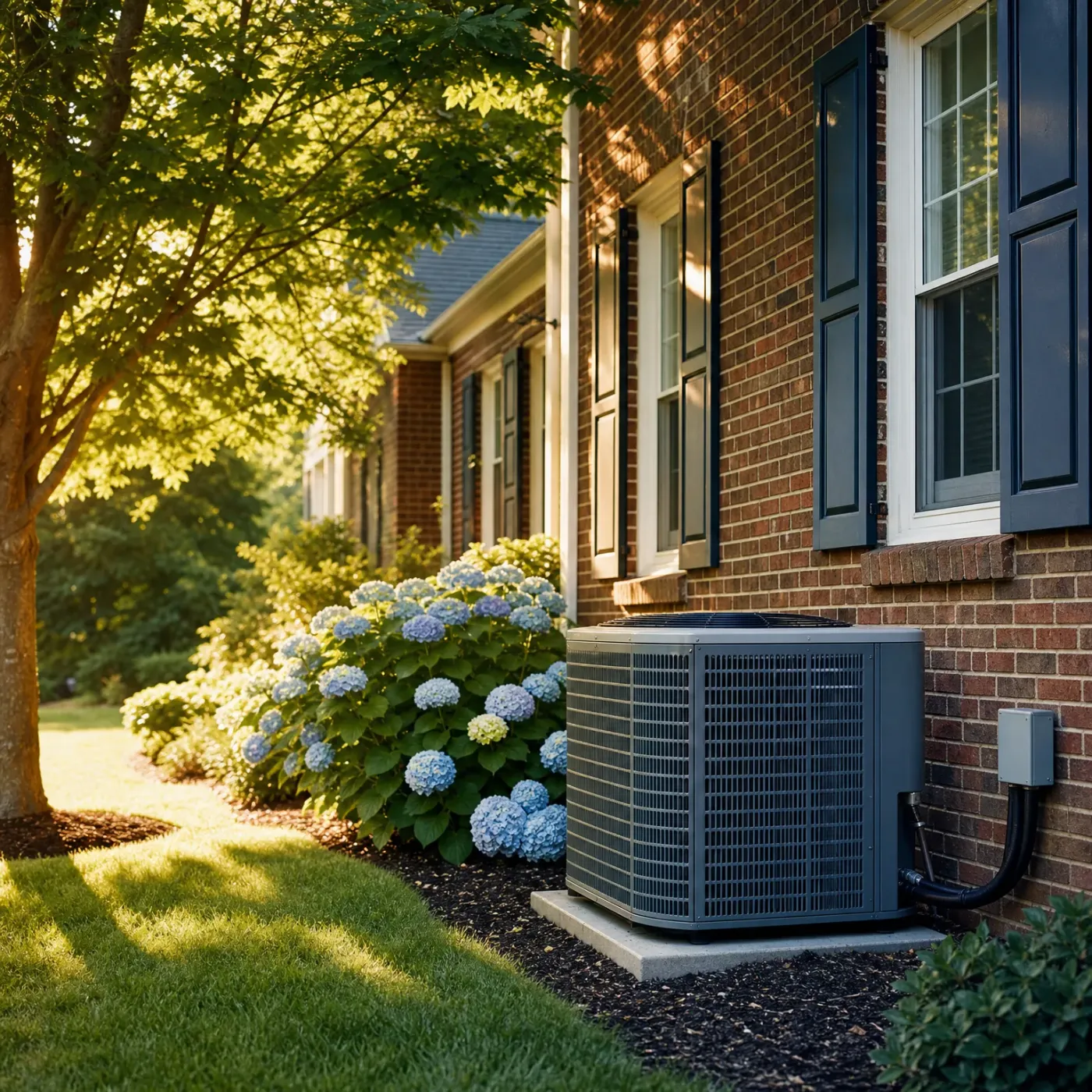
4 months of cooling, June through September
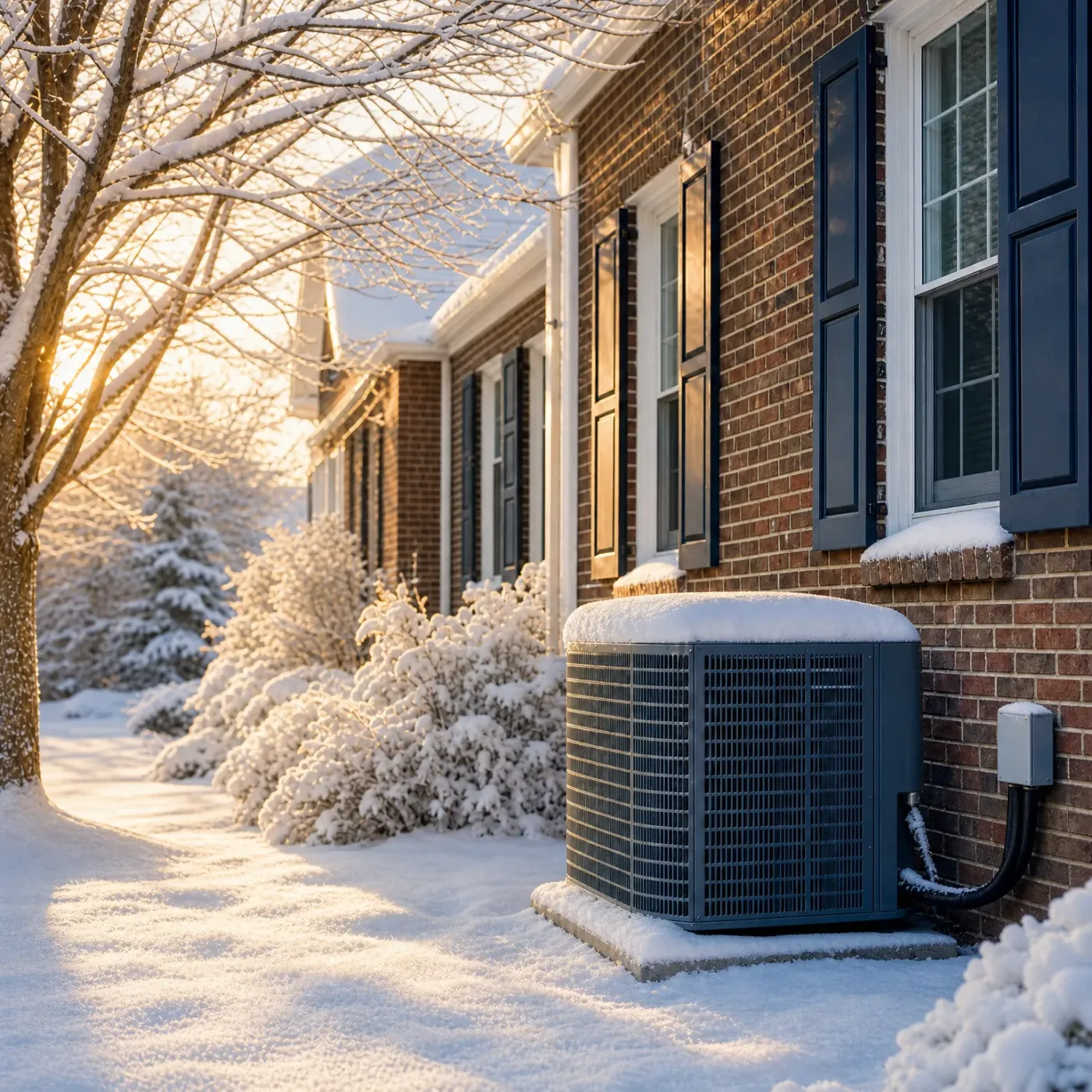
7 months of heat, October through April
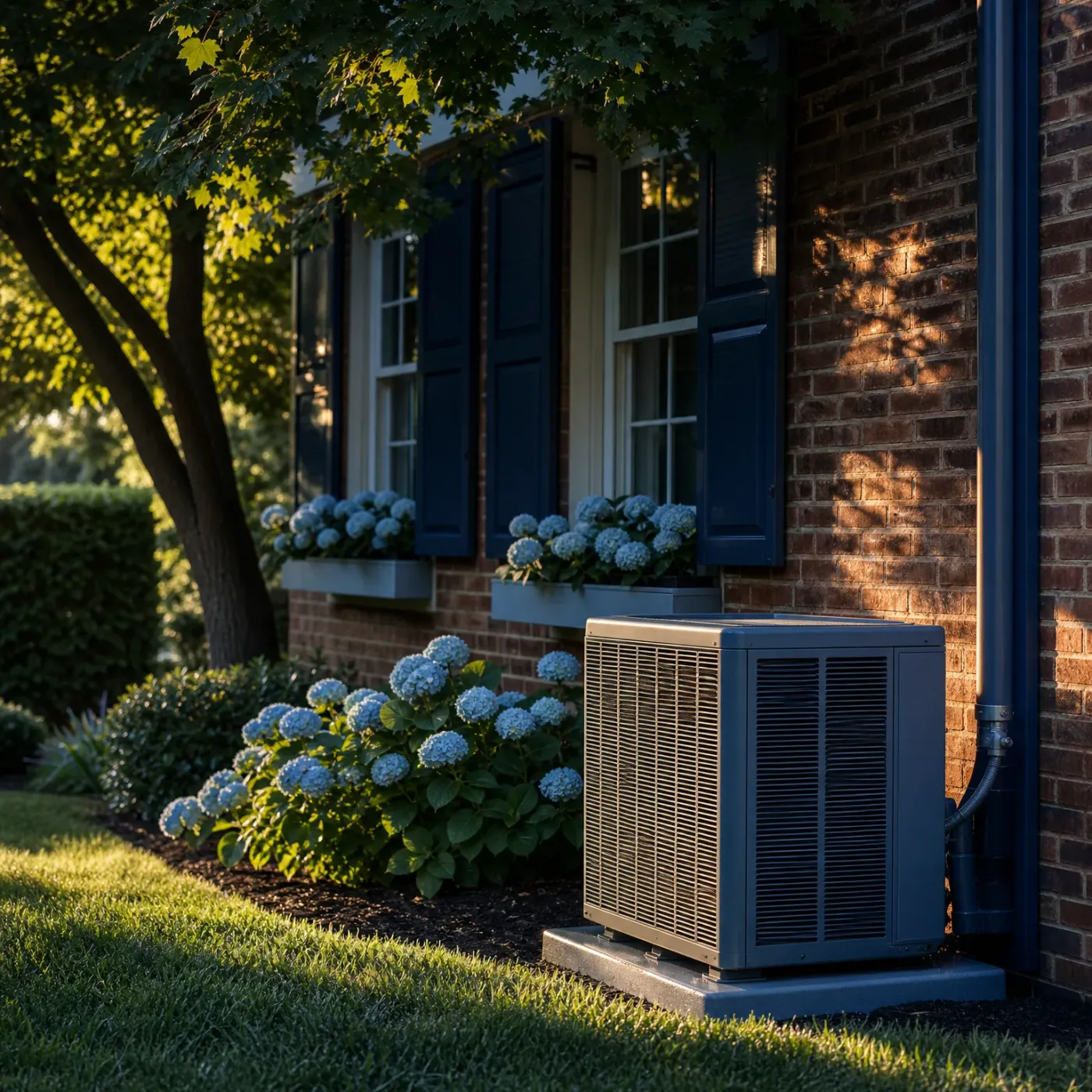
Maryland isn't one climate for a heat pump to work against. Homes in the southern counties need about 12% more cooling over a year than homes in the north. Homes in the northern counties need about 9% more heat over a year than homes in the south. The unit still does the same two jobs everywhere. What changes is how hard it leans on each one.
The gap is widest at the far ends of the state. Somerset County needs about four times the cooling that Garrett County does, the lowest cooling need in Maryland. Garrett County needs about 63% more heat over a year than Somerset County, where the heating need is lowest in the state. A home in Garrett County is asking its heat pump to lean on heating far more than a home in Somerset County ever will, and the reverse is true for cooling.
Summer afternoons show the same split. Baltimore averages 87°F across June, July and August. Garrett County averages 78°F over those same months. Both homes need a heat pump sized to the house and the ductwork, same as anywhere in the state. What differs is which season that sizing has to answer to hardest, and that comes down to where in Maryland the house sits.
What does a heat pump in Maryland face?
How hot do summer afternoons get?
85°Faverage afternoon high where people live
Alaska66°F
Arizona101°F
How cold do winter nights get?
27°Faverage overnight low where people live
North Dakota4°F
Hawaii65°F
How many months does the heat run?
7 monthsof heating a year
Hawaii0 months
Alaska12 months
What does electricity cost?
17.86¢per kWh (kilowatt hours, the unit on an electric bill), what homes paid in 2024
North Dakota11.51¢
Hawaii42.86¢
How often do storms hit?
293severe weather events per county from 2015 to 2024
Alaska5
Wyoming1,057
How many homes lost power for a day or more?
11%of homes in 2024
Arizona7%
Maine54%
Getting the size right
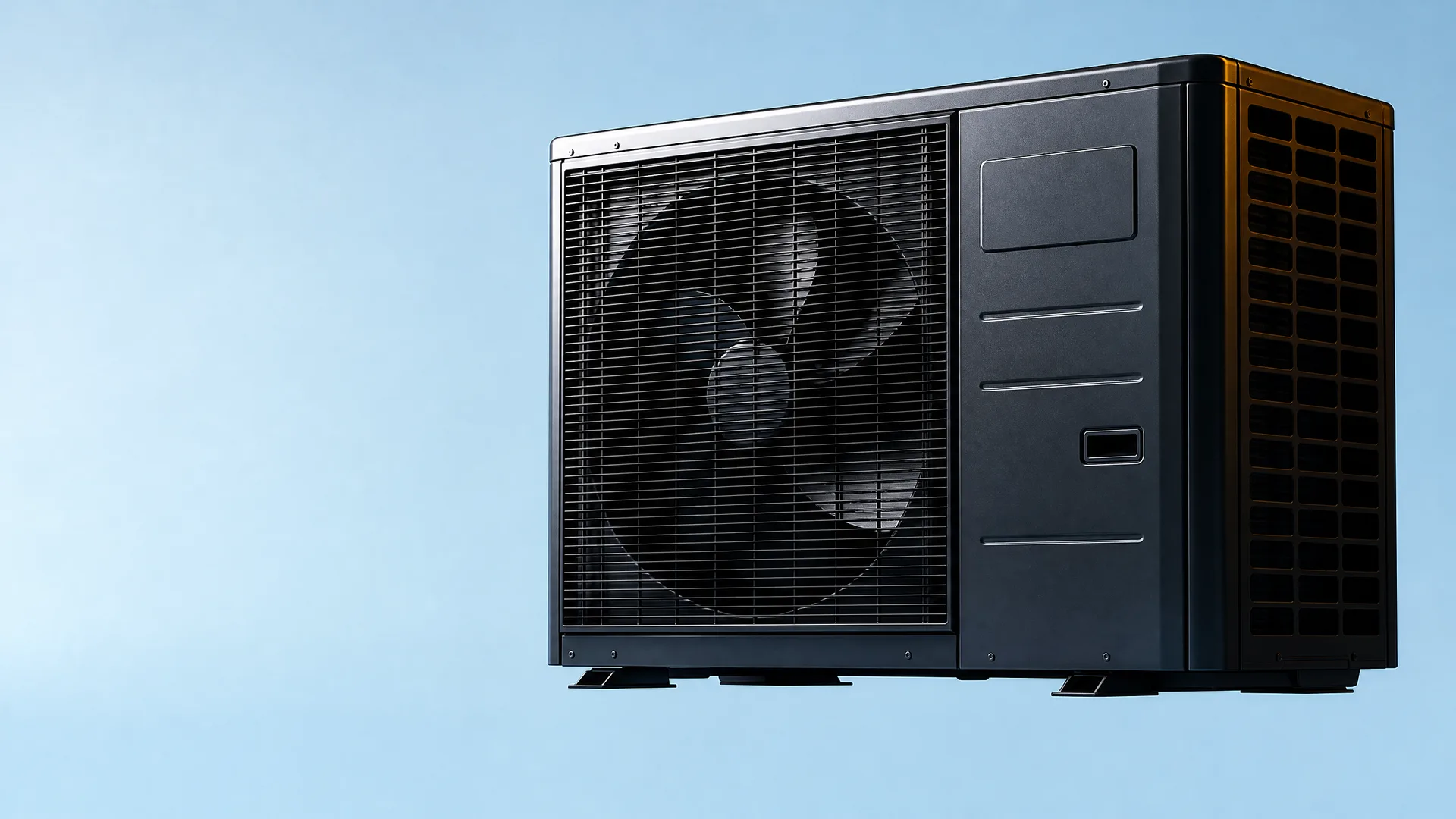
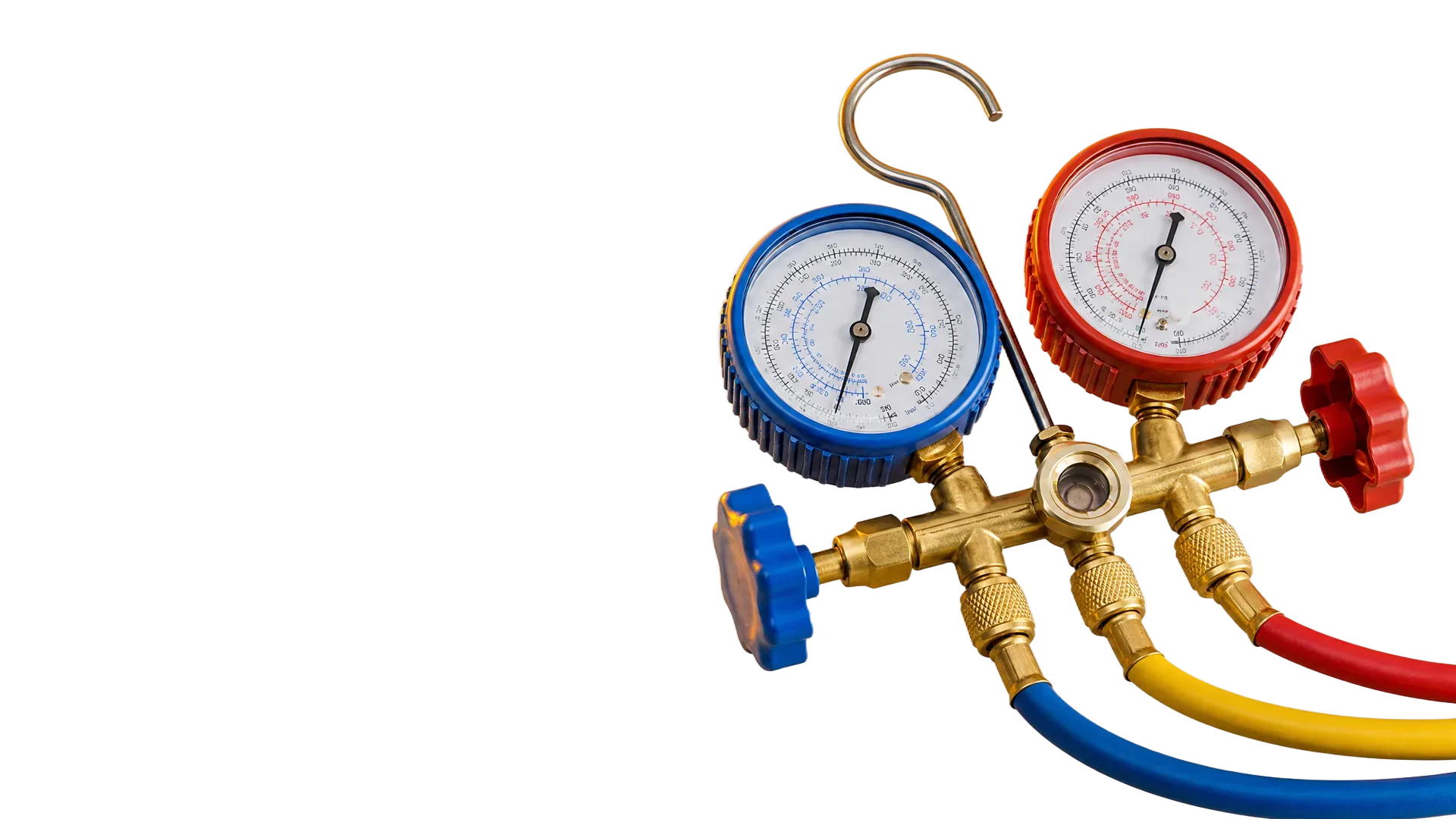
A heat pump is sized off a load calculation, not the square footage of the house or whatever the old system happened to be. That calculation looks at the windows, the insulation, which way the house faces, and the ductwork already there. Too big and it blasts the house to temperature and shuts off before it's run long enough to pull the humidity out of the air, and all that starting and stopping wears on the compressor. Too small and it runs flat out in the hardest weather and still falls behind, leaning on backup heat more than it should. The right size runs long, steady cycles and holds the house even. The outdoor unit and the indoor air handler also have to be matched to each other. Put together wrong, the system can still turn on and move air, but neither piece performs the way it was built to.
What happens on install day
The crew starts outside, at the slab or pad where the old outdoor unit sits, or where a new one has to go. That location gets checked before anything else moves, because the unit needs clearance on all sides to pull in air. Inside, the air handler and the ductwork get the same look. If the old ducts are staying, they get tested for leaks and checked against the new system's airflow needs, since a duct sized for one unit doesn't always suit another. The old equipment comes out, lines and wiring get run to match the new layout, and the new outdoor unit and air handler go in. Once both pieces are set, the refrigerant lines get connected and the system is charged and checked against what the manufacturer specifies for that exact pairing. Then it gets run, in both directions. Heating and cooling both get tested before the crew leaves, with airflow checked at the vents and the thermostat checked against what the system is actually doing. A heat pump that cools fine but was never run in heating mode hasn't been fully tested, and the reverse is just as true.
A standard system fits here
Half the homes in Maryland were built in 1979 or earlier, and houses make up most of the housing stock here. Neither one changes what size heat pump goes in or what tier fits. The load calculation already accounts for the windows, insulation and ductwork a given house has, old or new. Maryland's homes aren't older than most of the country either, just older than in a little over half the other states, so there's nothing about the age or the mix of housing here that pushes toward a bigger unit or a higher-end one. A standard size, matched correctly to the house, is what fits.
Maryland sees more severe weather than most states, and storms here knock out power more than most.
Tell us about the job
Takes about a minute. No obligation.
Fill out the form once and a licensed Maryland installer sizes the system to your house.