Electricity here runs $52.34 per million Btu
Maryland's electricity cost homes $52.34 per million Btu in 2024, among the higher rates nationally. A furnace that wastes heat costs more to run here than the same furnace would in a cheaper state.

Takes about a minute. No obligation.
Maryland's electricity cost homes $52.34 per million Btu in 2024, among the higher rates nationally. A furnace that wastes heat costs more to run here than the same furnace would in a cheaper state.
Two furnaces with different efficiency ratings will show a bigger gap in Leonardtown than somewhere with cheap power. Worth comparing AFUE ratings closely when you're pricing out installation, not just the upfront cost of the unit.
NOAA nClimDiv, 1991–2020 normals
Most homes in St. Mary's County heat with electricity, not gas.
A furnace installed here most likely replaces an electric system, not a gas one.




St. Mary's County falls under zone 4A, a mixed climate that asks real work of both your furnace and your AC. Any furnace installed here has to clear a minimum efficiency for that zone. Furnaces built from November 2015 on have to hit 80.0 percent AFUE, and that floor is set to rise to 95.0 percent for units built after it. If you're comparing units, check the manufacture date against the rating on the box, not just the price.
Heat starts running here in October and stays on through April. Get the furnace in during September and it's installed on your terms, with time to size it right and compare ratings, not in the middle of the first cold week when whatever's in stock has to do.
Find a contractorAn old furnace that's cycled on and off for years wears in predictable places. The heat exchanger or heating element fatigues from the constant on and off. Blower motor bearings wear down and start making noise before they fail outright. Electric furnaces carry heating elements that can burn out or crack with age, and if yours has a cooling coil paired with it, that coil gets drained before anything is disconnected. None of this makes the old unit dangerous sitting in a closet. It just means it's earned its spot in the truck once the new one is in. Disconnecting the old furnace from its power circuit, draining any coil, and hauling the whole unit out is part of the installation job. You don't need to find somewhere to take it yourself.
A furnace should be sized by a room-by-room heat loss calculation, not matched to whatever size is already in the closet. One too big for the house will short cycle, heating the air fast and shutting off before it pulls the chill out of the walls and furniture. One too small will run constantly and still struggle on the coldest days. The contractor should be able to tell you the numbers behind the size they're quoting, not just hand you a unit.
Furnace warranties usually split the heat exchanger from everything else, and the heat exchanger often carries a much longer term than the blower motor, igniter or control board. Find out whether the warranty is tied to the unit or also requires registration within a set window after install, and whether labor is included or only the part itself. A warranty that only covers the part still leaves you paying someone to put the new one in.
AFUE is the share of fuel that turns into heat for your house instead of going out the flue. The rest gets lost in combustion and exhaust. That number is tested under set conditions, so it's good for comparing one furnace against another on the showroom floor. What you actually pay to run it depends on more than the label. Ductwork that leaks, a unit that's oversized for the space, or a thermostat that's never been set right will all eat into the savings a higher rating promises on paper. Ask the contractor to show you the rating printed on the unit itself, not just a number from a brochure, since the furnace in your closet is what you're paying to run, not the one in the catalog.
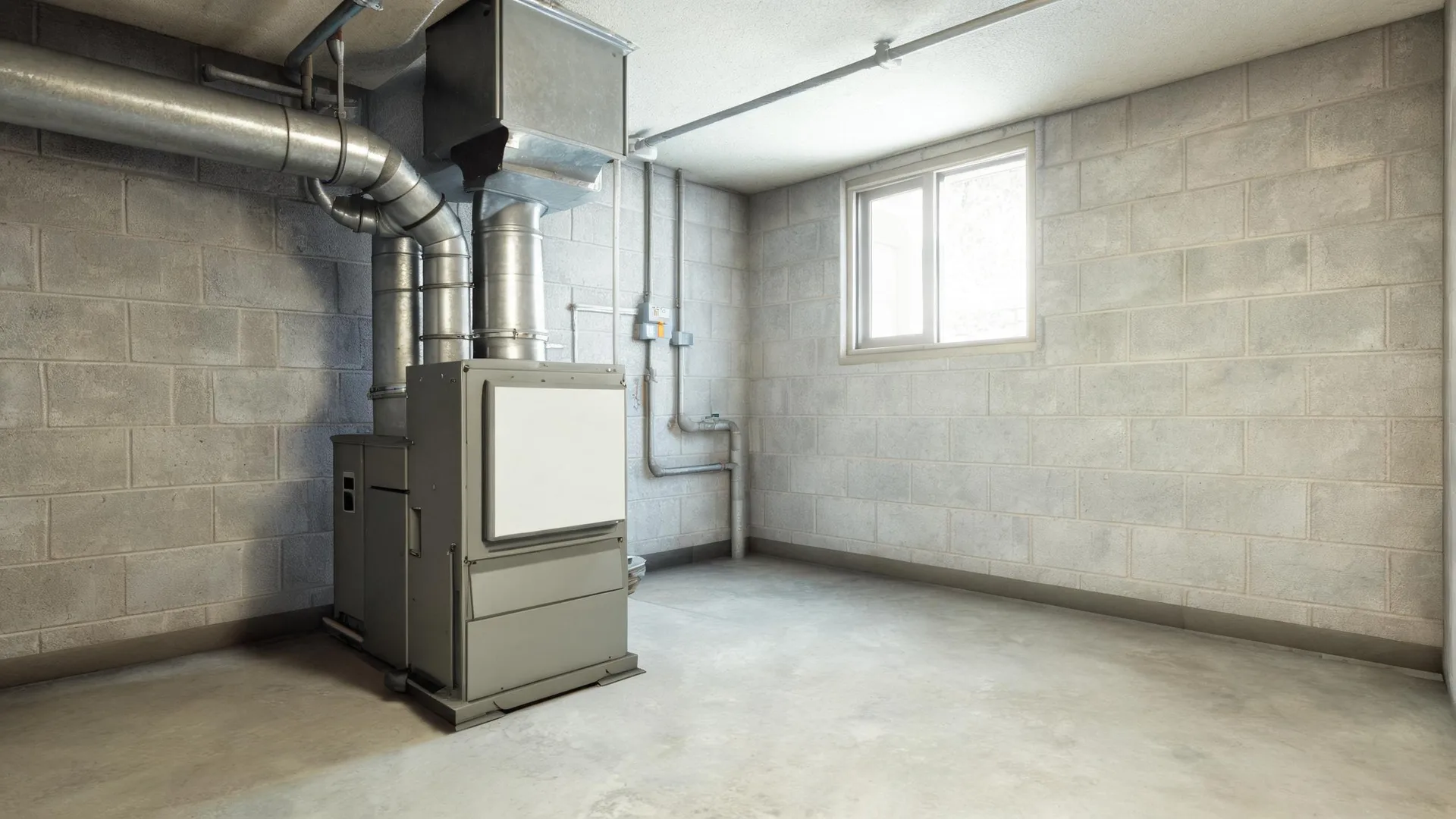
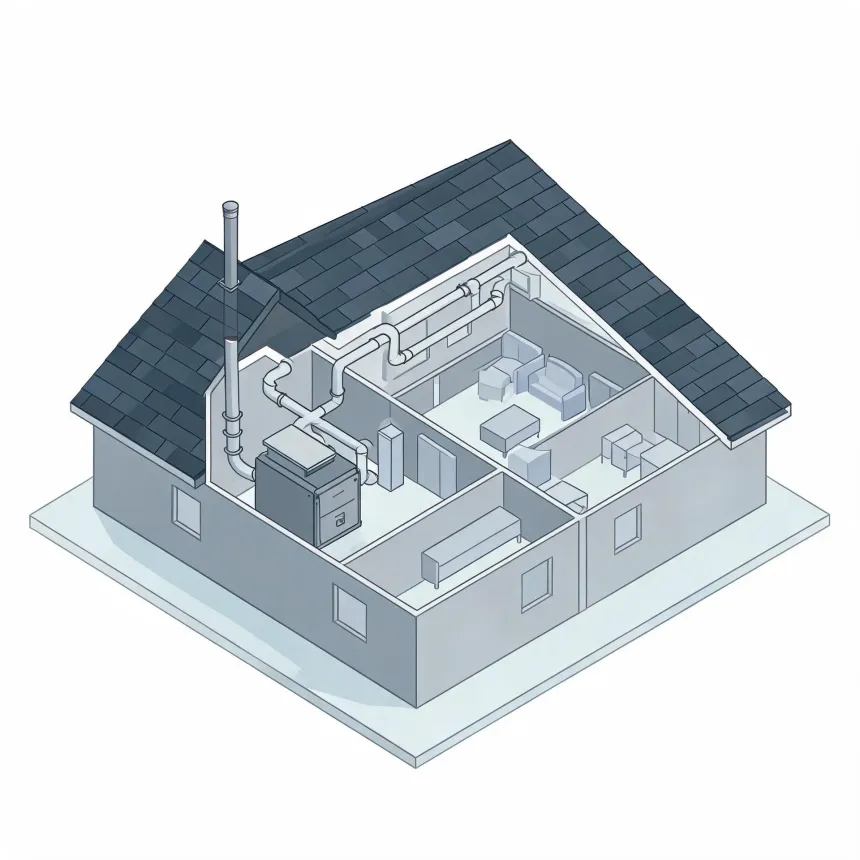
Install day starts with the old unit coming out, and that takes a while once the gas or power line is disconnected and the ductwork is pulled loose. The new furnace gets set in place, connected to the supply and return plenum, and tied into the gas line or electrical circuit depending on what it runs on. The venting gets connected next, since a furnace has to exhaust correctly for the gas it burns to clear the house instead of backing up. After that comes the control wiring to the thermostat and a check of the gas pressure or electrical draw against what the manufacturer specifies. A good installer runs the system through a full cycle before leaving, checking the temperature rise across the heat exchanger and listening for anything that sounds wrong in the blower. A duct that never gets sealed back up properly, or a connection that was rushed, shows up later as a room that won't hold heat or a furnace that runs longer than it should.