
Heat Pump Maintenance in Maryland
Electricity costs homes more in Maryland than in 37 of the other 49 states.
Tell us about the job
Takes about a minute. No obligation.
- 27°Fwinter overnight low where people live
- 7 monthsof heat, October through April
- 85°Fsummer afternoon high where people live
- 4 monthsof cooling, June through September
Electricity costs more here than most a neglected heat pump shows it on the bill
- Southern counties need about 12% more cooling than northern ones
- Winter nights average 27°F where people live
- Summer afternoons average 85°F where people live
- Heat runs October through April
- Cooling runs June through September
- 370 winter storms from 2015 to 2024


May is the month to get a heat pump looked at here. Cooling starts in June and runs through September, four months straight, and a heat pump working to cool the house will struggle with any problem a tech could have caught beforehand. Get it checked before that first hot stretch, not after it's already running flat out.
The heating side matters just as much. Maryland homes run heat from October through April, seven months of the year, longer than in most states. September is the month to have it serviced, before it has to switch over and start carrying the house through fall and winter. A heat pump that starts the season already behind doesn't catch up on its own.
One visit a year covers it
A heat pump here works both sides of the year, heat for seven months, cooling for four, with barely a break between. That's most of the year on duty, which is why one visit a year is enough to matter but not so often that it feels like overkill. Spring and fall each ask something different of the system, and a once-a-year check lines up with the one quiet stretch between them. Maryland also sees more damaging wind than all but a few states. Outdoor units sit exposed to that. A yearly look catches a bent fin or a loose panel before it turns into a bigger repair.
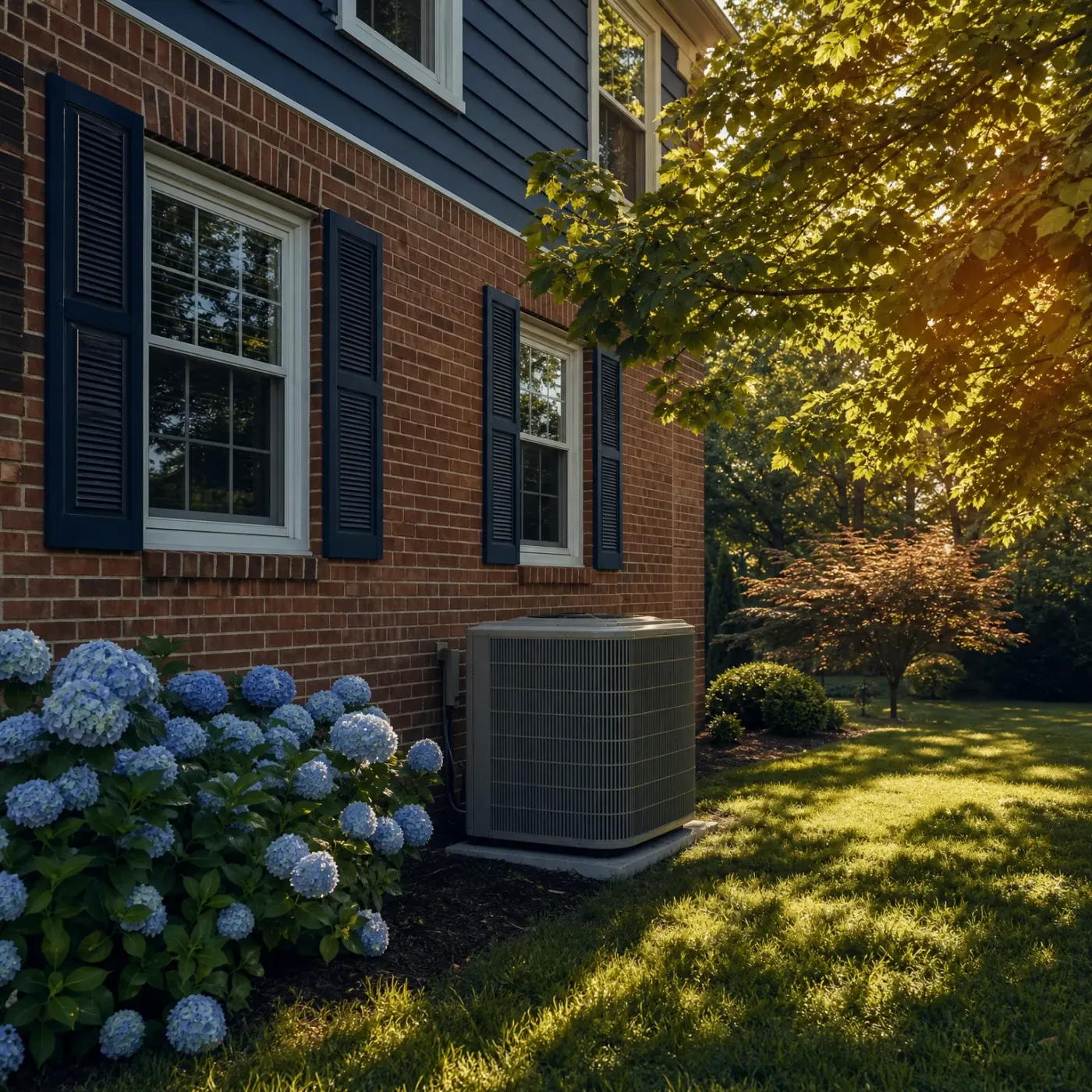
4 months of cooling, June through September
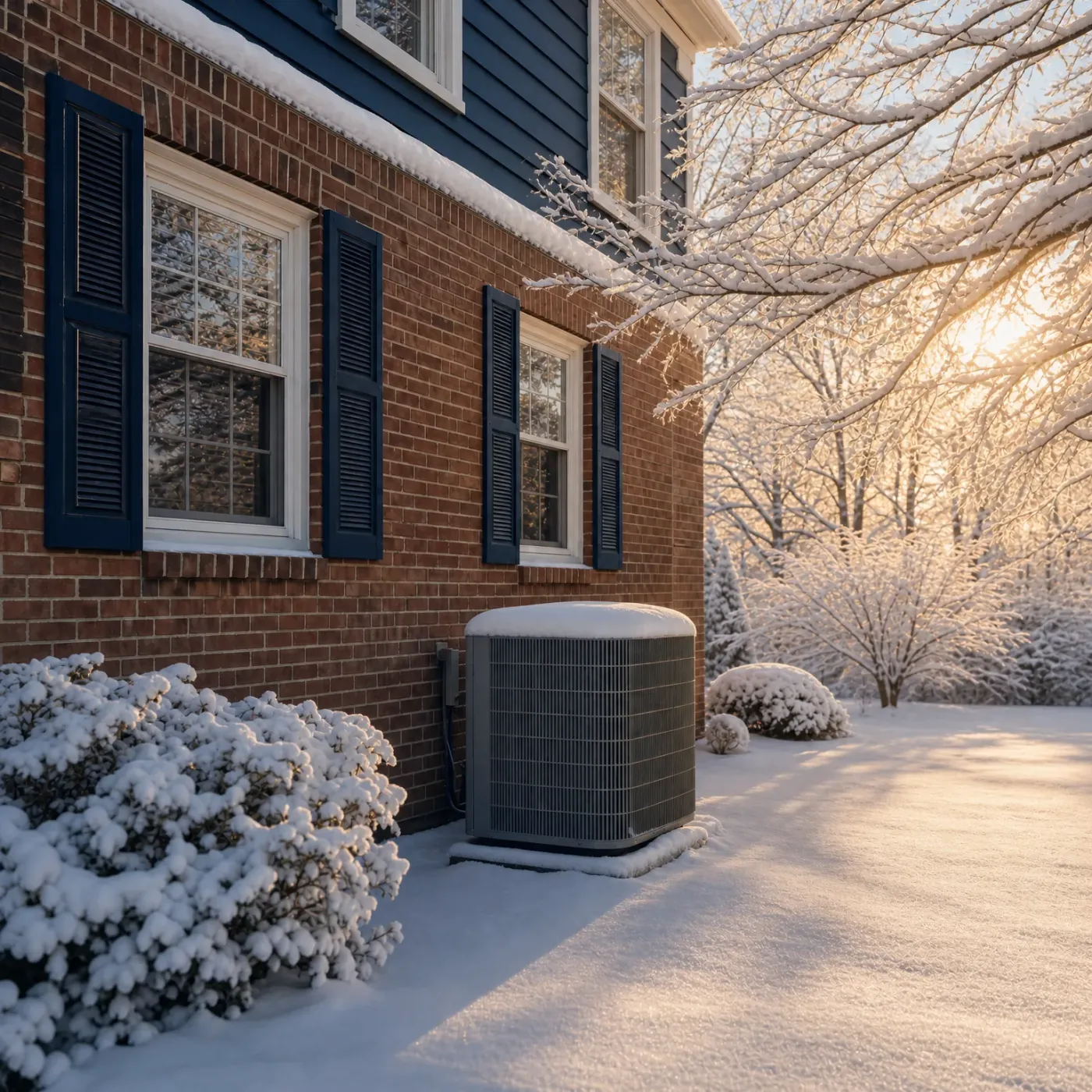
7 months of heat, October through April
Maryland's heat pumps don't all carry the same load. Homes in the southern counties need about 12% more cooling over a year than homes up north. The gap is sharper between specific counties. Somerset County needs roughly four times the cooling that Garrett County does, the lowest in the state. A heat pump in Somerset is working harder each summer than one near Garrett, which makes a pre-season check worth more there.
Heating runs the other way. The northern counties need about 9% more heat over a year than the southern ones. Garrett County needs about 63% more heat than Somerset, where heating need is lowest in the state. A heat pump in Garrett County carries a heavier load all winter than one near the Chesapeake. That's reason enough not to skip the service before the switch to heat.
Summer afternoons make the same point a different way. Baltimore averages 87°F on summer afternoons. Garrett County averages 78°F. A heat pump pushing against 87 degrees day after day is working harder than one in the mountains, and it's worth knowing which end of that range your house sits on.
Wherever you are in the state, the two visits still matter. What changes is how much is riding on the system when the weather turns, heavier in some counties, lighter in others, but never nothing.
What does a heat pump in Maryland face?
How hot do summer afternoons get?
85°Faverage afternoon high where people live
Alaska66°F
Arizona101°F
How cold do winter nights get?
27°Faverage overnight low where people live
North Dakota4°F
Hawaii65°F
How many months does the heat run?
7 monthsof heating a year
Hawaii0 months
Alaska12 months
What does electricity cost?
17.86¢per kWh (kilowatt hours, the unit on an electric bill), what homes paid in 2024
North Dakota11.51¢
Hawaii42.86¢
How often do storms hit?
293severe weather events per county from 2015 to 2024
Alaska5
Wyoming1,057
How many homes lost power for a day or more?
11%of homes in 2024
Arizona7%
Maine54%
What a heat pump tells you before it fails
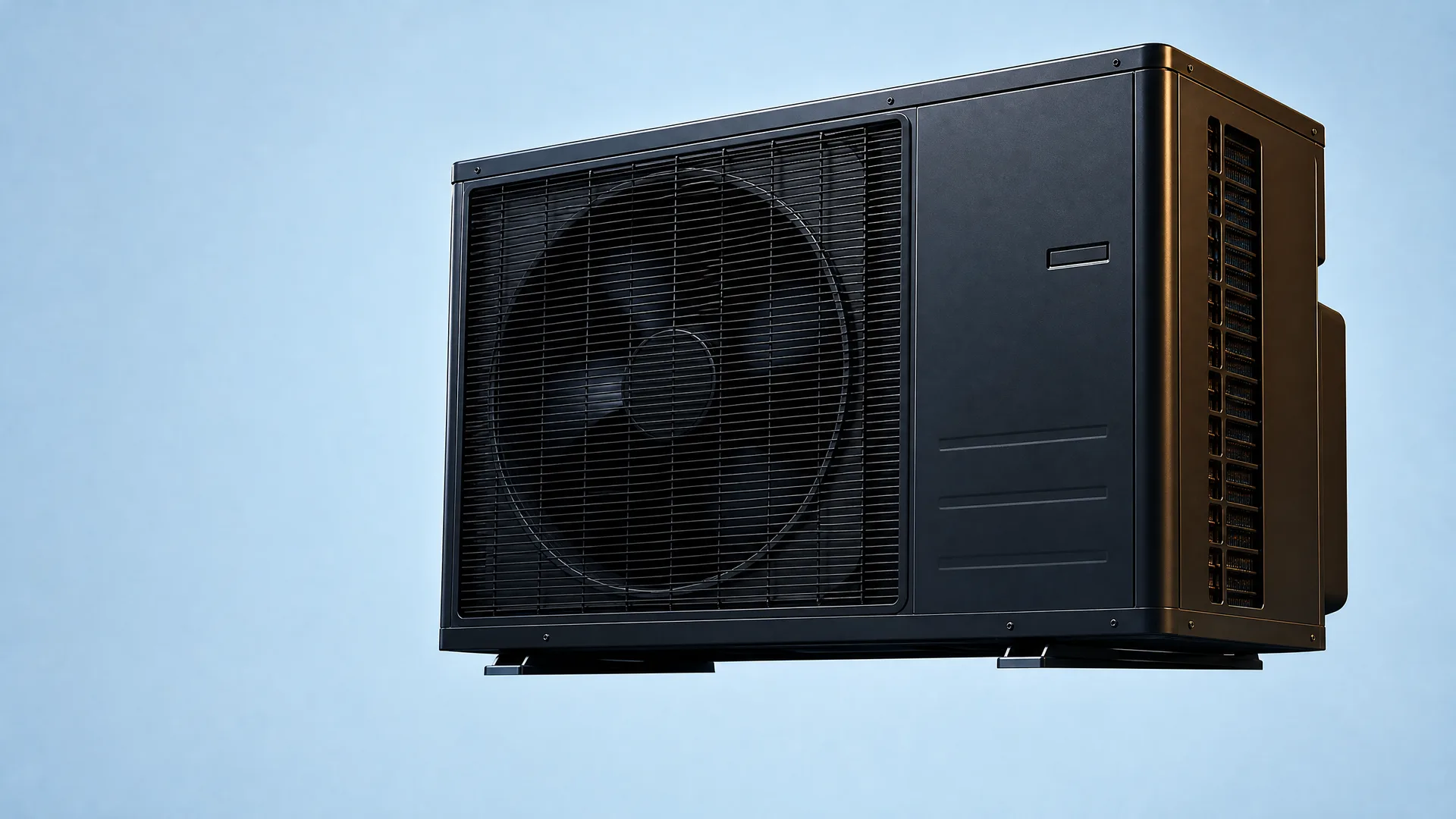
A heat pump never really stops, and that's exactly why it's easy to miss early signs of trouble. Watch for ice building up on the outdoor unit when it shouldn't be there, or the system running long stretches without ever seeming to catch up to the thermostat setting. Listen for a change in sound, a clank, a rattle, a hum that wasn't there before. Feel the air coming out of the vents. If it's blowing cool when it should be warm, or barely moving at all, something's off with airflow, the reversing valve, or the refrigerant charge. A dirty coil or a clogged filter makes the whole system work harder to move the same amount of air, and that strain shows up eventually as a part that fails early. Short cycling, where the unit kicks on and off again fast, usually points to a control problem or a system that's lost its charge. None of these signs mean the heat pump is done for. They mean it's asking for a look before the small problem becomes the reason it quits on the coldest night or the hottest afternoon of the year.
What a tune-up actually covers
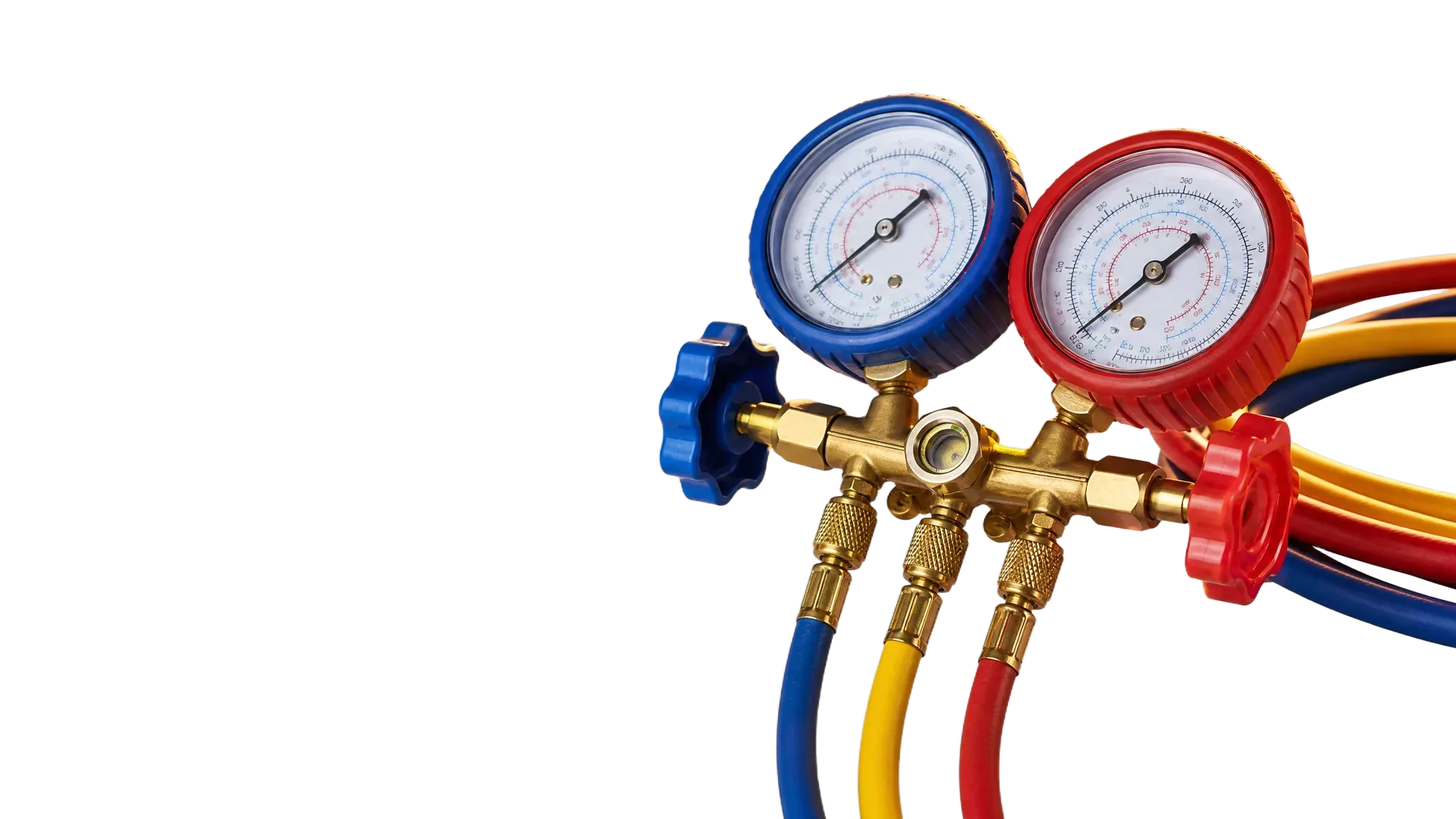
A tune-up starts outside. The outdoor coil gets cleaned, because a coil caked with dirt or matted with grass clippings can't move heat the way it's supposed to, and that forces the compressor to work harder for the same result. The fan gets checked for wobble or a bearing going bad. Refrigerant charge gets measured against what the system is supposed to carry, since too little or too much both wear the compressor down early. Inside, the filter gets replaced or cleaned, the blower wheel gets looked at for dust buildup, and the condensate line gets cleared so it isn't sitting somewhere it can back up. The reversing valve, the part that switches the system between heating and cooling, gets tested both ways, not just the direction it's running in that day. Electrical connections get tightened, because a loose connection is where heat builds up and a part eventually fails. The whole system gets run through a cycle and the readings get compared against what the manufacturer says they should be. None of this is guesswork. A tech doing it right isn't just looking the unit over, they're checking it against numbers and catching the part that's drifting out of range before it quits.
Built to handle what blows through
Maryland sees more severe weather than most states, and damaging wind accounts for most of it. An outdoor heat pump unit sits right out in that. A cracked fin or a cabinet panel knocked loose by wind doesn't need its own visit. It gets caught at the same yearly check that covers everything else, the coil cleaning, the electrical connections, the refrigerant charge. Hail is less of a concern here than in most of the country, so the outdoor unit isn't taking that kind of hit. Wind is the one worth watching, and a once-a-year look at the coil and the housing catches it before it becomes a bigger repair.
One check a year is what a Maryland heat pump needs, not more.
Tell us about the job
Takes about a minute. No obligation.
Fill out the form and a licensed contractor near you gets in touch to schedule the visit.