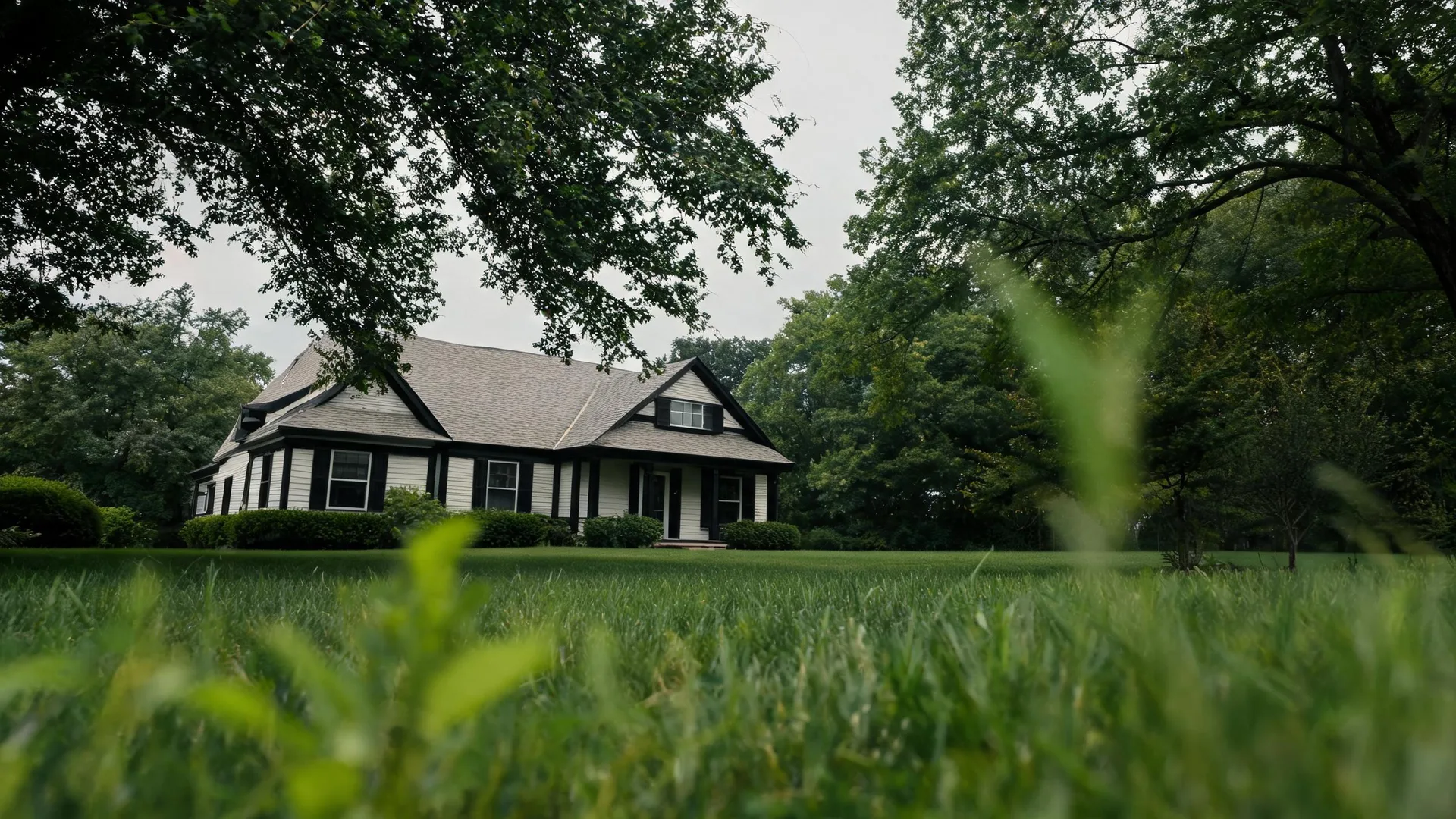





A single-story white house with dark trim and a shingled roof stands among leafy trees, photographed from low in a green lawn with blurred grass blades in the foreground.

Furnace Installation in Easton, MD

Tell us about the job

Takes about a minute. No obligation.

New system or replacementFurnace or heatingTalbot County, MD
Step 1 of 2

What ZIP code is the job in?

Maryland homes paid $52.34 per million Btu for electricity in 2024, and that number matters more the day your new furnace goes in than almost anything else on the spec sheet. An electric furnace that runs inefficiently will cost you that rate over and over, all winter, for as long as you own it. The efficiency rating on the unit you choose is the one number that works against that cost instead of with it. If you're comparing models, ask what each one is rated at before you ask about price, because the price tag is a one-time number and the electric rate is not.

7 months
October through April, your furnace is on duty
29°F
the average winter night it heats against
80% AFUE
the federal minimum any new unit must meet
Isometric cutaway illustration of a single-story house with a dark shingled roof, showing interior rooms with furniture, ductwork, a flue pipe, and a furnace unit.
Your furnace works hardest from November through March.

NOAA nClimDiv, 1991–2020 normals

The size of the furnace matters more than the brand on it.

One that's too big or too small for the ductwork it's tied to will cost more to run no matter what the sticker says.

September is the month to have this done, before heat season starts in October

Heat runs October through April
Winter nights average 29°F
Climate zone 4A

Most houses in Talbot County run on electric heat, 61.5% of them. Gas furnaces are the exception here, not the rule, with utility gas at 18.6% and propane and oil close behind. If your old furnace is electric, replacing it with another electric furnace is the straightforward path. The wiring is already there, sized for the load, and the ductwork is already matched to an electric system's airflow. Switching fuels means new venting or a new gas line, work that goes well beyond swapping one furnace for another.

Efficiency pays here

Power costs more here, so an efficient system pays you back on every bill.

Find a contractor
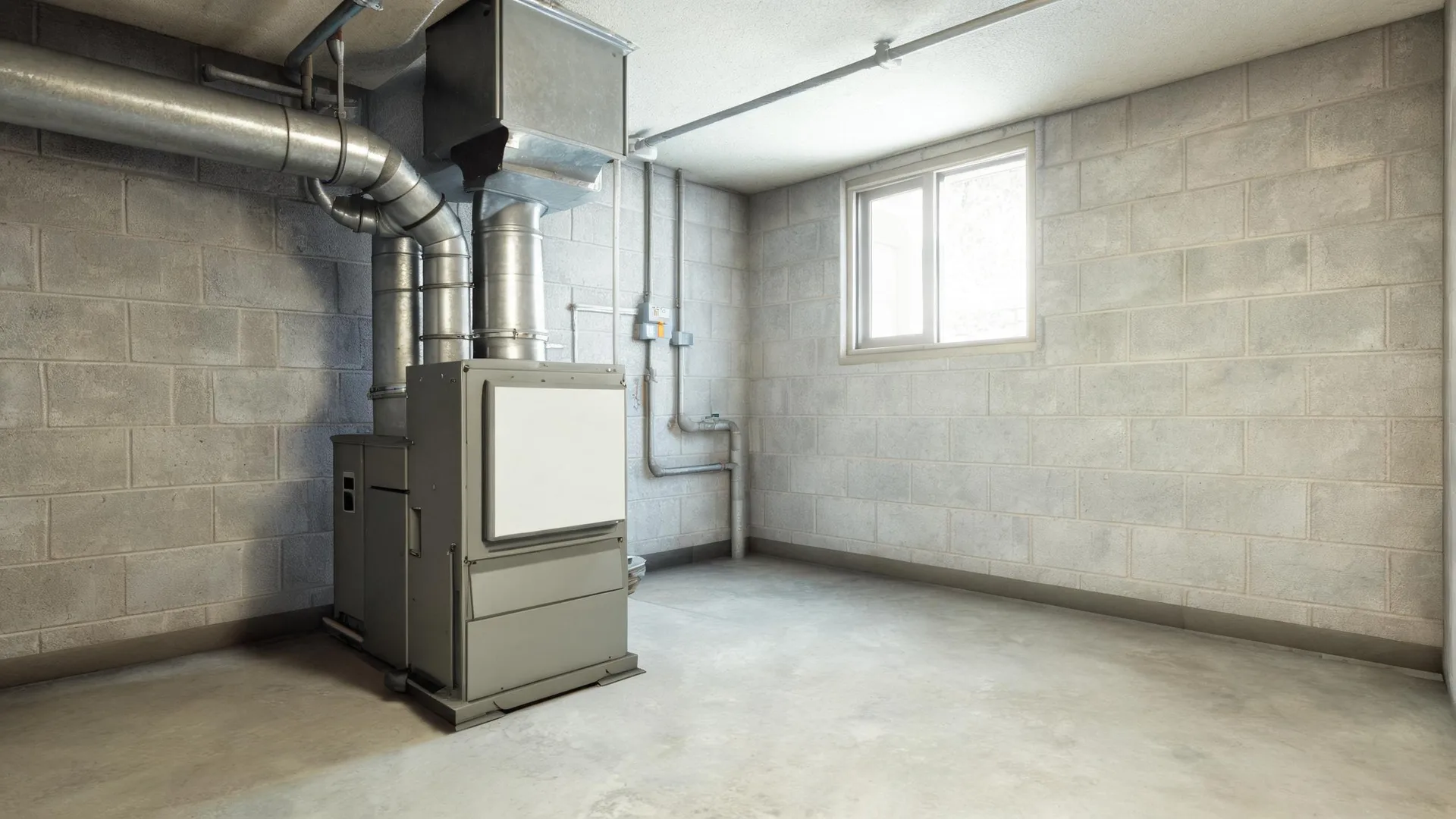
A gas furnace with attached ductwork, gas piping, and condensate lines installed in a concrete-block basement.

Sized to the house, not the old unit

A furnace is sized by a load calculation, not by the square footage of the house or the size of the unit coming out. The calculation looks at how much heat the house loses through its walls, windows, and roof on a cold day, and sizes the furnace to replace that heat, no more. Too big, and the furnace reaches temperature fast, shuts off, and starts again a few minutes later. That short cycling wears the igniter and the blower motor harder than a full run would, and it leaves cold spots because the air never runs long enough to even out room to room. Too small, and it runs constantly trying to catch up, which pushes the same wear onto the same parts from the other direction. The right size shows up as long, steady runs through the coldest part of the day, not as a number on a brochure.

The rating only counts the fuel it burns

An efficiency rating tells you how much of the energy going into the furnace turns into heat in the house instead of going up the flue. It says nothing about duct leaks, a thermostat set wrong, or a return running through an unheated space. A high rating on the unit does not guarantee a high rating on the system once it is tied into the house.
The rating does not change with the weather

A furnace holds its rating whether the day outside is mild or brutal. What changes is how long it has to run to make up the difference, and a longer run at a lower rating costs more than the same run at a higher one. Judge a furnace by that rating the way you'd judge a car by its window sticker, knowing your own habits still decide what you pay.

Whoever installs the new furnace will disconnect the old one from the gas line or breaker, the ductwork, and the flue if it has one. A furnace that burned fuel gets its gas line capped off, not just shut, because a valve can be bumped open later and a cap can't. The old unit itself is usually hauled away by the crew doing the install, since it's heavy enough that most homeowners don't want to deal with moving it. If a chimney or flue was venting the old furnace, check whether anything else in the house still uses that same flue before it's capped or altered. A furnace is mostly steel and copper, so it typically goes to a scrapyard rather than a landfill.

On install day the old furnace comes out first, disconnected and hauled clear before the new one ever comes through the door. The crew sets the new unit, runs new duct connections where the old ones don't line up, and wires in the thermostat. Once it's in place, gas or power gets reconnected and the furnace gets fired up and run through its paces, checking the flame, the airflow at the vents, and the rise in temperature across the unit itself. That last check matters as much as anything else done that day. A furnace that's wired right and piped right can still be set wrong, with airflow too low or too high for the size of the unit, and that shows up as a temperature rise outside what the furnace is built for. A tech checks this with the panels back on and the system running as it will every day after, not with them off and the furnace idling. Before anyone leaves, the flue gets checked for a solid connection and proper draft, because a furnace that burns fuel needs that exhaust path working from the first cycle, not just the hundredth.