




A row of similar single-story light-colored houses with gray gabled roofs behind a white picket fence and a mown lawn, with large deciduous trees behind them.

Furnace Installation in Columbia, MD

Tell us about the job

Takes about a minute. No obligation.

New system or replacementFurnace or heatingHoward County, MD
Step 1 of 2

What ZIP code is the job in?

Electricity in Maryland ran $52.34 per million Btu in 2024, and that cost shows up on every bill once your new furnace is running. If you heat with an electric furnace, or a heat pump backed by one, the efficiency rating on that unit is not a sticker, it is what you pay each month to stay warm. A furnace that wastes less power on the same cold day costs less to run than one that does not, and that gap repeats on every bill all winter. Ask what AFUE or HSPF2 rating a system carries before you decide, since that number is the one that follows you home.

7 months
October through April, your furnace is on duty
26°F
the average winter night it heats against
80% AFUE
the federal minimum any new unit must meet
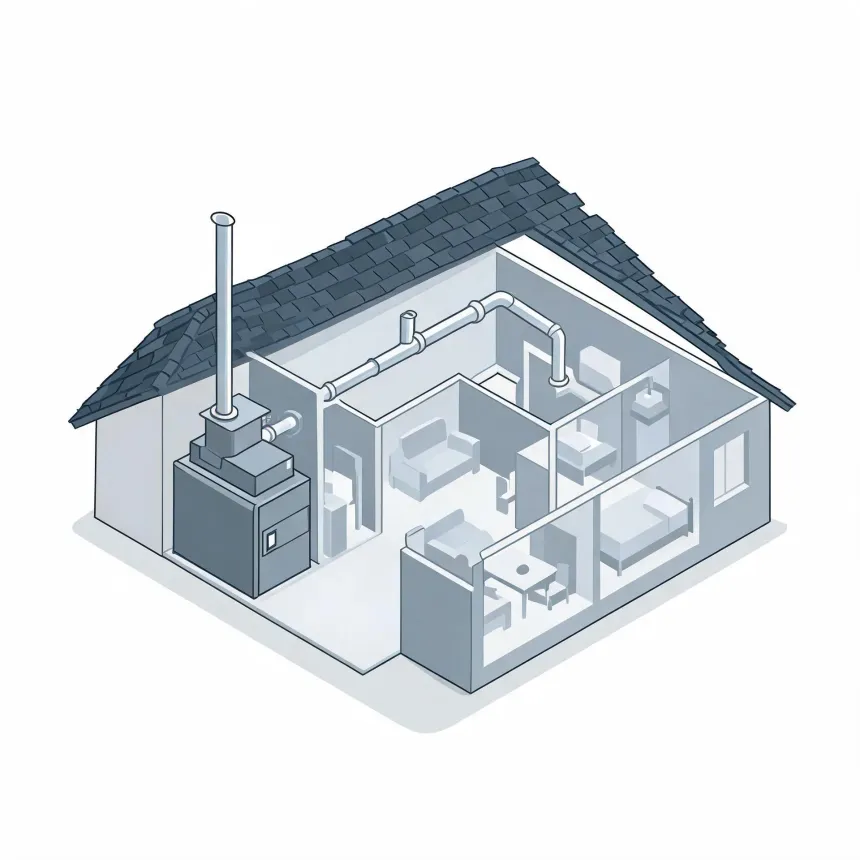
Isometric cutaway illustration of a single-story house showing interior rooms with furniture, ceiling ductwork, and a large furnace unit with a tall flue pipe in a corner room.
Your furnace works hardest from November through March.

NOAA nClimDiv, 1991–2020 normals

Howard County furnaces run from October through April, with overnight lows near 26°F in the dead of winter.

A standard furnace sized right for your house handles that fine, no upsizing or special equipment needed.

Close to half of Howard County heats with electricity

49.9% of homes heat with electricity
Climate zone 4A
Heat runs October through April
Weather that knocks the power outHoward County had 223 severe weather events in ten years, and 11% of Maryland homes lost power for a day or more last year.

Ask for the AFUE or HSPF2 number on paper before the work is scheduled, and put it next to the price when you compare quotes. That rating is what decides your bill every month the furnace runs, not the brand on the case. If a heat pump with electric backup is part of the quote, the HSPF2 number tells you the same thing about the months that backup carries the load. A contractor can give you this number for any unit on the table. If they can't, that is worth asking about before you sign anything.

Get it installed before October, not after

Heat starts running in Howard County in October and stays on through April. A furnace installed in September is already tested and working before that first cold night, instead of getting picked under pressure once the house is cold.

Find a contractor
A gas furnace with attached ductwork, gas piping, and condensate lines installed in a concrete-block basement.

What's under the hood decides what's under the hood for years

A furnace installed today is expected to run for well over a decade, and what goes into the job decides how it holds up over all those years. Size is the first thing that drives cost. A unit sized to the house takes more work to get right than one picked off a chart, but it runs fewer, longer cycles and wears slower than a furnace that is too big and short-cycles or one that is too small and strains to keep up. Ductwork is the other big piece. If the existing ducts are undersized, leaky, or routed poorly for the new unit, bringing them up to spec before the furnace goes in adds labor but it is what lets the furnace deliver the heat it is rated for instead of losing it in the attic or crawlspace. Venting matters too. A higher-efficiency furnace often vents differently than what it replaces, and running new venting correctly takes more time than reusing what is already there. None of this shows up on the nameplate. It shows up in how long the furnace lasts and how evenly it heats the house once it is running.

The old furnace gets disconnected and removed

Taking out the old furnace means disconnecting the gas line or electric supply, the venting, and the ductwork connections before it comes out of the house. The new unit rarely sits in exactly the same spot or connects the same way, so the old one has to be fully clear before anything new goes in.
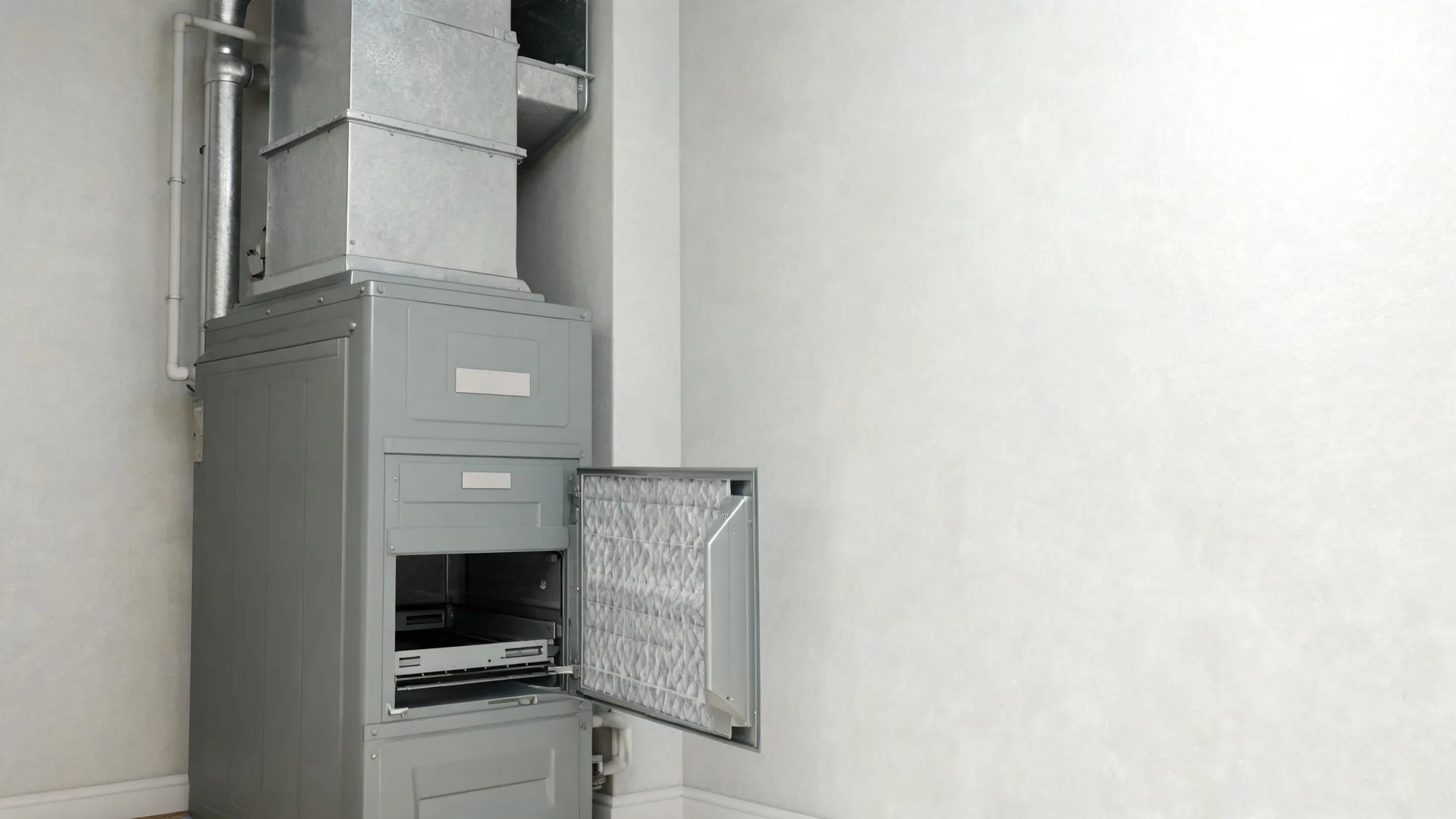
What it leaves behind matters as much as what it was

An old furnace can leave behind a duct connection, a vent path, or a gas line sized for a unit that no longer matches what's replacing it. Checking what's left against what the new furnace needs is part of the job, not an extra step, since a mismatch there is what causes problems after the install is done.

Sizing a furnace is a math problem before it's a hardware problem. The contractor works out how fast the house loses heat on the coldest night, room by room, based on square footage, window area, insulation, and ceiling height, then matches a furnace that can replace that heat at the same rate. Too big and the furnace blasts the house up to temperature fast, shuts off, and starts again a few minutes later, a pattern called short cycling that wears the heat exchanger and leaves rooms far from the furnace cold while the room with the thermostat is comfortable. Too small and it runs flat out on the coldest days and still can't keep up. Floor space alone doesn't answer this. A smaller house with old single-pane windows can need more furnace than a bigger one that's well sealed, which is why the calculation has to look at the whole house, not just its footprint.

Installation day starts with the house itself. Before the new furnace comes in, the ductwork, the gas or electric connection, and the venting all get checked against what that unit needs, not just unhooked and reused. The old unit comes out, the space gets prepped, and the new furnace goes in and gets connected to gas or power, to the vent, and to the ducts. Once it's set, the contractor fires it up and checks the gas pressure or electrical draw, the airflow, and the temperature rise across the unit to confirm it's running the way it's rated to. That startup check is what catches a loose connection or a duct that's not sealed before it becomes a problem months in. A furnace that passes that check on day one is the one that runs quietly for years after.