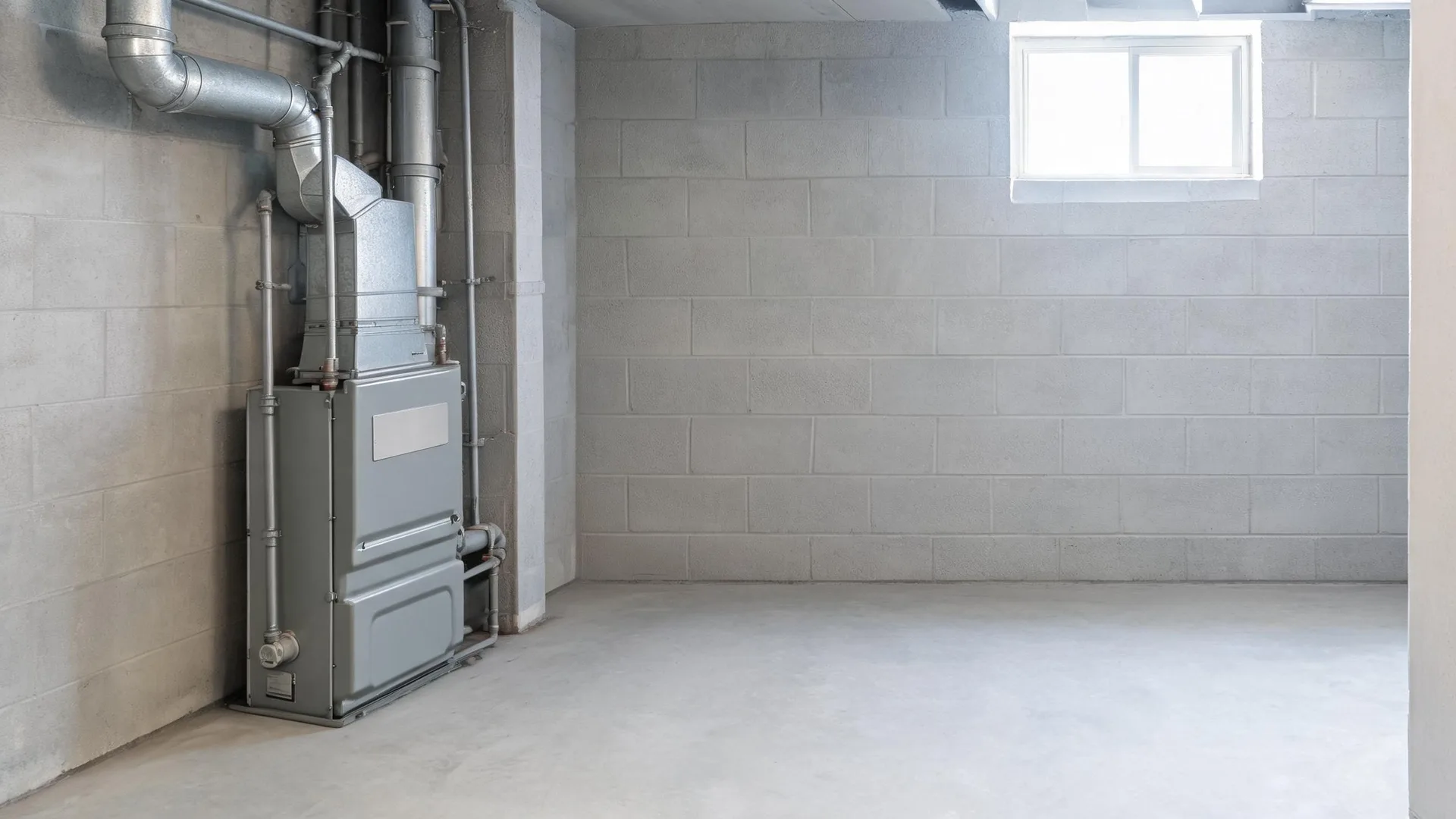
Gas is the common fuel here
Utility gas heats 52.7% of occupied homes in Prince George's County, more than any other fuel. Electricity comes next at 41.1%.
Takes about a minute. No obligation.
Utility gas heats 52.7% of occupied homes in Prince George's County, more than any other fuel. Electricity comes next at 41.1%.
If your old furnace ran on gas, a new gas furnace uses the gas line and vent already in place. That keeps the installation straightforward compared to switching fuels.
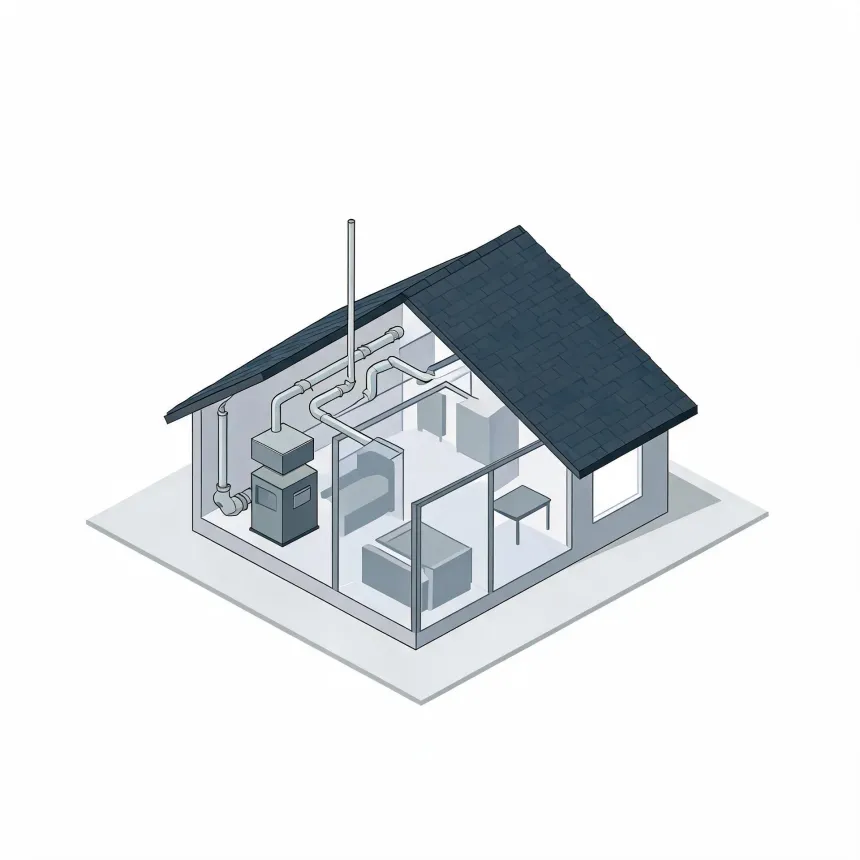
NOAA nClimDiv, 1991–2020 normals
Natural gas ran Maryland homes $15.55 per million Btu in 2024.
A high-efficiency furnace still saves on that bill, but it takes longer to pay back the difference in cost.



Furnace season here starts in October. September is the month to get a replacement done. Once the cold settles in, a failed heat exchanger or a cracked gas line becomes an emergency, and an emergency means taking whatever scheduling you can get. Replace it in September and the contractor can size it right, order the model that fits your ductwork, and get it running before you need it. Homes in Prince George's County run heat about seven months a year, October through April, so a furnace installed in September has the whole season ahead of it to prove itself before the hard cold hits.
Half the homes in Prince George's County were built in 1977 or earlier, half in 1977 or later. Either way, a standard furnace sized to your ductwork is the right call. There's no reason to pay for extra capacity or a special model here.
Find a contractor
A furnace that's too big for the house cycles on, heats the place up fast, and shuts off again before it's run long enough to warm the ductwork or mix the air evenly. Some rooms end up warm and others stay cold. All that extra starting and stopping wears on the igniter and the blower motor faster than it should. A furnace that's too small runs almost constantly in the coldest stretches and still falls behind. Sizing it right means working out the heat loss of the house itself. That means the square footage, the windows, how much insulation is in the attic and walls, and how the ductwork is laid out. The old unit's size doesn't factor into that math at all. A lot of furnaces get replaced with whatever size came out of the wall, which skips the one step that actually matters.
If the existing ducts are the right size and in good shape, a contractor connects to what's there. If they're leaky, crushed, or undersized for the new furnace's airflow, sealing or modifying them adds to the job. The vent pipe matters too. Some furnaces vent through a metal flue, others through PVC pipe out a sidewall, and switching from one to the other means new venting, not just a new furnace.
A mid-efficiency furnace vents like the old one did, through the existing flue, and the swap is usually simple. A high-efficiency furnace condenses exhaust into water, which means a drain line has to be run to a floor drain or condensate pump, and the venting is different pipe altogether. That's more labor and more parts, not just a pricier unit sitting in the same spot.
Estimates for a typical Prince George's County home, from EIA household energy data, Maryland fuel prices and NOAA climate normals. Your home will differ.
Install day starts with the old furnace coming out, not the new one going in. The contractor disconnects the gas line, the vent, the ductwork boot, and the electrical, then clears the unit out of the way before anything new gets set. Once the space is open, they can see the ductwork connection and the vent routing clearly, which sometimes changes the plan from what was quoted. Setting the new furnace means leveling it, connecting the supply and return plenums, running gas back to it, and wiring the thermostat and control board. Venting comes next, and that step takes longer on a high-efficiency unit because of the condensate line. Once it's buttoned up, the contractor fires it, checks the gas pressure, confirms the temperature rise across the heat exchanger, and makes sure airflow at the registers is even room to room. A furnace that's running but not checked against those numbers isn't a finished install.