A white wooden picket fence curves along a mown lawn in front of a row of similar gray clapboard houses with gabled roofs, backed by large leafy trees.

Furnace Installation in Salisbury, MD

Tell us about the job

Takes about a minute. No obligation.

New system or replacementFurnace or heatingWicomico County, MD
Step 1 of 2

What ZIP code is the job in?

Electricity here runs $52.34 per million Btu

Maryland's electricity costs more than in most states, and if your furnace is electric, that rate hits every month you run it. A furnace that wastes less power keeps that cost down for as long as you own it.

Efficiency is worth comparing on paper

When you're choosing between furnaces, ask for the efficiency rating on each one and do the math against Maryland's rate. The gap between a mid-range unit and a high-efficiency one shows up clearly once you price it against what power actually costs here.

7 months
October through April, your furnace is on duty
29°F
the average winter night it heats against
80% AFUE
the federal minimum any new unit must meet
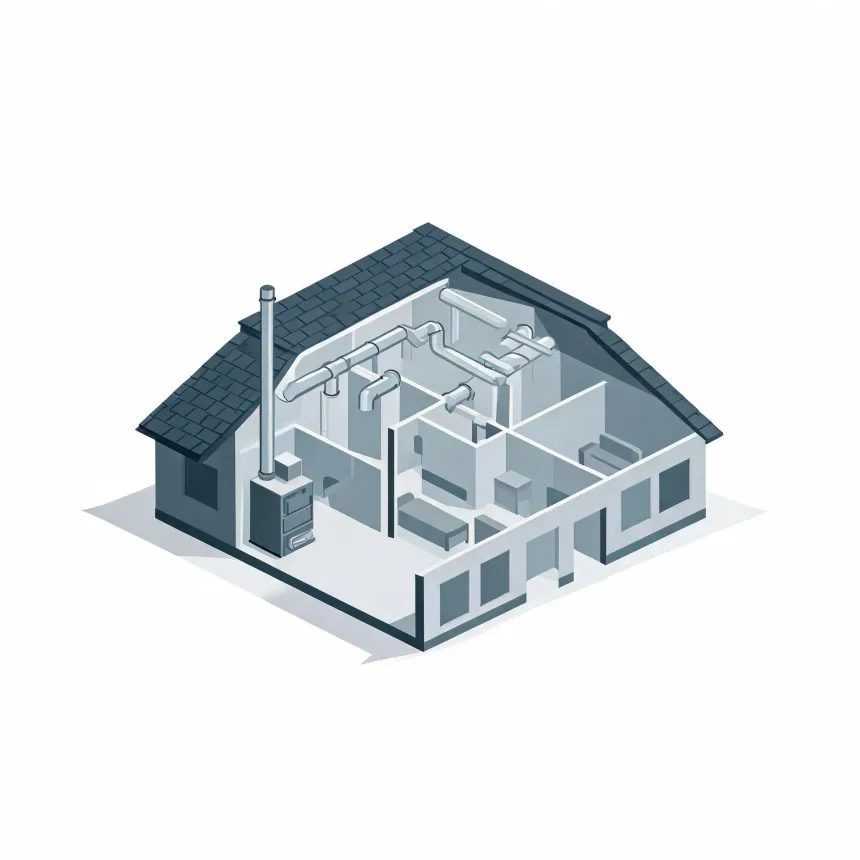
Isometric grayscale illustration of a cutaway house showing interior rooms, ceiling ductwork, a flue pipe, and a furnace unit on the left side.
Your furnace works hardest from November through March.

NOAA nClimDiv, 1991–2020 normals

Electricity heats 62.2% of homes in Wicomico County, more than gas, propane and oil combined.

If your home already heats with electricity, an electric furnace is the straightforward replacement.

Replace it in September, before heat comes back on in October

Heat runs October through April
Winter nights average 29°F
12 winter storms from 2015 to 2024

Furnace here runs about seven months a year, October through April, with overnight lows averaging 29°F through the coldest stretch of winter. That is a normal workload for a furnace, not a harsh one. A standard-sized, standard-efficiency unit sized correctly for your home will keep up through those months without strain. Wicomico County does see winter storms, heavy snow and ice among them, which is worth knowing but doesn't call for a bigger unit than your home needs. Size the replacement to your house, not to the worst week it might see.

Any furnace installed here has to meet the zone 4A minimum

Wicomico County falls in climate zone 4A, and any gas furnace installed here has to hit at least 80 percent AFUE. That's the federal minimum already, so it's worth checking that any unit you're considering clears it. A federal tax credit is available for qualifying high-efficiency furnaces, which can help offset the cost of going above the minimum.

Find a contractor
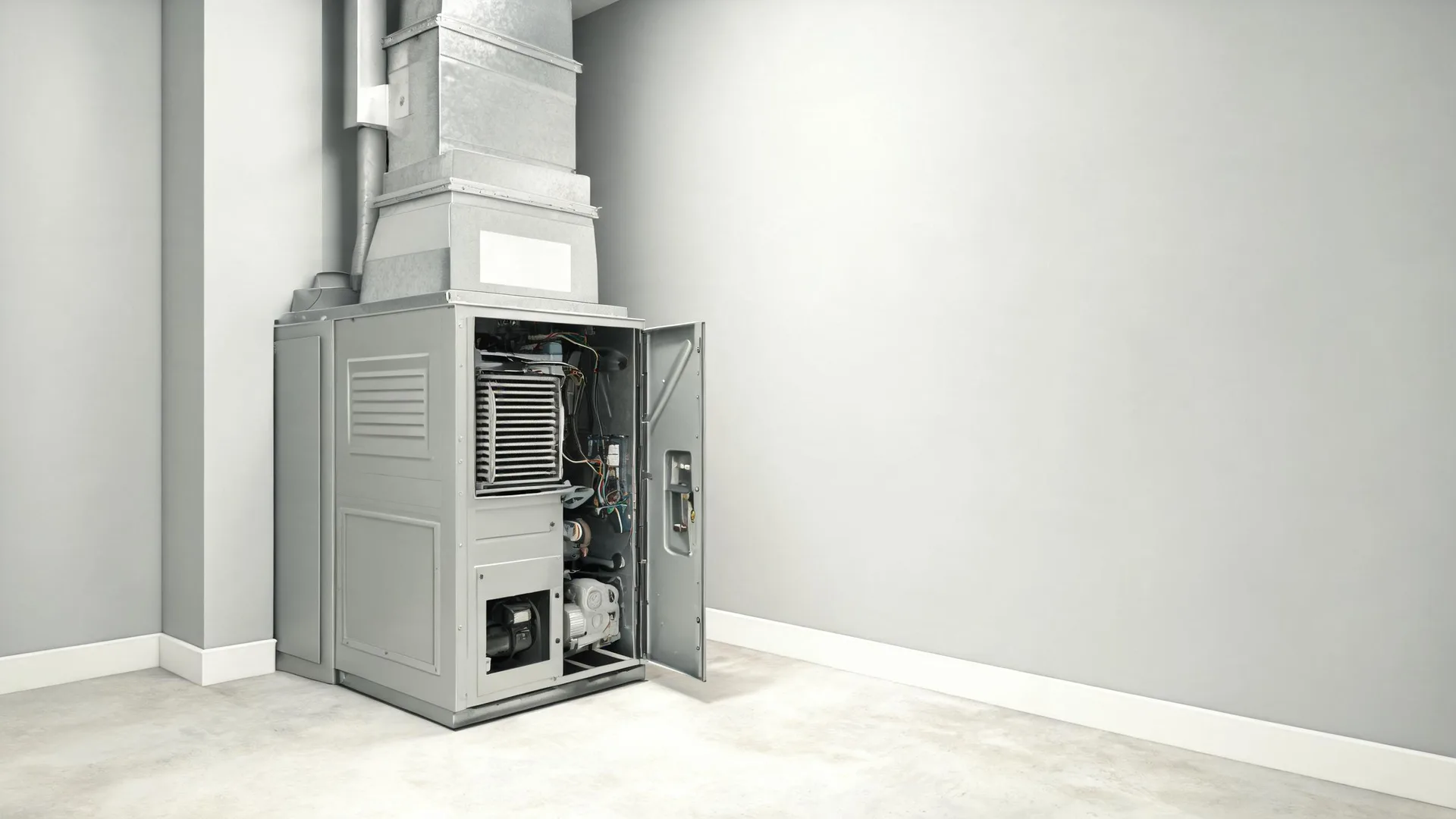
A gray residential gas furnace installed in an unfinished basement, connected to sheet-metal ductwork and PVC pipes.

The label tells you how much of what it burns becomes heat

That AFUE number on the label tells you how much of the fuel your furnace burns actually turns into heat in your house, and how much goes out the flue. A higher rating means less of what you pay for leaves through the exhaust. It does not mean the house gets warmer. A correctly sized furnace at any legal efficiency will heat the house fine. What the rating changes is how much fuel it takes to do that, month after month, for as long as you own it. A furnace that runs harder in a cold stretch feels that gap more than one that barely gets used, but the gap is there either way.

Size drives the price before efficiency does

A furnace has to be sized to the house, the ductwork and the heat loss through the walls and windows, and figuring that out takes a load calculation, not a guess based on the old unit. Oversizing costs more up front and runs the furnace in short bursts that wear out parts faster. Undersizing means it runs constantly and still can't keep up. The right size is specific to your house, and getting it right is worth more than chasing a higher efficiency rating on the wrong size unit.

The install work matters as much as the unit

Swapping a furnace rarely means connecting a new box to what's already there. The vent pipe may need to change size or material to match the new unit, the ductwork may need adjusting if the airflow requirements differ, and the gas line or electrical connection has to meet current code even if the old one didn't. A furnace that costs more but fits straight onto what's there can end up cheaper installed than one that needs the vent, ducts or line reworked to match it.

Once the new furnace is in, the old one gets disconnected from the gas line or power, the vent pipe, and the ductwork, then hauled out. A furnace is mostly steel, and the heat exchanger and blower motor are the heaviest pieces in it, so it won't go out with the regular trash. Most installers include removal and disposal as part of the job, but it's worth confirming that before work starts rather than after. If the old unit still has a working pilot or standing component and someone wants to scrap it for parts, that's a separate conversation with whoever hauls it away. Either way, the furnace that's been heating the house is not something you're left to deal with on your own once the new one is running.

The old furnace comes out first. It gets disconnected from the gas or power, the vent and the ducts, before the new one ever comes through the door. Most of the day goes to fitting the new unit to connections that were sized for a different machine. The vent pipe gets secured and sealed, the ductwork tied in, the gas line or wiring checked against current code. Once it's set and connected, the installer runs it through a full cycle, checking the flame or heat strips, the blower, and the temperature rise against what the manufacturer specifies. Gas units get checked for proper venting and combustion before anyone calls the job done. That test run is what tells you the furnace is actually sized and installed right, not just sitting there plugged in.