
Heat Pump Repair in Maryland
Electricity costs homes more in Maryland than in 37 of the other 49 states.
Tell us about the job
Takes about a minute. No obligation.
- 27°Fwinter overnight low where people live
- 7 monthsof heat, October through April
- 85°Fsummer afternoon high where people live
- 4 monthsof cooling, June through September
Maryland is not hard on heat pumps wind is the one thing to watch
- Southern counties need about 12% more cooling than northern ones
- Winter nights average 27°F where people live
- Summer afternoons average 85°F where people live
- Heat runs October through April
- Cooling runs June through September
- 370 winter storms from 2015 to 2024


Most homes here are a normal age for this kind of repair
Half the houses in Maryland were built in 1979 or earlier, half in 1979 or later, and most are detached or attached single-family houses. That is an ordinary mix, nothing that points to a harder job than usual. A heat pump acting up in a house like this is almost always down to the unit itself, a worn part or a system low on charge, not the house around it. If yours came with the house, that is worth mentioning when a contractor is figuring out what is going on.

Electricity in Maryland runs 17.86 cents per kilowatthour, more than in 37 other states. A heat pump that's low on charge or struggling to cycle right doesn't just work harder, it pulls more power doing a worse job. That cost shows up on the next bill whether or not you've called anyone.
Maryland homes that use air conditioning put an average of 6.5 million Btu (British thermal units, a measure of heat) of electricity toward it each year. A heat pump covers that same cooling load, plus heat in the winter months. When it's not running the way it should, you're paying those rates on every one of those hours, not just a few.
The switchover is when a weak part gives out
Heat pumps here switch on for cooling in June and for heat in October. Both times the system asks more of itself right at the start, and a part that was already wearing out tends to fail right then rather than in the middle of the season. If yours has been short-cycling or running longer than it used to, the end of summer or the end of winter is when that shows up worst, not the first mild week. Getting it looked at before the next switchover means a weak part gets caught before it has to carry the full load.
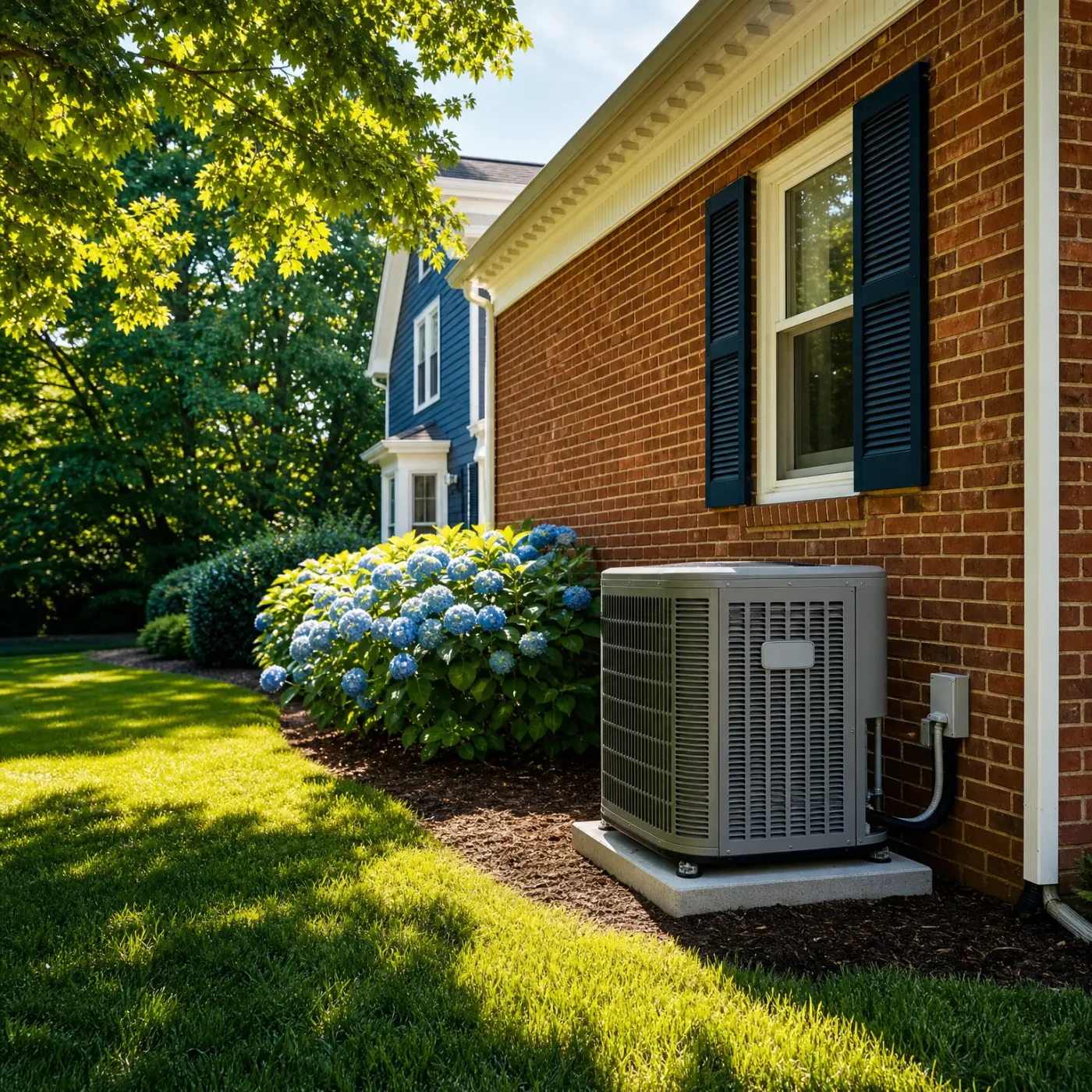
4 months of cooling, June through September
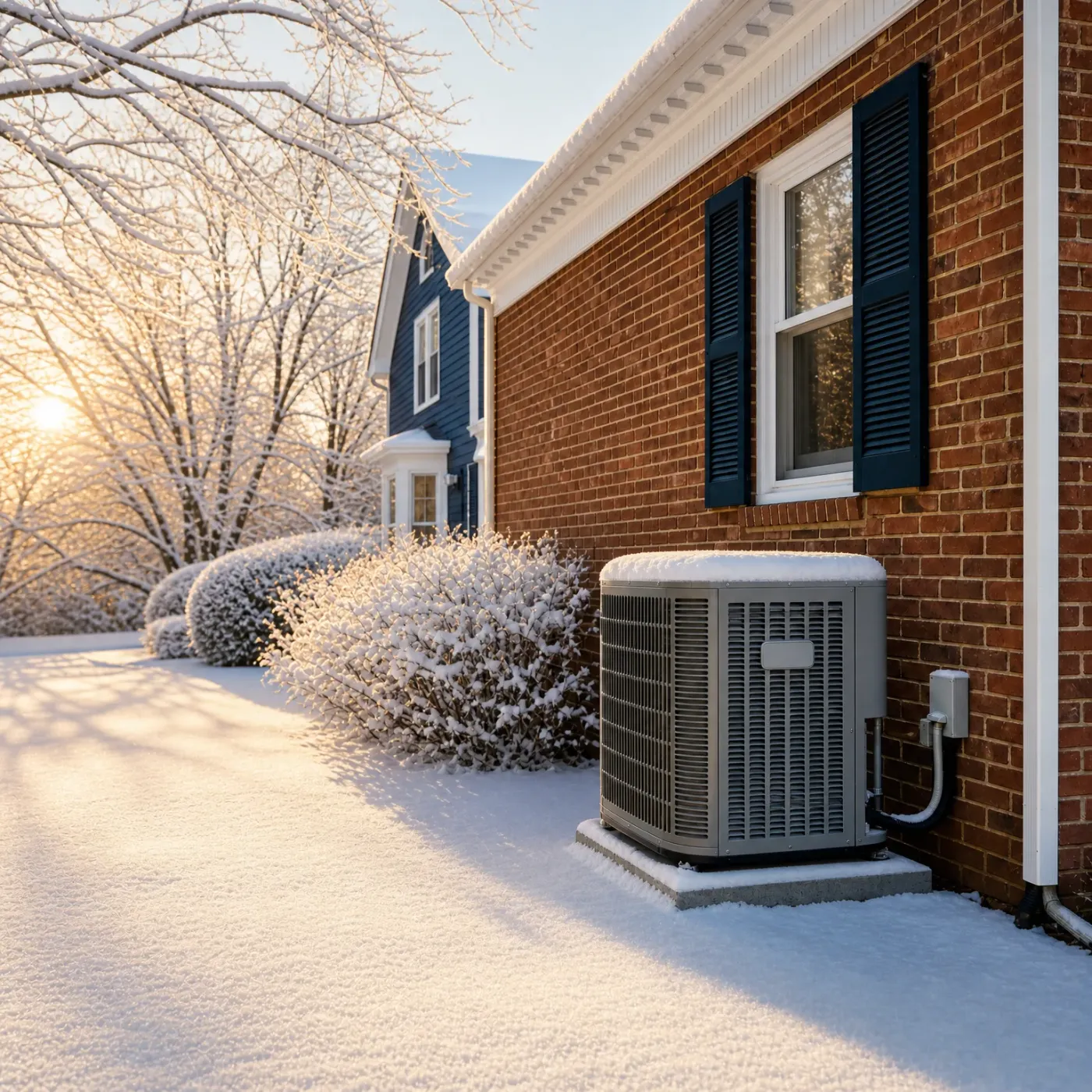
7 months of heat, October through April
Maryland's heat pumps earn their keep differently depending on where the house sits. Homes across the southern counties need about 12% more cooling over a year than homes across the northern counties, and homes in Somerset County need about four times as much cooling as homes in Garrett County, where the state's cooling need is lowest. A unit that has spent years running long cooling cycles in Somerset wears differently than one in Garrett that barely gets asked to cool at all.
Heat runs the other way. Homes across the northern counties need about 9% more heat over a year than homes across the southern counties, and homes in Garrett County need about 63% more heat than homes in Somerset County, where the state's heating need is lowest. A heat pump up north leans on its compressor through more cold months, which puts the wear in different places than a system that mostly just cycles for cooling.
Summer afternoons make the same point from another angle. Baltimore averages a high of 87°F across June, July and August, while Garrett County stays closer to 78°F. A system working against 87°F day after day is carrying a heavier load than one in the mildest corner of the state, even though both are called the same thing and rated the same way.
None of this makes Maryland especially hard on a heat pump. Wind is the thing that stands out here, not heat or cold. But where a unit sits still changes what a contractor should check first. One acting up in Somerset County is more likely carrying a cooling-side problem from steady heavy use. One struggling in Garrett County has probably been leaning hard on its heating side. Same machine, different story depending on which part of the state it's in.
What does a heat pump in Maryland face?
How hot do summer afternoons get?
85°Faverage afternoon high where people live
Alaska66°F
Arizona101°F
How cold do winter nights get?
27°Faverage overnight low where people live
North Dakota4°F
Hawaii65°F
How many months does the heat run?
7 monthsof heating a year
Hawaii0 months
Alaska12 months
What does electricity cost?
17.86¢per kWh (kilowatt hours, the unit on an electric bill), what homes paid in 2024
North Dakota11.51¢
Hawaii42.86¢
How often do storms hit?
293severe weather events per county from 2015 to 2024
Alaska5
Wyoming1,057
How many homes lost power for a day or more?
11%of homes in 2024
Arizona7%
Maine54%
A heat pump working too hard costs you before it breaks down completely
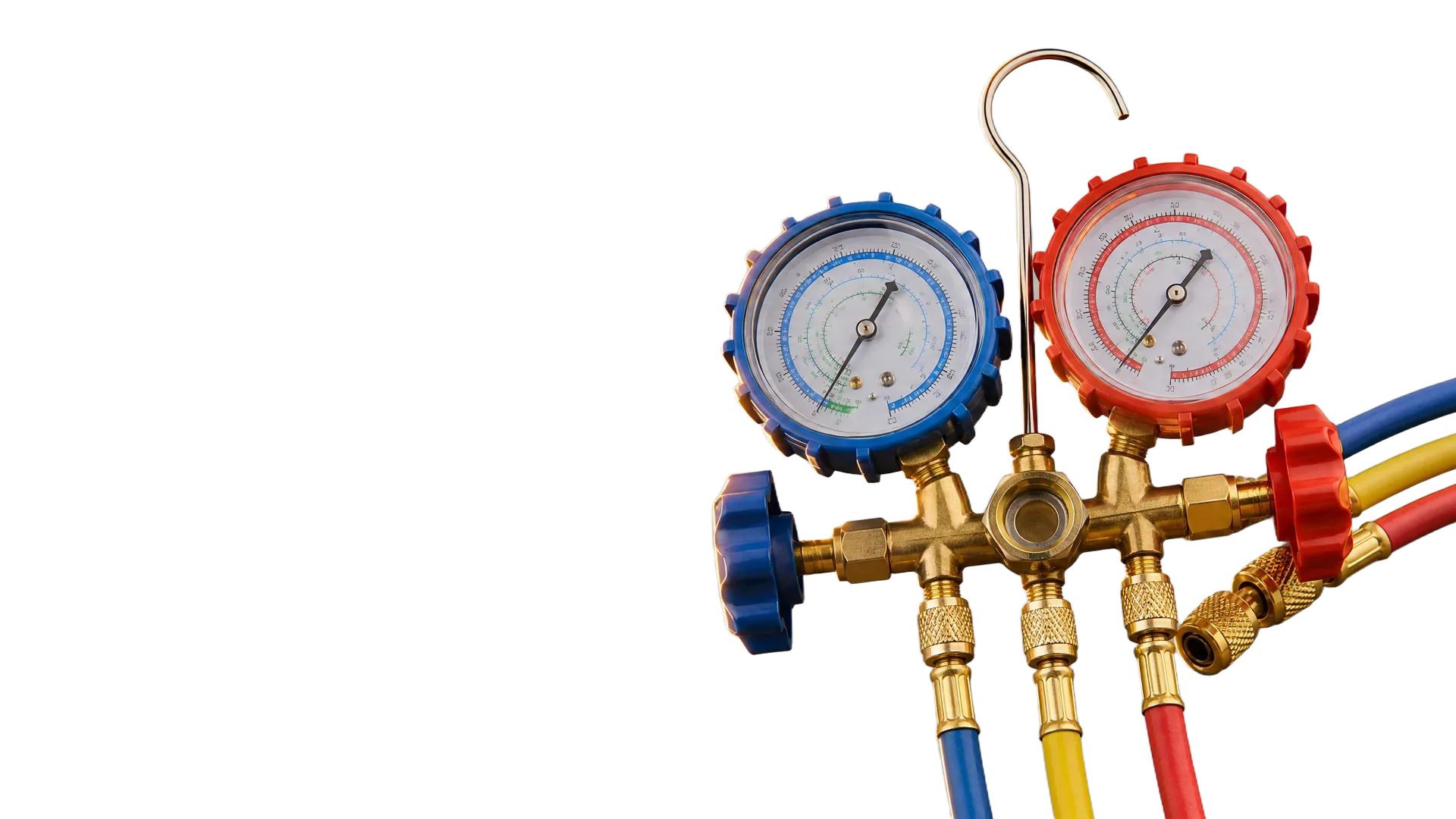
A heat pump low on charge or running a weak compressor doesn't just idle along. It keeps trying to hit the temperature you set and pulls more power failing at it than it would running right. At 17.86 cents per kilowatthour, that difference shows up on the bill every month, not as a one-time repair charge. The unit outside your house is either moving heat the way it's supposed to or working harder and longer to do less of it. A contractor can tell which with a few readings, the charge, the pressures, how long it runs before it shuts off. Worth knowing before the next bill, not after.
Running it while something's wrong wears out the part that's already failing
A heat pump that's struggling doesn't fail all at once. A refrigerant leak gets worse because every cycle pushes a little more out through the same opening, and the compressor has to work against a lower charge each time it runs. A failing capacitor puts a hard start on the compressor every single cycle, and a hard start wears the windings a little more each time until the compressor seizes or shorts. A dirty coil makes the system run longer to move the same amount of heat, and that extra runtime is extra hours of wear on a compressor and fan motor that were sized for normal cycles, not stretched ones. Ice on the outdoor coil blocks airflow, so the system pulls in less heat than it needs, runs longer trying to catch up, and the extra frost that builds up from that longer run makes the next cycle worse than the last. None of this fixes itself by running more. The part that's already weak is the one absorbing the extra strain, and it's usually the first one to go.
Your heat pump is probably dealing with a worn part or a low charge, nothing stranger than that.
Tell us about the job
Takes about a minute. No obligation.
Fill out the form once and a licensed contractor in your county calls to look at it.