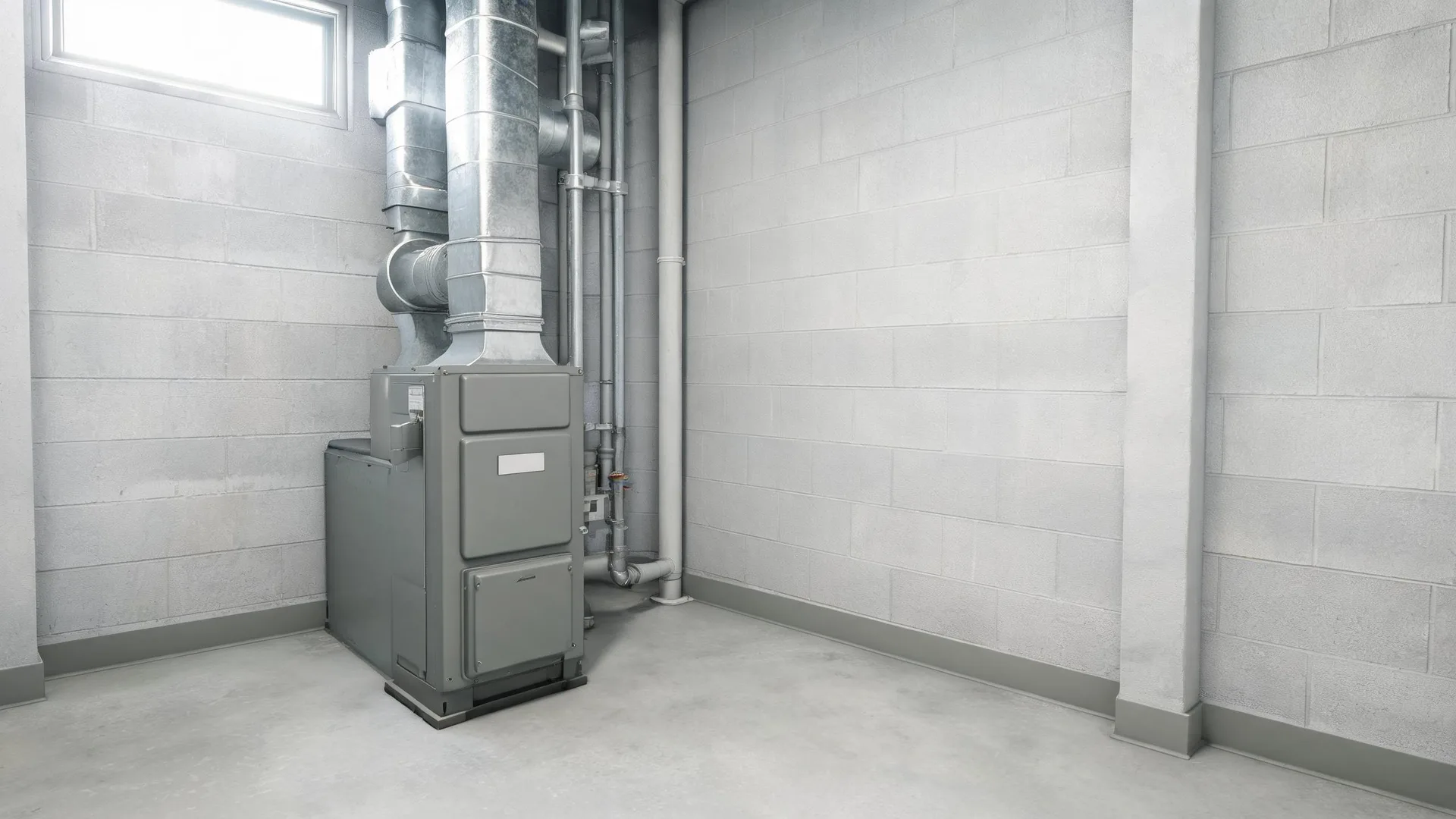
Electricity here runs $52.34 per million Btu
Maryland power costs more than in most states, and that figure comes from state energy data. A furnace that wastes less of what it burns keeps more of that cost off your bill, every month it runs.
Takes about a minute. No obligation.
Maryland power costs more than in most states, and that figure comes from state energy data. A furnace that wastes less of what it burns keeps more of that cost off your bill, every month it runs.
A new furnace is a choice you make once and then run for years. In a state where power costs this much, a higher efficiency rating means less waste on every bill the furnace is on.
NOAA nClimDiv, 1991–2020 normals
Furnaces in Frederick County start running in October.
Get it installed by September and the first cold week won't be the day you find out something's wrong.




When you sit down with a contractor, ask for the AFUE rating on each furnace they quote, not just the price. That number tells you how much of what you pay for actually turns into heat in your house. A higher rating wastes less, and here that gap shows up on every bill the furnace runs. Ask too what size the contractor recommends for your home. A furnace too big for the space cycles on and off and wastes fuel doing it.
Storms knock out power in this county more than in most, and a furnace has to come back on and run right when it does. That's not a reason to size up or spend more. A standard furnace with a solid AFUE rating handles a normal restart the same as a normal winter night. Get it installed and the part you control is covered.
Find a contractor
A furnace that's too big for the house heats the air fast, hits the thermostat setting, and shuts off before it's pulled a full cycle of air through the rooms. Then it fires up again a short while later. Each start draws more wear on the igniter and the blower motor than a full, steady run would, and the short bursts leave rooms uneven, warm near the vent and cold in the back bedroom. A furnace that's sized right runs longer at a stretch, moves air through the ductwork long enough to even out, and cycles on and off far less over a day. Getting the size right isn't a guess. A contractor works it from the square footage, the windows, the insulation and how the house is laid out, a room by room heat loss calculation, not just a number carried over from the old unit. The furnace that was in the house before may have been the wrong size too.
AFUE tells you how much of the fuel the furnace burns turns into heat in the house, and how much goes out the flue. A furnace rated higher wastes less fuel doing the same job. It has nothing to do with how fast the house heats up or how big the furnace is. A furnace can push plenty of heat and still burn more fuel than it needs to.
A higher AFUE costs more up front, and the gap between ratings shows up over years of bills, not the first winter. It won't fix a furnace that's the wrong size for the house, or ductwork that leaks air before it reaches a room. Those problems waste heat no matter what the label says. The rating is worth paying for once the rest of the installation is done right.
Taking out the old furnace is part of the job, not an extra step. A contractor disconnects the gas line and the venting, pulls the old unit out, and checks what it's leaving behind. If the vent pipe or the gas line was sized for that furnace, the new one may need different venting to run safely, especially moving to a higher AFUE rating. Higher efficiency furnaces draw combustion air differently and often vent through a wall instead of up a chimney flue. That old chimney flue, if the furnace was the only thing using it, sometimes needs a liner or a cap once nothing's venting through it anymore. None of this is guesswork on the contractor's part. It's a check they do on every swap, because the old setup was built around the old equipment.
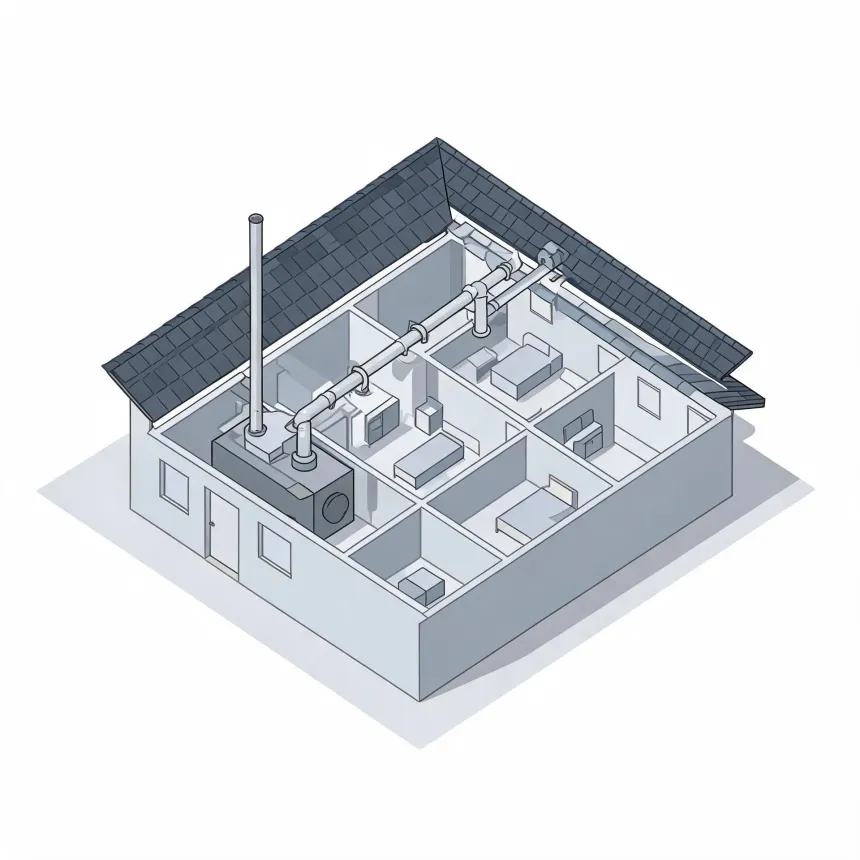
The old furnace comes out first, disconnected and hauled off before the new one goes in. Setting the new unit means running new venting or tying into the old line, connecting the gas, wiring the control board to the thermostat, and connecting the ductwork to the plenum. Once it's in place, a contractor doesn't just flip it on and leave. The gas line gets pressure tested for leaks. The vent draft gets checked to make sure exhaust is actually leaving the house instead of backing up. Airflow gets checked across the coil and through the ductwork, because too little air strains the blower and too much can keep the heat exchanger from warming properly. The last step is combustion analysis, reading the exhaust to see the furnace is burning clean and running at the efficiency it's rated for. A furnace that passes all of that is one that's actually ready for winter, not just one that's bolted in.