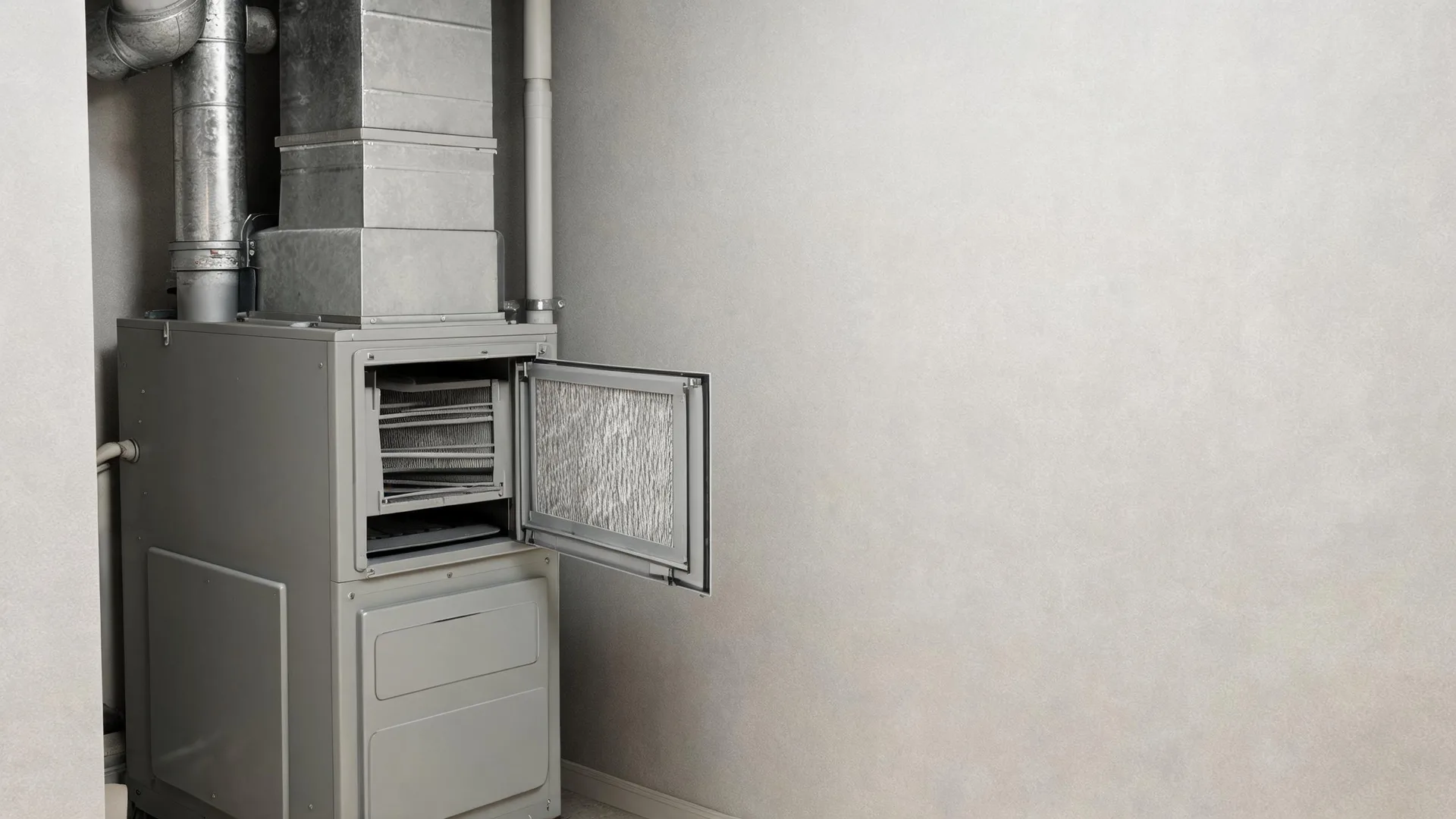
Gas is the default here
Just over half of homes in Baltimore County heat with utility gas, more than any other fuel. If your house already has a gas line run to it, a gas furnace is the straightforward replacement.
Takes about a minute. No obligation.
Just over half of homes in Baltimore County heat with utility gas, more than any other fuel. If your house already has a gas line run to it, a gas furnace is the straightforward replacement.
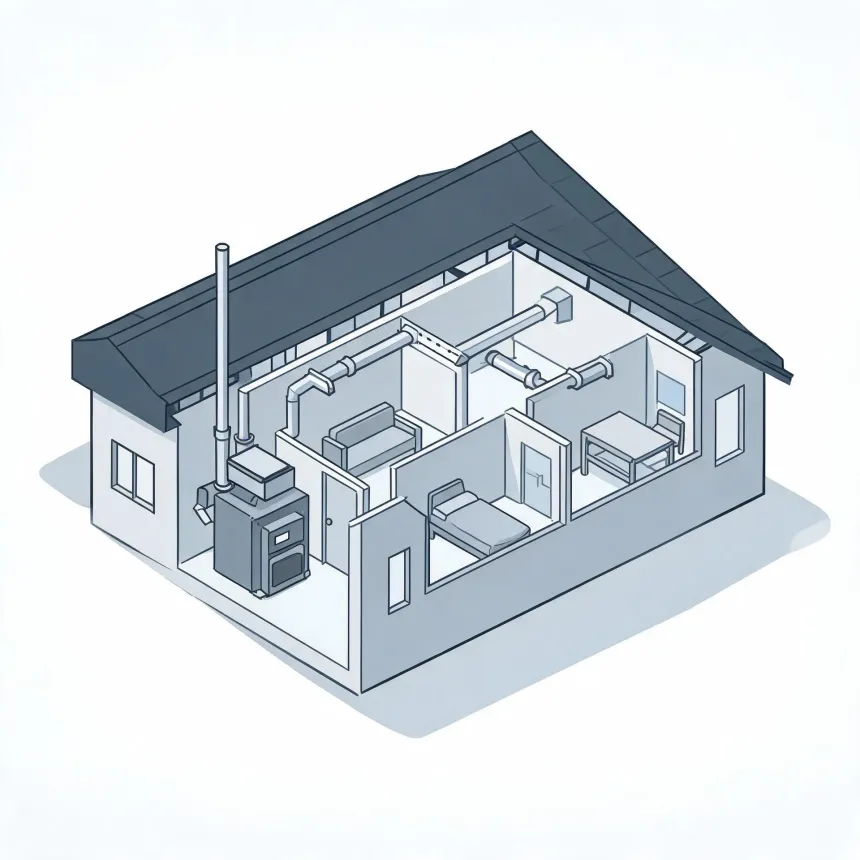
A gas furnace needs venting and a gas connection already sized for it. If your current furnace is gas, the installer is working with what's already there instead of adding new fuel infrastructure to the house.
NOAA nClimDiv, 1991–2020 normals
Half the homes in Baltimore County were built in 1973 or earlier.
An older furnace replacement has to work with the ducts and venting already in the house, not the other way around.



Baltimore County gets its share of rough weather. Damaging wind, winter storms, hail, even the occasional tornado. None of that calls for anything other than a standard furnace. A properly installed system is built to run through wind, snow and ice the same as a unit installed anywhere else in the country. What matters more is power, not the weather itself. A gas furnace still needs electricity to run its blower and controls, so if the power goes out, the furnace stops regardless of how well it's built. That's worth asking the installer about if it concerns you, but it doesn't change what furnace fits your house.
A furnace here runs from October through April, with overnight lows averaging 26°F in January. That's a normal winter load, not an extreme one, and a standard furnace sized correctly for your house handles it. There's nothing about heating here that calls for going bigger or paying more for efficiency than the house needs.
Find a contractor
Furnace here runs seven months a year, October through April. September is the last easy month to get a new one in. Once the cold hits, an installer still gets to you, but you're picking from what's available and working around whatever crew they can send. Lining it up in September means you pick the furnace and the install date, not the weather.
A furnace that's too big cycles on and off instead of running steady, and that wears out the blower and the igniter faster. An installer should walk through the house, the windows, the insulation, and the ductwork to land on a size, not just match the nameplate on the old unit.
A new furnace moves air differently than the one it's replacing, and ducts that were fine before can end up undersized or leaky for the new system. Find out if the installer is testing the duct run or just connecting to what's already there.
Estimates for a typical Baltimore County home, from EIA household energy data, Maryland fuel prices and NOAA climate normals. Your home will differ.
Installation day starts with the old furnace coming out, and that alone tells an installer things the walkthrough didn't. What the ductwork looks like once it's exposed, whether the gas line and venting are in good shape, whether the condensate line can run where it needs to. The new furnace gets set, connected to the gas line, the ducts, the venting, and the electrical, then the installer fires it up and checks it under real operation, not just a visual once-over. That means checking gas pressure, checking temperature rise across the furnace, and watching how it cycles. A furnace that looks hooked up right can still be set wrong, so the startup check is what catches a bad pressure setting or a duct leak before it turns into a cold house and a callback later. Expect the installer to walk you through the thermostat and the filter before they leave, since that's the only maintenance most homeowners ever have to think about.