




A row of illuminated white colonial houses photographed at twilight along a tree-lined road with a stone wall in the foreground.

Heat Pump Maintenance in Ocean City, MD

Tell us about the job

Takes about a minute. No obligation.

Tune-up, service, or cleaningHeat PumpWorcester County, MD
Step 1 of 2

What ZIP code is the job in?

A heat pump is just moving air across coils, and anything that blocks that airflow makes the whole system work harder. A dirty filter is the first domino. Once it chokes down, the indoor coil can't pull enough heat from the air in winter or shed enough in summer, so the system runs longer to do the same job. That same coil, when it's caked with dust, starts to ice over faster than normal in defrost cycles, and a coil that stays frozen stops transferring heat at all. The condensate drain matters too. It carries off the water the coil pulls out of the air, and if it clogs, that water backs up into the pan and sometimes into the house. None of these parts fail on their own. They fail because something upstream of them wasn't moving air or water the way it should.

Worcester County asks real work of a heat pump, but the winter lows here average 30 degrees, nothing like the deep freeze systems face further north.

A heat pump running against milder winters wears slower, so a yearly check tends to catch small problems before they become replacements.

Heat pump works hardest starting in June and October. Have it checked in May and September.

Cooling runs June through September
Heat runs October through April
45 damaging wind events from 2015 to 2024

Maryland electricity ran 17.86 cents per kilowatthour in 2024, well above the national average. A heat pump that's low on charge or dragging a dirty coil does not shut off and give up. It just runs longer to hit the same temperature, pulling more of that expensive power the whole time. A tune-up catches the low charge, the weak capacitor, the coil losing its grip on the air, before the system starts compensating by running harder. The check costs something. Letting it slide costs more, every month, for as long as it goes unchecked.

Newer homes here mean most heat pumps are worth maintaining, not replacing

Half the homes in Worcester County were built in 1985 or later. If yours is one of them, there's a good chance the heat pump still has plenty of working life ahead of it. A yearly check keeps it running the way it's supposed to instead of quietly losing ground until something gives out.

Find a contractor
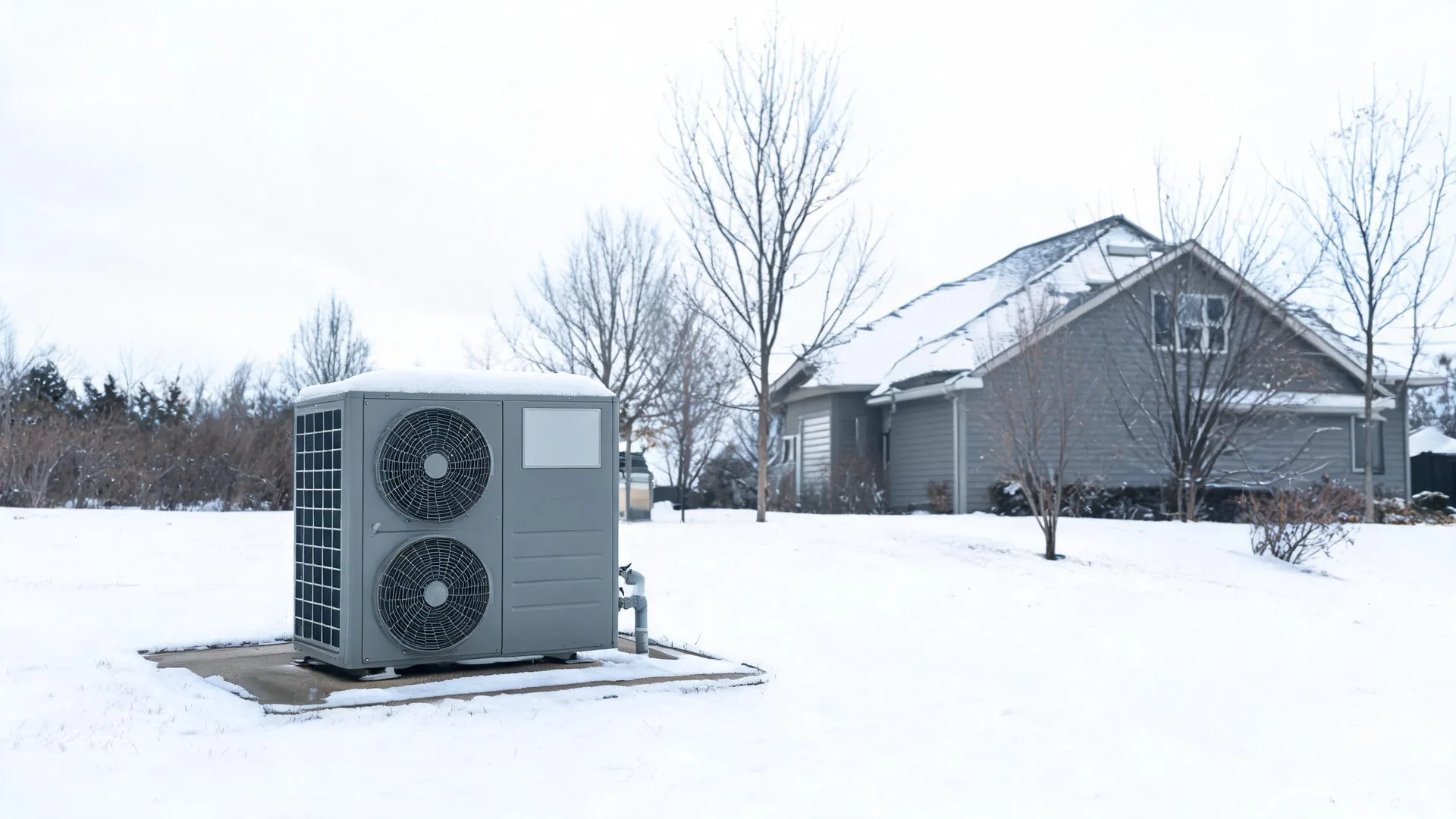
A gray heat pump outdoor unit mounted on a concrete pad next to the stone-accented exterior wall of a house.

Year-round work, milder winters

A heat pump here runs in both directions, pulling heat in winter and pushing it out in summer, so the day-into-night clip above covers a machine that rarely gets a season off. The difference is how hard it works doing that. Worcester County winters average 30 degrees overnight, not the deep cold a heat pump has to fight further north. Less strain on the compressor and the outdoor coil means parts wear slower here, and when something does go wrong it is more often age catching up with the unit than the cold breaking it down. A yearly check is still worth doing. It is the time to catch a part that is wearing out on its own schedule, before a mild winter makes it easy to ignore.

Refrigerant gets measured, not glanced at

A thorough tune-up checks refrigerant charge with gauges, against the pressures the system is supposed to run at. A quick visit might just confirm the outdoor unit is blowing cold air and call it done. Low charge left unmeasured keeps the compressor working harder every day it runs, long before anyone notices the house isn't quite comfortable.
The reversing valve has to be tested both ways

A heat pump only earns its name if it can switch between heating and cooling on command, and that switch happens at the reversing valve. A full check cycles the system into both modes and confirms it actually changes over. Skipping that step means a valve that's starting to stick won't show up until the day the season changes and the house doesn't.

A heat pump that never gets looked at doesn't fail all at once. The refrigerant charge drifts down a little at a time, and nobody notices because the system doesn't stop working, it just starts leaning harder on the compressor to make up the difference. The compressor isn't built to run under strain for months at a stretch, and it's the one part nobody wants to see fail. The reversing valve has its own quiet way of going bad. A valve that's starting to stick will still work fine on a mild day and fail on the one day it actually has to switch over, usually right when the season turns. Dust and neglect show up in quieter ways too, a coil that iced over last winter and never fully recovered, a drain that's been running slow long enough to leave water sitting where it shouldn't. None of it announces itself. It just adds up until the unit that should have lasted years doesn't.

A real tune-up starts outside, pulling the panel off the outdoor unit to look at the compressor and the wiring, not just checking that air comes out. The technician checks the capacitor, which holds the charge that gets the compressor and fan motor started, and a weak one shows up as a hard start or a motor that hums and doesn't spin. Refrigerant gets checked against the pressures the system is built to run at, not just a read on whether the air feels cold. Indoors, the coil gets inspected for dust buildup and the drain line gets flushed so water keeps moving instead of backing up into the pan. The thermostat gets tested too, confirming it's calling for heat or cooling at the right times and the system is answering correctly. A tune-up that skips any of these isn't really a tune-up, it's a glance.