White colonial-style houses with lit windows photographed at dusk along a tree-lined street.

Heat Pump Maintenance in Bowie, MD

Tell us about the job

Takes about a minute. No obligation.

Tune-up, service, or cleaningHeat PumpPrince George's County, MD
Step 1 of 2

What ZIP code is the job in?

Electricity here isn't cheap

Maryland homes paid 17.86 cents per kilowatt-hour in 2024. A heat pump that's lost efficiency, from a dirty coil or a low charge, draws more power to do the same job. That difference shows up on the bill every month it runs.


What a tune-up is worth checking here

A heat pump working harder than it should costs more in Bowie than it would somewhere with cheaper power. Catching the coil, the charge or the airflow before they drag down efficiency keeps that extra cost from building month after month.

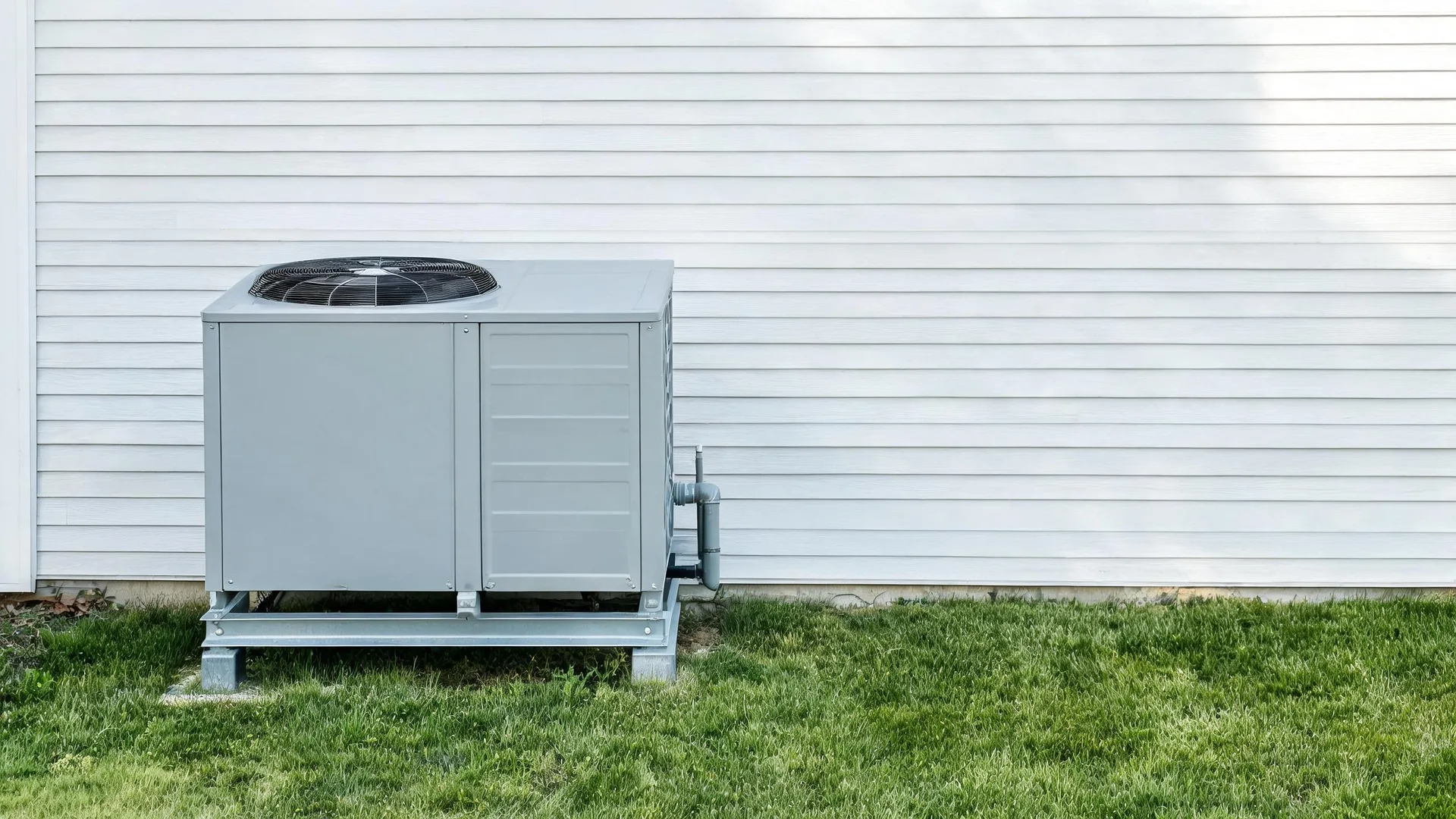
A clean outdoor coil moves heat the way it's supposed to.

Rinsing leaves and dirt off it with a hose is the one job that's really yours to do.

September is the month to get it checked, before heat runs October through April

Cooling runs June through September
Heat runs October through April
222 damaging wind events from 2015 to 2024
One visit a year covers itHalf the homes in Prince George's County were built in 1977 or earlier, half later. Age doesn't change the schedule.

Bowie doesn't put a heat pump through much. Winters average 28°F at night, not deep cold, and the summer side is a mixed, humid climate rather than extreme heat, so the compressor isn't straining hard at either end of the year. That's easier duty than a lot of the country sees. Easier doesn't mean nothing wears. The coil still collects dirt, refrigerant still slips low, and a contactor or capacitor still ages whether the system is pushed hard or not. A yearly check catches that wear early, while a repair can still fix it instead of a breakdown ending the system's life.

Catch it before it shows up on the bill

A coil that's dirty or a charge that's low makes the compressor draw more power for the same heat. At 17.86 cents a kilowatt-hour, that extra draw shows up on the bill before anything actually breaks. A yearly check catches the coil and the charge while they're still cheap to fix.

Find a contractor
A man in a cap, olive shirt and dark pants carries a canvas tool bag up concrete steps toward a dark blue front door, with a potted shrub beside the entry.
A gray heat pump outdoor unit mounted on a concrete pad next to the stone-accented exterior wall of a house.

The parts that never get a break

The filter is the cheapest part of this system and the one that causes the most damage when it's ignored. Air has to pass through it before it ever reaches the blower, and a filter clogged with dust forces the blower to work harder just to pull air through at all. That drop in airflow follows the air straight to the indoor coil, which needs steady airflow across it to do its job. Starve it and the coil can frost over even when the system is set to cool. On the outdoor side, the coil gives up heat or pulls it in depending on the mode, and dirt or leaves packed into the fins slow that exchange down the same way a dirty filter does. The condensate drain is the quiet one. It carries away the moisture the indoor coil pulls out of the air, and when it clogs, that water backs up into the pan under the coil. Most systems have a switch that shuts the whole thing down when that pan fills, so a clogged drain can stop a heat pump that's otherwise running fine. None of these announce themselves the way a failing capacitor does. They just make the system work harder, for longer, until something downstream gives out.

A quick visit checks that it runs

Someone shows up, looks at the thermostat, watches air come out of a vent, maybe checks pressure on a gauge, and leaves. The system was running before and it's running after, so the visit looks done. Nothing was measured against what it should be.

A thorough visit checks it against what it should be

Refrigerant charge gets checked against the number the system is supposed to run at, not just whether the line feels cold. The coil gets looked at and washed if it's dirty, not glanced at from a few feet away. The contactor and capacitor get tested under load, since both can look fine sitting still and still be close to failing. The reversing valve gets cycled to prove it actually switches between heating and cooling instead of waiting to find out the day it doesn't.

A heat pump usually tells you something is wrong before it quits outright. Ice building up on the outdoor unit during a heating cycle is one of the clearest signs, a little frost is normal, a thick coat that doesn't melt off during defrost is not. Air coming from the vents that feels only lukewarm, not cool in summer or warm in winter, often means the charge has dropped or the reversing valve isn't fully switching. A system that used to run in long, steady stretches and now short cycles, kicking on and off every few minutes, is working harder to do less. Listen for it too. A new rattle, a hum from the outdoor unit that wasn't there before, or a click that repeats without the system actually starting are all worth a look before they turn into a part that's failed instead of one that's failing.

A tune-up covers more ground than most people picture. The technician pulls the panel and checks the contactor and capacitor under load, since a capacitor can test weak long before it fails outright. The blower wheel gets inspected for dirt buildup, because a coated wheel moves less air even running at full speed. Refrigerant charge gets checked against the number stamped on the unit, not just by feel. The condensate drain gets cleared, since a clogged one backs up and can shut the system down on its own safety switch. Electrical connections get tightened, because a loose one generates heat and that heat damages the parts around it over time.