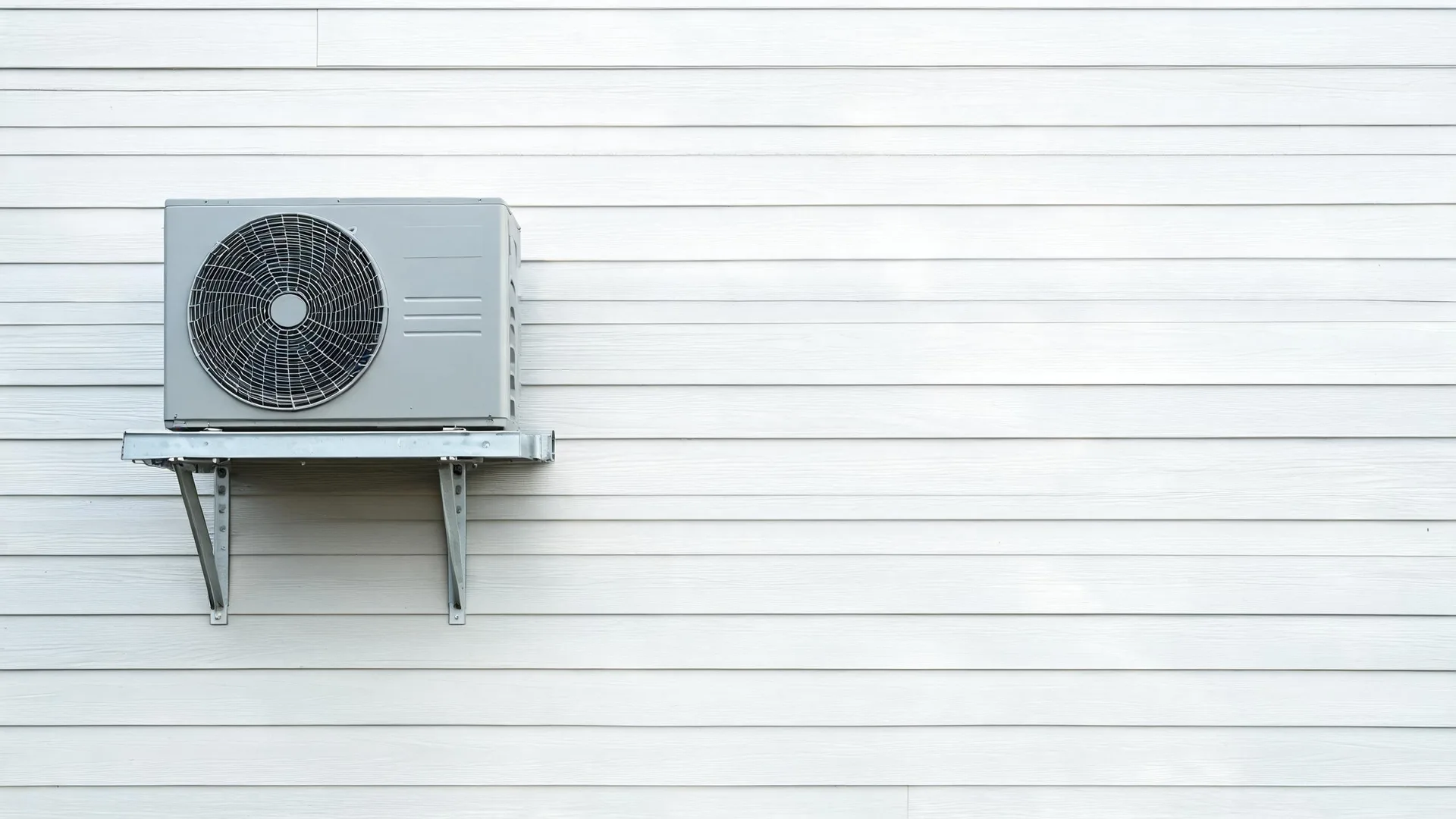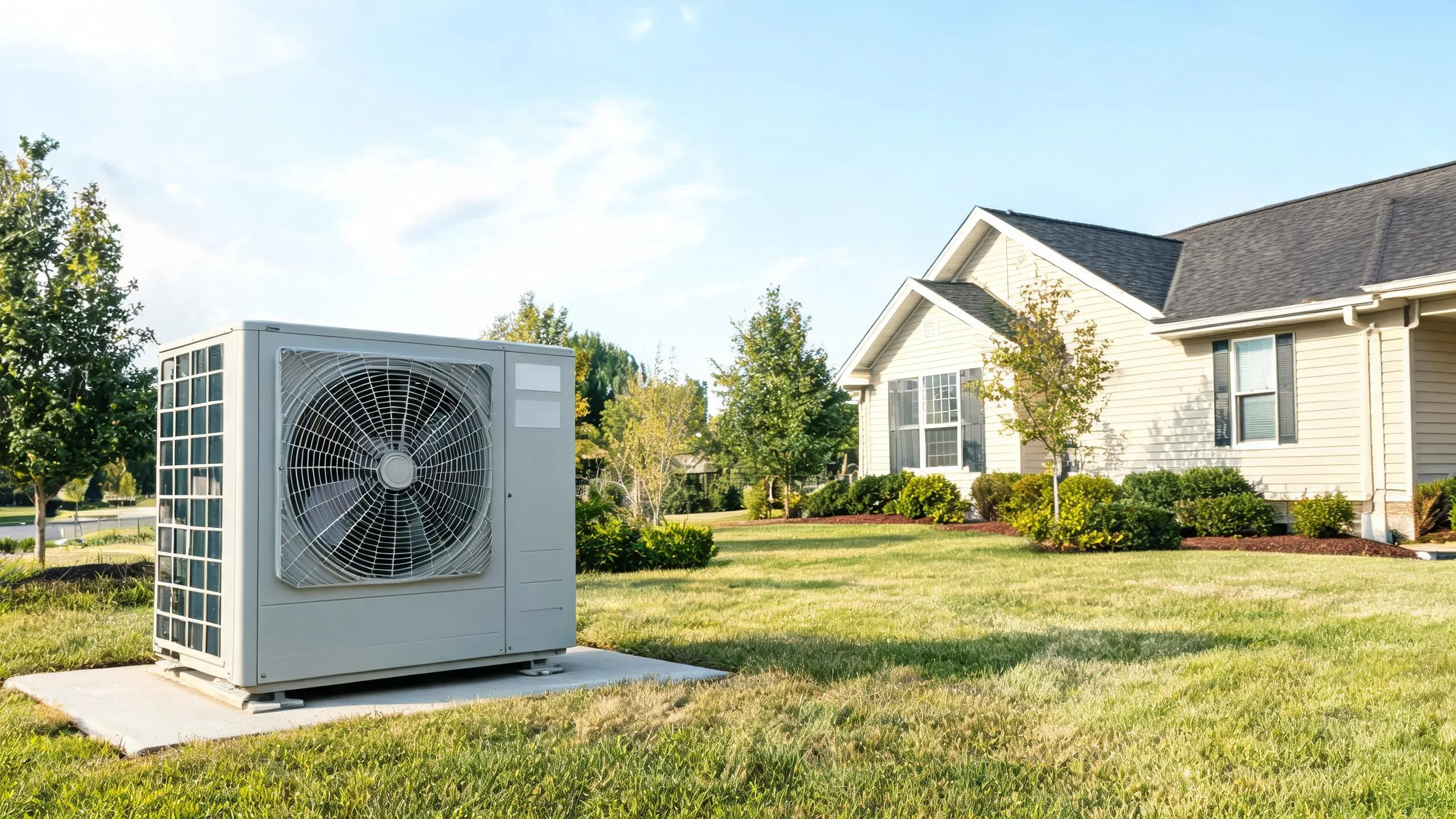
A grey heat pump outdoor unit mounted on a concrete pad in a suburban backyard, with a single-storey house visible behind it.

Heat Pump Maintenance in Easton, MD

Tell us about the job

Takes about a minute. No obligation.

Tune-up, service, or cleaningHeat PumpTalbot County, MD
Step 1 of 2

What ZIP code is the job in?

A dirty heat pump works harder for the same heat

A heat pump losing airflow or running low on charge has to run longer to keep up, and that extra runtime shows up on the meter. Maryland electricity ran 17.86 cents per kilowatthour in 2024, so a system working harder here costs more than the same neglect would somewhere cheaper.


A tune-up catches that early

A technician checking the coil, the airflow and the refrigerant charge can find what's making your heat pump work harder before it turns into a bigger repair. Catching it early keeps the system running the way it was built to, instead of quietly costing more every month it goes unchecked.

A tune-up that skips the refrigerant charge and the coil cleaning isn't a tune-up, it's a filter change with extra steps.

A real visit checks the charge against the manufacturer's numbers, pulls the panel and looks at the coil, and tests the defrost cycle before anyone calls it done.

September is the month to book, before heat runs October through April

Cooling runs June through September
Heat runs October through April
93 damaging wind events from 2015 to 2024
A newer county, a heat pump worth protectingHalf the homes in Talbot County were built in 1983 or later.

Book the tune-up before the bill tells you to. A technician who checks the charge and cleans the coil has your heat pump running the way it should before you start leaning on it. Skip that visit and a system quietly losing airflow will run longer every day to make up for it, and at 17.86 cents per kilowatthour that extra runtime adds up. The check takes an hour. The neglect costs you all winter.

Protect a system that still has years left

A heat pump installed with a newer home still has years ahead of it. A yearly check is what keeps it getting through those years without losing capacity.

Find a contractor
A dark gray heat pump unit mounted on a concrete pad next to a house with gray siding and a stone veneer wall.

Steady work, not punishing work

Your heat pump runs both sides, heat in winter and cooling in summer, and Talbot County asks real work out of both. Winters get cold enough to lean on it, with overnight lows averaging 29°F across December, January and February, but this isn't a place where the system fights extreme heat or extreme cold for months on end. That's a steadier load than a lot of climates put on a heat pump. The wear it sees tends to come from something going unchecked rather than the weather wearing it down.

The reversing valve only shows its problem one way at a time

A heat pump that heats fine in summer mode can still have a reversing valve sticking when it's asked to switch. A technician tests it both directions, heating and cooling, because a valve that works one way can fail the other and nobody notices until the season changes.

Frost on the outdoor coil doesn't mean what it looks like

Some frost in the defrost cycle is normal. A coil that stays frosted or ices up heavy points to low airflow or a charge that's off, and the defrost board itself can fail without any obvious sign until the unit is running on ice.

Skip the yearly check and nothing fails right away. That's what makes it easy to put off. A capacitor that's starting to weaken still spins the fan, just slower, and a charge that's drifted low still makes cold air, just not as much of it. The system doesn't announce any of this. It just quietly shifts more of the load onto parts that were never meant to carry it alone, a motor working past where its bearings are happy, a compressor cycling more than it should. By the time something actually stops, it's usually the part that was already weakest, not the part that was actually wrong. A tune-up is what finds the real problem before it picks which part fails first.

A proper tune-up starts outside, with the fan and coil pulled apart enough to check the motor bearings and the capacitor that gets it spinning. Refrigerant charge gets checked against the manufacturer's numbers, not just topped off and called good, because a charge that's off in either direction makes the whole system work harder. The reversing valve gets tested both ways, heating and cooling, since a valve that switches fine one direction can still stick the other. Electrical connections get checked for anything loose or corroded, because a connection that's starting to fail will heat up and fail faster. The defrost cycle gets tested too, not just looked at, since a board that triggers defrost too often or not enough will either waste heat or let the coil ice over. Skip any one of these and the rest of the visit is just a filter change with extra steps.