




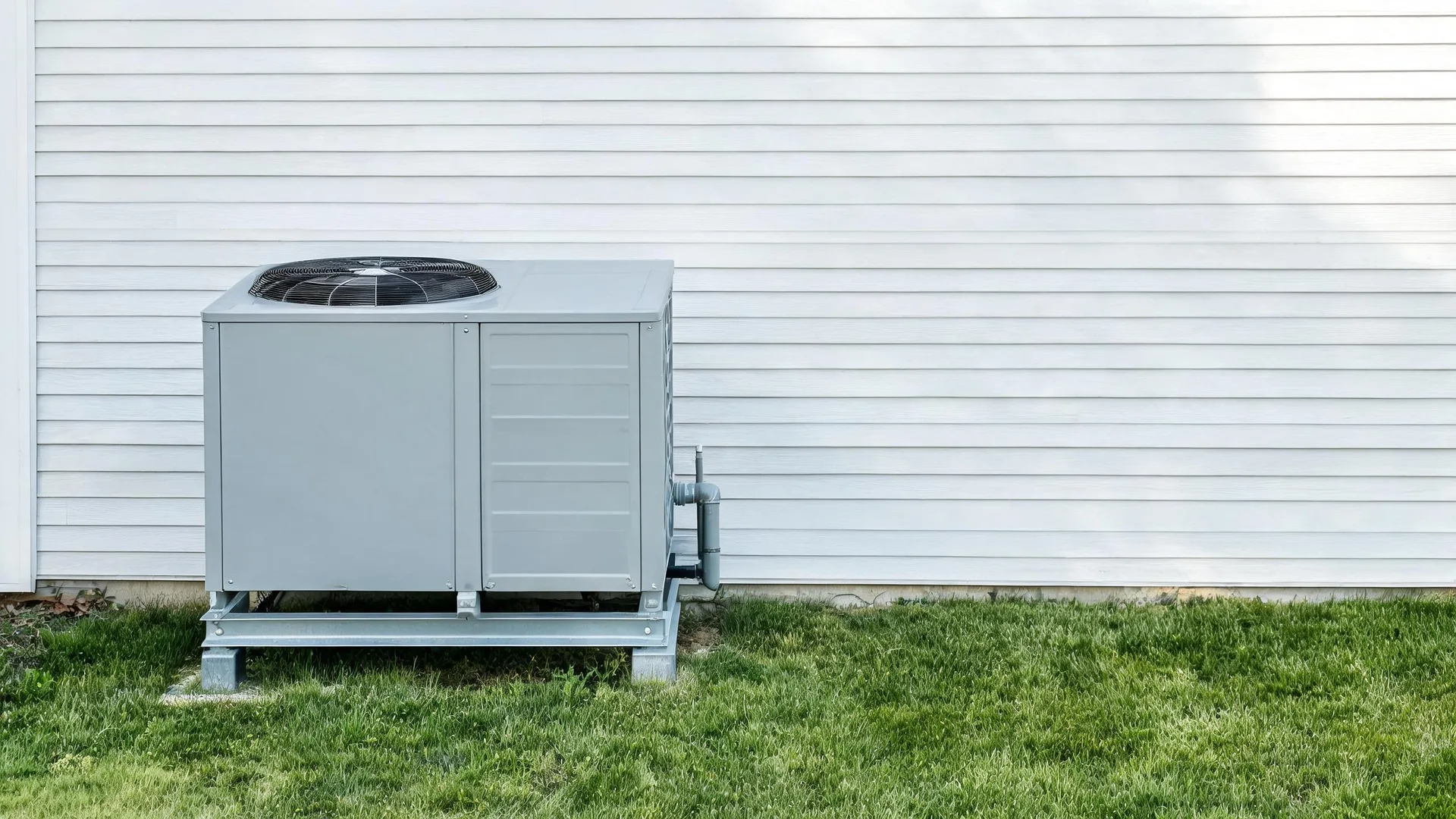
An outdoor heat pump unit mounted on a concrete pad in front of a two-story suburban house.

Heat Pump Maintenance in Annapolis, MD

Tell us about the job

Takes about a minute. No obligation.

Tune-up, service, or cleaningHeat PumpAnne Arundel County, MD
Step 1 of 2

What ZIP code is the job in?

A heat pump loses efficiency slowly, so most people never notice the slide. Dirty coils, a weak charge, a clogged filter, all of it makes the system run longer to hit the same temperature. In Maryland, where electricity ran 17.86 cents per kilowatthour in 2024, that extra runtime shows up on the bill fast. A heat pump that's maintained holds its efficiency closer to what it had on day one. Skip the maintenance and you're paying Maryland's rates for a machine working harder than it should.

Anne Arundel County logged 248 damaging wind events between 2015 and 2024.

A heat pump that's been checked over once a year holds up through that better than one nobody's looked at since it was installed.

A once-a-year checkup covers what this climate asks of it

248 damaging wind events from 2015 to 2024
22 hail events from 2015 to 2024
Power costs 17.86 cents a kWh statewide

Get it running efficiently before another season adds to the bill

A heat pump that's already working harder than it should is spending more of every kilowatthour at 17.86 cents just to keep up. A yearly check gets it back to running the way it did on day one.

Find a contractor
A gray heat pump outdoor unit mounted on a concrete pad next to the stone-accented exterior wall of a house.

A newer system is worth protecting from year one

A system with most of its life still ahead of it is worth keeping on a yearly schedule from the start, not after something goes wrong with it. Catching a dirty coil or a weak charge early keeps the compressor from working harder than it needs to, year after year. The time-lapse shows the same unit running day into night, through one stretch of weather. Multiply that by the years a newer system has left, and the case for checking it once a year gets stronger, not weaker.

The compressor carries the weight

A refrigerant charge that's drifted low or a coil caked with dirt makes the compressor work harder to keep the house at the set temperature. A compressor can run that way for a long time without failing outright. What usually ends it is the strain adding up quietly until it seizes or burns out, and it's the one part in the system that can't be patched, only replaced.
The signs are easy to miss

A heat pump low on charge or short on airflow doesn't trip a breaker or shut itself off. It just runs longer to reach the set temperature, cycling more than it used to. Nobody's standing there timing it, so the longer runtime blends into the background until the compressor gives out and forces a closer look.

A quick visit usually means someone glances at the outdoor unit, checks that it's blowing air, and leaves. A thorough one means the panels come off. The tech checks refrigerant charge against what the system calls for, not just whether it's blowing cold. They'll pull the filter and look at the coil itself, not just ask if it's been changed. A real tune-up includes checking the reversing valve, since that's the part that lets a heat pump switch between heating and cooling, and a sticking valve won't show up unless someone tests it in both modes. They'll also check the electrical connections and capacitor, since a weak capacitor strains the compressor long before it fails outright. If the visit takes long enough to do all that, it's doing something. If it's over in a few minutes, it probably skipped most of it.

A real tune-up starts outside, not in. The tech clears debris from around the outdoor unit and checks that the fan spins freely, because anything blocking airflow there makes the whole system work harder on both sides of the year. Indoors, the blower wheel gets checked for dirt buildup, since a dirty wheel moves less air even when the filter is clean. The tech also checks the thermostat calibration against the actual temperature in the house, since a thermostat reading a few degrees off will cycle the system at the wrong times all season. Drain lines get checked too, since a clogged line backs up and can shut the system down or damage the parts around it. None of this is dramatic work. It's the kind of checking that only matters because it's done every single time.