Electricity here isn't cheap
Maryland homes paid 17.86 cents per kilowatthour in 2024. A heat pump that has to work harder to heat or cool the same house is spending more at that rate every time it runs.
Takes about a minute. No obligation.
Maryland homes paid 17.86 cents per kilowatthour in 2024. A heat pump that has to work harder to heat or cool the same house is spending more at that rate every time it runs.
When the coil or filter is clogged, the heat pump takes longer to reach the temperature on the thermostat. Every extra minute it runs gets billed at that rate.
Your heat pump switches over to heat in October and runs that way through April.
September is when to get it checked, before it has to carry the first cold month.




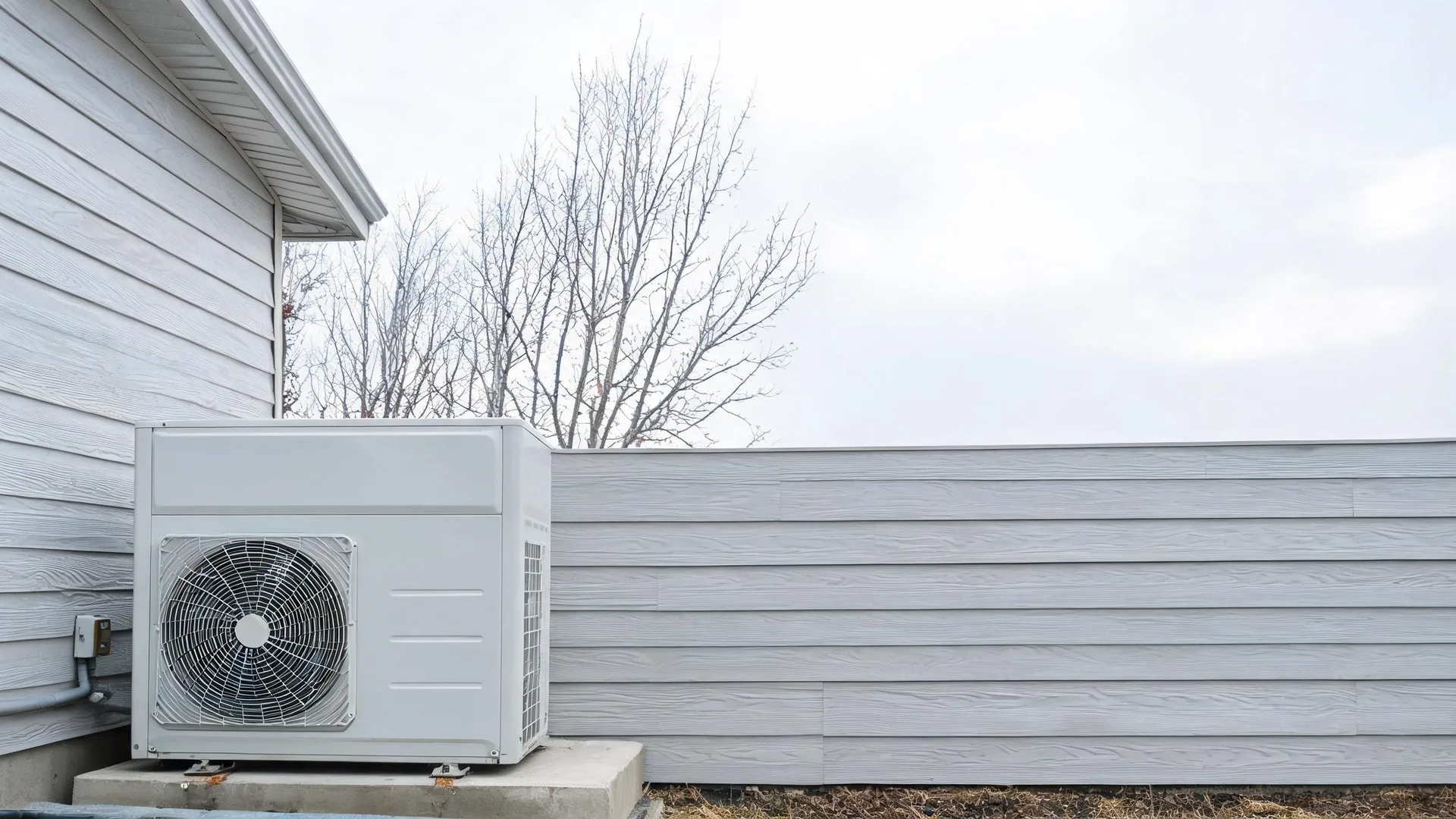
A quick visit means someone glances at the outdoor unit, checks the thermostat responds, and leaves. A thorough one means the panels come off. The tech checks refrigerant pressure against what the system calls for, not just whether it's blowing cold or warm. They check the reversing valve actually shifts the system between heating and cooling, since that's the part unique to a heat pump and the part most likely to get skipped. They pull the filter and look at the coil behind it, because a coil caked in dust acts like a blanket over the system's ability to move heat. They check the defrost cycle on the outdoor unit, since a heat pump that can't clear frost off itself in winter loses capacity fast. If nobody opens the cabinet or asks about the reversing valve, it was a quick look, not a tune-up.
A heat pump that's running longer than it should is costing more every day it goes unchecked, at 17.86 cents a kilowatt-hour. Getting it looked at now is what stops that.
Find a contractorA heat pump runs both directions, all year, so there's no slow season where it catches up on itself. Skip a filter change and the coil behind it starts collecting dust it never sheds. That dust acts like a blanket, and the system has to move more air through less airflow to get the same heat or cold into the house. The motor driving that air runs longer to make up for it, and bearings wear on hours, not seasons. The reversing valve is the part that's easy to forget because it only earns its keep at the switchover between heating and cooling. Left unchecked, it can start sticking, and a valve that doesn't fully shift leaves the system heating and cooling against itself without anyone noticing until the house won't hold a temperature. The defrost cycle is the same story. It only has a job to do when the outdoor coil frosts over, and if the sensor that triggers it has drifted or failed, the coil stays frosted, and a frosted coil can't pull heat from the air no matter how long the system runs. None of this looks like a breakdown at first. It looks like a heat pump that runs a little longer than it used to.
Air has to pass through the filter before it reaches the coil. Once the filter loads up with dust, some of that dust gets past it and settles straight onto the coil fins. A dirty filter is easy to catch. A dirty coil behind a clean-looking filter is not, and by the time someone checks it, the coil may need a real cleaning instead of a quick wipe.
Warm air moving across the indoor coil drops moisture, and that moisture has to go somewhere. The condensate drain carries it out. Algae and sludge build up in that line slowly, with no sign anything is wrong, until the line clogs and water backs up into the pan or the cabinet instead of outside. A clear drain is nothing to look at. A blocked one shows up as water where it shouldn't be.
A tune-up turns up things a homeowner has no way to see from the thermostat. Refrigerant charge is one. A system can be low on charge and still blow air that feels fine at the vent, while it quietly runs longer and strains the compressor to get there. Electrical connections are another. Screws on a contactor loosen as the system heats and cools over and over, and a loose connection builds resistance and heat right at that point until it fails. A tech also checks amp draw on the compressor and fan motor against what each one is rated for, because a motor pulling more current than it should is wearing out before it trips anything or shuts down. None of this shows up as a symptom yet. It shows up later as a breakdown that looks sudden but wasn't.
A tune-up has a set order because skipping a step just hides the next problem. The tech starts outside, checking that the outdoor fan spins freely and the coil fins aren't bent flat, since bent fins choke airflow the same as dirt does. Next comes the refrigerant check, done with gauges against the system's rated pressures, not guesswork at the vent. Electrical terminals get tightened, because a connection that's merely snug today works loose after enough heating and cooling cycles. The condensate line gets flushed so it drains freely instead of waiting to clog. Then the thermostat gets a real test, calling for heat and then cooling and watching the system respond to both, since a heat pump that answers one call but not the other has a reversing valve problem hiding behind a thermostat that looks fine. Each step only matters because the one before it was done right.