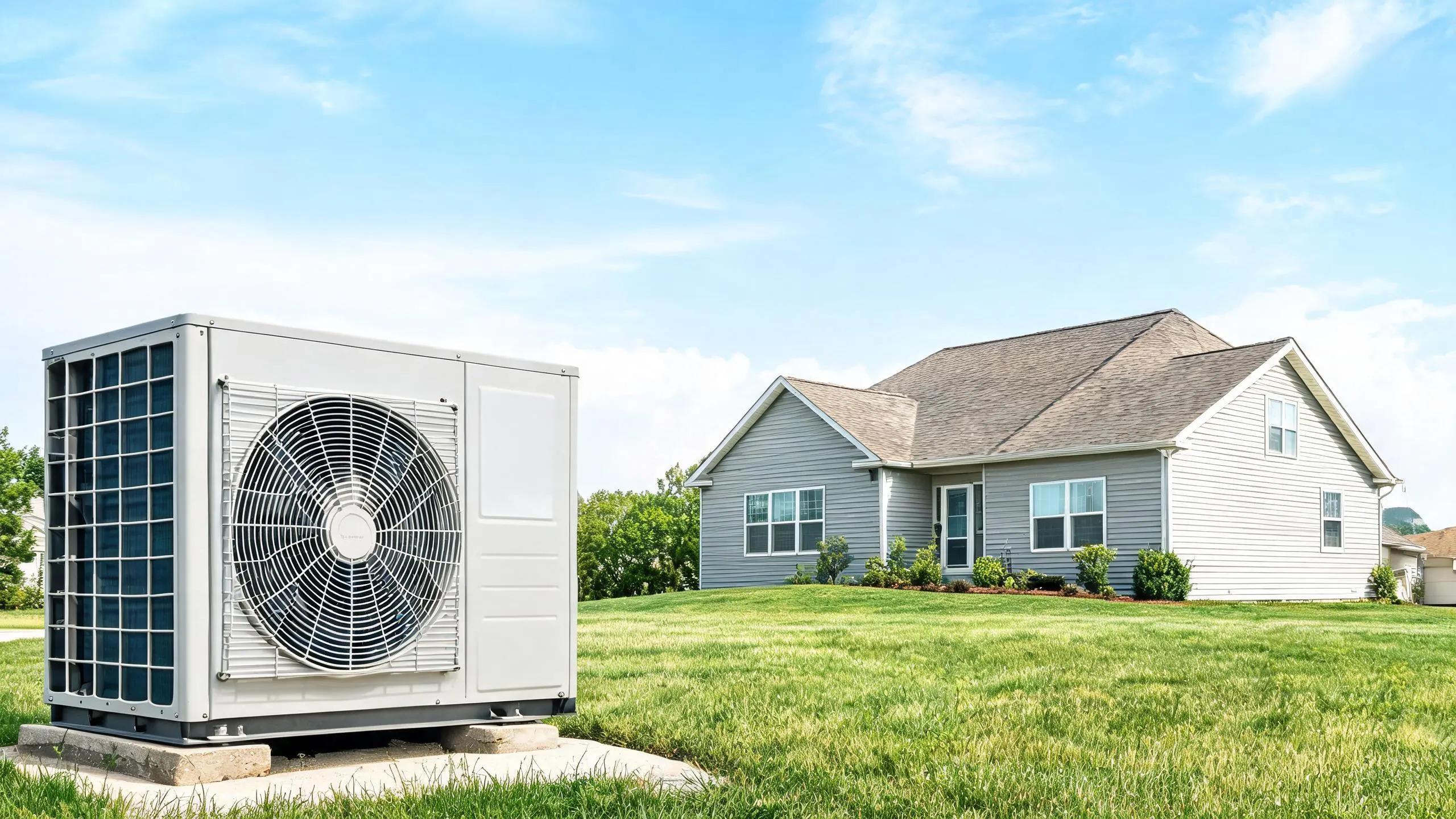





An outdoor HVAC condenser unit on a concrete pad in front of a single-story house with gray siding and a shingle roof.

Heat Pump Maintenance in Princess Anne, MD

Tell us about the job

Takes about a minute. No obligation.

Tune-up, service, or cleaningHeat PumpSomerset County, MD
Step 1 of 2

What ZIP code is the job in?

Half the homes in Somerset County were built in 1986 or later. That's a lot of heat pumps still well within their working life. A yearly check on a system that age isn't about catching something failing, it's about keeping it from becoming something that fails early. The coil stays clean, the refrigerant charge stays correct, the electrical connections stay tight. None of that reverses age on an older unit, but on a newer one it keeps the clock from running faster than it should.

Somerset County asks real work of a heat pump in both directions, humid summers and cold winters alike, but it's not punishing either way.

A heat pump working two moderate seasons instead of one brutal one wears slower, which is exactly why a yearly check catches trouble early instead of chasing it.

September is the month to get it looked at, before heat runs October through April

Cooling runs June through September
Heat runs October through April
11 winter storms from 2015 to 2024
Power here costs moreMaryland homes paid 17.86 cents per kilowatt-hour in 2024, and a neglected heat pump burns through more of them.

A heat pump that needs a check doesn't usually announce it. Watch for short cycling, where the system kicks on, runs a few minutes, and shuts off before it's done any real heating or cooling. That's hard on the compressor. Listen for it running longer than it used to just to hit the same temperature, which points to a coil that isn't transferring heat the way it should. Warm air coming out during heating mode, or cool air during cooling mode, can mean the reversing valve isn't switching cleanly. Ice building up on the outdoor coil and staying there past a normal defrost cycle is another one worth a call, not a wait. None of these mean the system is about to fail. They mean it's time to have someone look before it does.

Keep a newer heat pump running like one

A yearly check is a small job on a system that still has most of its life ahead. Get the coil, the charge and the connections looked at now, while nothing is wrong, and keep it that way.

Find a contractor
A gray heat pump outdoor unit mounted on a concrete pad next to a residential house with lap siding and stone accents.

Skipped checks don't break a heat pump, they wear it down early

Skip enough checks and a heat pump doesn't fail all at once. It drifts. The coil picks up a thin layer of dust and pollen, airflow drops a little, and the system runs longer to move the same heat. Run it like that for a few seasons and the compressor is working harder every single cycle, which is the part nobody wants to replace. A low refrigerant charge does the same kind of quiet damage. The system still runs, still blows air, so there's no obvious sign, but the compressor is pulling more than it should to make up for it. By the time the unit struggles to keep up or won't switch over from heat to cooling, the wear is already done. None of that shows up as a breakdown right away. It shows up as a shorter life.

A quick visit checks that it runs

A fast tune-up gets the system blowing air and calls it done. The tech glances at the pressure, listens for anything loud, and moves on. That tells you the heat pump turns on. It doesn't tell you whether the coil is clean enough to transfer heat properly or whether the refrigerant charge is where it should be.
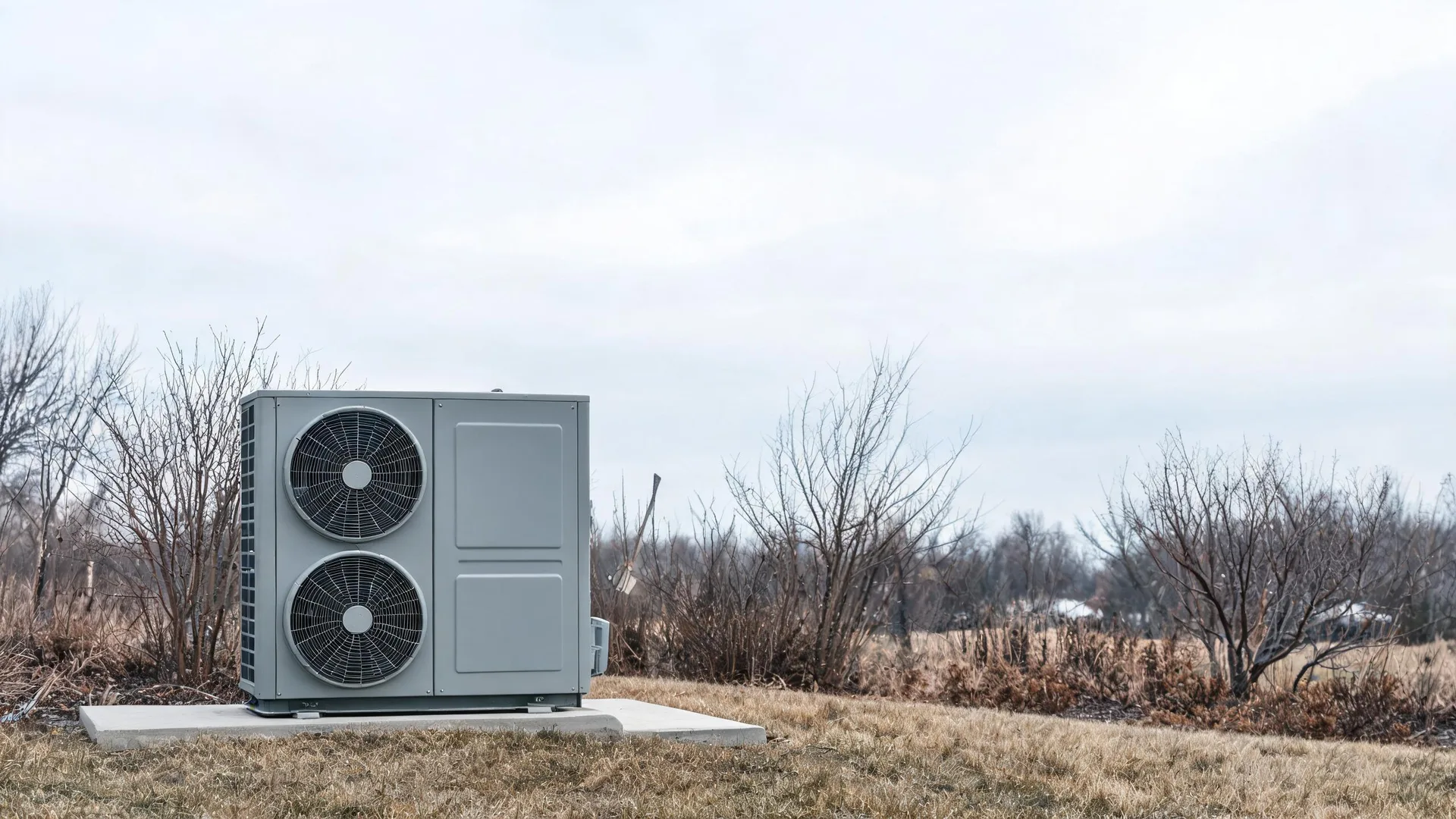
A thorough one checks why it runs well

A real tune-up means pulling the panels, washing the outdoor coil, checking refrigerant charge against the manufacturer's numbers, and testing the defrost cycle so it actually kicks in when ice builds up. It means tightening electrical connections that loosen from vibration over time and checking that the reversing valve switches cleanly between heat and cooling. Ask what was actually measured, not just whether the system started up.

Between visits, the filter is the one thing worth checking yourself. A dirty filter chokes airflow across the indoor coil, and the system makes up for it by running longer to move the same heat. Look at it monthly and swap it when it's gray instead of white. Outside, keep the area around the outdoor unit clear. Leaves, mulch and overgrown shrubs block airflow across that coil the same way a dirty filter blocks the one inside. After snow or ice, check that the outdoor unit isn't buried or capped, since it needs open airflow to pull heat from the outside air even in cold weather. None of this replaces a technician checking refrigerant charge or the defrost cycle, but it keeps the system from working against itself between those visits.

A reversing valve is what makes a heat pump different from a plain air conditioner, and it's worth asking a tech to check it specifically during a tune-up. It's the part that switches the system between heating and cooling, and when it sticks, the unit can get stuck blowing the wrong temperature air no matter which mode it's set to. A tune-up also covers the defrost sensor and board, which decide when the outdoor coil needs to shed ice and when it doesn't. If that timing is off, the coil either stays iced over too long or defrosts when it doesn't need to, and either way the system works harder than it should. The tech should also check the contactor and capacitor, the parts that get the compressor started and keep it running smoothly, since a weak one can drag down the whole system without actually stopping it. A full check also means measuring airflow at the indoor coil, not just looking at it, because low airflow strains the compressor even when the coil looks clean.