A row of white Colonial-style houses with glowing windows photographed at dusk along a road bordered by a stone wall.

Heat Pump Maintenance in Leonardtown, MD

Tell us about the job

Takes about a minute. No obligation.

Tune-up, service, or cleaningHeat PumpSt. Mary's County, MD
Step 1 of 2

What ZIP code is the job in?

Keep the filter clean

A dirty filter blocks airflow across the indoor coil, and a heat pump needs that airflow to move heat in either direction. Check it on a regular schedule and replace or wash it whenever it looks gray or clogged. This is the one thing a homeowner controls that affects the whole system.


Watch the outdoor unit

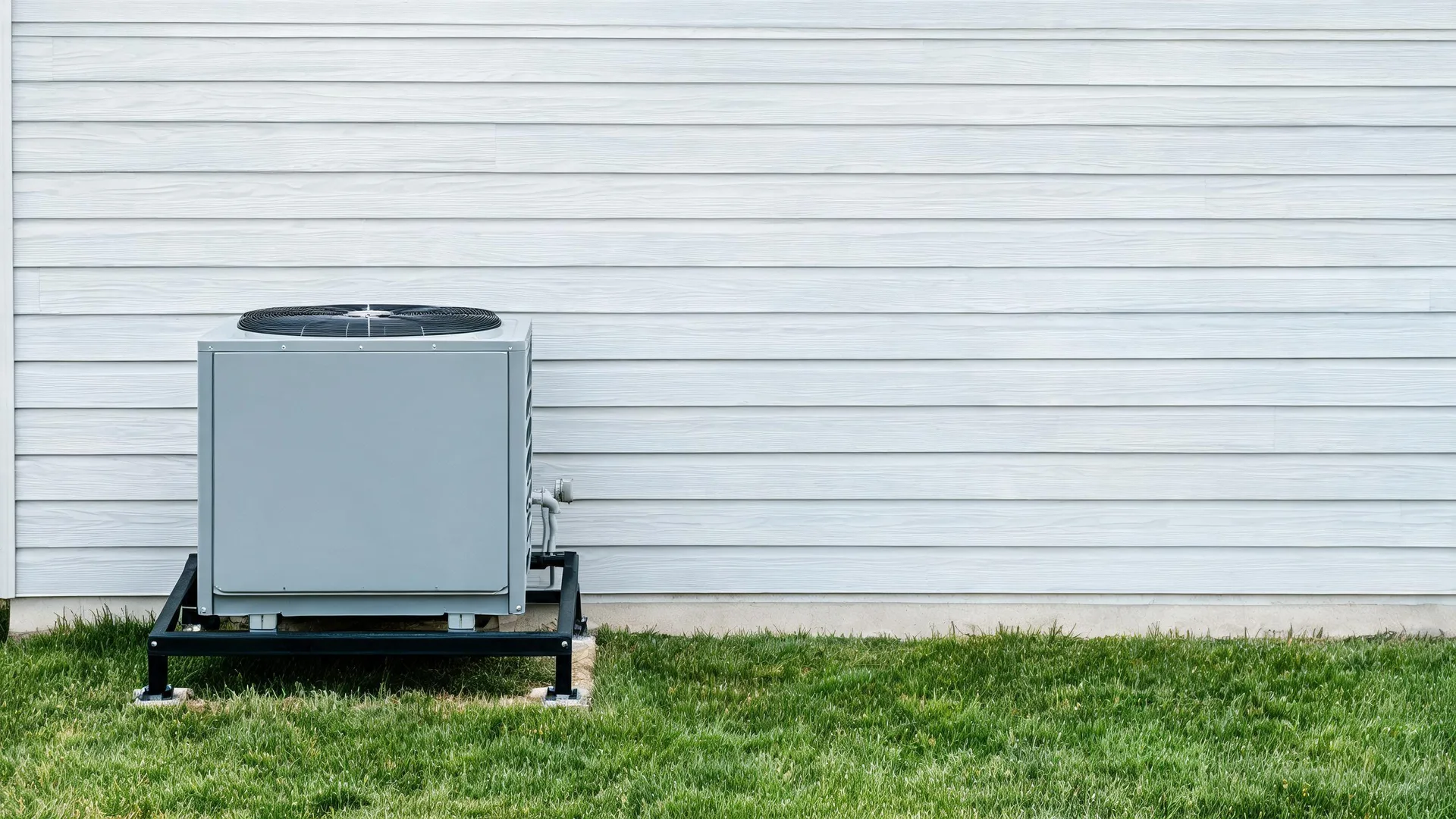
The outdoor unit needs clear space around it to pull in air. Keep leaves, grass clippings and mulch away from the cabinet, and brush off any debris sitting on top. In cold weather, a light coat of frost on the coil is normal, but ice building up thick and staying there is not something to wait out.

Half the homes in St. Mary's County were built in 1992 or later.

A heat pump that age is usually still within its working life, and a yearly check is what keeps it there.

St. Mary's County sees its share of wind and snow, not extra wear on your heat pump

192 severe weather events from 2015 to 2024
11% of homes statewide lost power a day or more in 2024
146 damaging wind events from 2015 to 2024
Heat pump season starts in June and October hereBook the checkup in May or September, before either one begins.

A quick visit gets a filter check and a glance at the thermostat, then it's over. A thorough one has the technician pull the panel and look at the contactor and capacitor, since those parts wear out from cycling on and off and rarely give warning before they fail. They should check refrigerant charge against what the system actually calls for, not just confirm it's running. They should clean the outdoor coil fins where airflow gets choked by dust and pollen, not just hose off what's visible from outside. And they should check the reversing valve, the part that lets a heat pump switch between heating and cooling, since a valve that sticks can leave you heating when you want cooling or the other way around. If a visit skips straight from the filter to packing up, most of that didn't happen.

A system still within its working life is worth a yearly check

If your heat pump came with the house, there's a good chance it's not old. That's a reason to keep it checked yearly, not skip it. A yearly visit catches the contactor or capacitor before they fail and keeps the system running the way it was built to.

Find a contractor
A white mini-split heat pump outdoor unit mounted on a concrete pad beside a gray-sided house, surrounded by gravel and green shrubs.

A heat pump never gets an off season

A heat pump does not get a break between seasons the way a system that only heats or only cools does. It runs all summer, reverses, and runs again all winter, so every part that wears from cycling gets worked on both ends of the year instead of one. Skip maintenance and the parts most likely to fail are the ones nobody checks by looking at the thermostat. A contactor with pitted contacts keeps closing the circuit until the day it does not, usually with no warning sound first. A capacitor loses its charge slowly, and a compressor that starts hard on a weak capacitor is a compressor working toward an early failure. None of this shows up as something you can see from inside the house. It shows up as a system that still runs, right up until the day it does not.

Short cycles or weak airflow

A heat pump that shuts off soon after starting is a sign the compressor is struggling or a safety switch is tripping. Warm air in winter that never feels quite warm enough, or a vent that barely moves air, points to a problem worth finding before it gets worse. Either one is worth a service call even if the system is still running.

Sounds and smells that are new

A hum, a click, a buzz that wasn't there before usually means a relay or a motor is wearing out. A musty smell from the vents often means moisture is sitting somewhere in the system instead of draining the way it should. None of these stop the system from running that day, which is exactly why they get ignored until the part fails.

A tune-up turns up wear you would never see from the thermostat. Oil left on the inside of the cabinet or around the compressor base means a seal is letting refrigerant out, slow enough that the system still runs but hard enough that it loses efficiency over months. A contactor with pitted or burned contacts is still closing the circuit today, but it's the kind of part that goes from fine to failed with no warning in between. Low refrigerant charge shows up as a difference between the pressure a gauge reads and the pressure that system is supposed to run at, not as anything the system does differently that a homeowner would notice. A blower wheel caked with dust looks like it's spinning fine, but it moves less air than it should, and that shortfall shows up as a house that takes longer to feel right, not as a sound or a smell. None of this fails outright during the visit. It's why the panel has to come off and someone has to actually look.

The drain line is the part most people forget exists, because it only matters when it fails. A heat pump pulls moisture out of the air every time it runs in cooling mode, and that water has to go somewhere, down a condensate line and out away from the unit. If that line clogs with algae or dirt, the water backs up into a pan, and either the pan overflows or a float switch shuts the system down to keep it from overflowing. The coils matter for a different reason. The indoor coil absorbs heat from your air and the outdoor coil gives it up outside, and a coil caked with dust or pollen can't move heat the way a clean one does, so the system runs longer to do the same job. A dirty filter feeds both problems at once, since it chokes airflow across the indoor coil and the coil can start sweating more than it should, which means more water asking the drain line to keep up.