




A new wooden picket fence curves across a mown lawn in front of a row of two-story gray-sided houses, with large leafy trees overhead and an overcast sky.

Heat Pump Installation in Princess Anne, MD

Tell us about the job

Takes about a minute. No obligation.

New system or replacementHeat PumpSomerset County, MD
Step 1 of 2

What ZIP code is the job in?

Maryland homes paid 17.86 cents per kilowatthour in 2024, well above the national average. A heat pump moving heat instead of burning fuel or running resistance coils still draws more power on the coldest nights and the hottest afternoons. Pay attention to the efficiency rating a contractor recommends for this installation. The difference shows up on every bill, not just the first one.

7 months
October through April, your system heats
4 months
June through September, it cools
30°F
the average winter night it heats against
86°F
the average summer afternoon it cools against
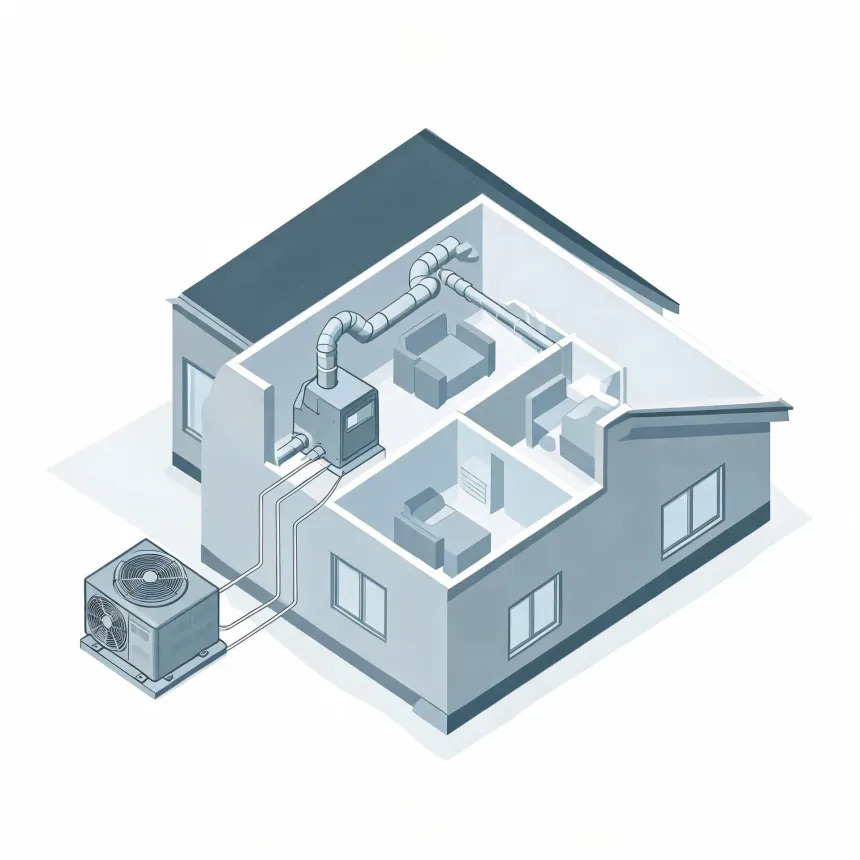
Isometric cutaway illustration of a two-room house showing an indoor air handler with ductwork connected by lines to an outdoor condenser unit on a pad.
Your system heats October through April and cools June through September.

NOAA nClimDiv, 1991–2020 normals

Electricity heats 56.4% of homes in Somerset County, more than any other fuel.

A heat pump installation here replaces that straight, no gas line or oil tank to work around.

Zone 4A asks for real heating and cooling, but not a struggle

11 winter storms from 2015 to 2024
Power costs 17.86 cents a kWh statewide
Climate zone 4A

Heat pumps here run heat from October through April and cooling from June through September, which only leaves May and September free of either load. May is the better window. A contractor can size the system and run the lines without the pressure of a hot house behind the work, and the installation is finished before the first humid stretch puts it to use. Wait until June and you're choosing a system while the old one is already struggling, which is a worse way to make a decision this size.

The new minimum is 14.3 SEER2. A federal credit helps you go past it.

A heat pump installed in Somerset County now has to clear 14.3 SEER2 and 7.5 HSPF2 at minimum. That floor is already set, so the question for any system you're quoted is how far above it you want to go, and the federal tax credit is there to help make that case.

Find a contractor
A gray heat pump condenser unit mounted on a concrete pad against the gray lap-siding exterior wall of a house.

The old unit doesn't just get hauled off

Whatever is getting replaced, it does not go to waste if it still runs. A working furnace, boiler, or AC condenser can often be pulled and sold or reused rather than scrapped, and a contractor removing a system should tell you which parts are worth salvaging before anything goes in the truck. What can't be reused has to be handled a certain way. Refrigerant in the old system cannot just be vented into the air, it has to be recovered into a tank with the proper equipment before the lines are opened up, and that's a legal requirement, not a courtesy. Old refrigerant oil and any coolant get drained and disposed of separately. The metal in the cabinet and coils gets scrapped, and most of it is recyclable. A contractor who's done this before has the recovery equipment on the truck already and doesn't treat it as an extra step tacked onto the install.

What SEER2 and HSPF2 actually measure

SEER2 rates cooling efficiency, HSPF2 rates heating efficiency, and a heat pump carries both numbers because it does both jobs. Neither number tells you how big a system you need. A contractor sizes that separately, based on the house. The rating only tells you how much electricity the unit uses to deliver the heating or cooling it's sized for.
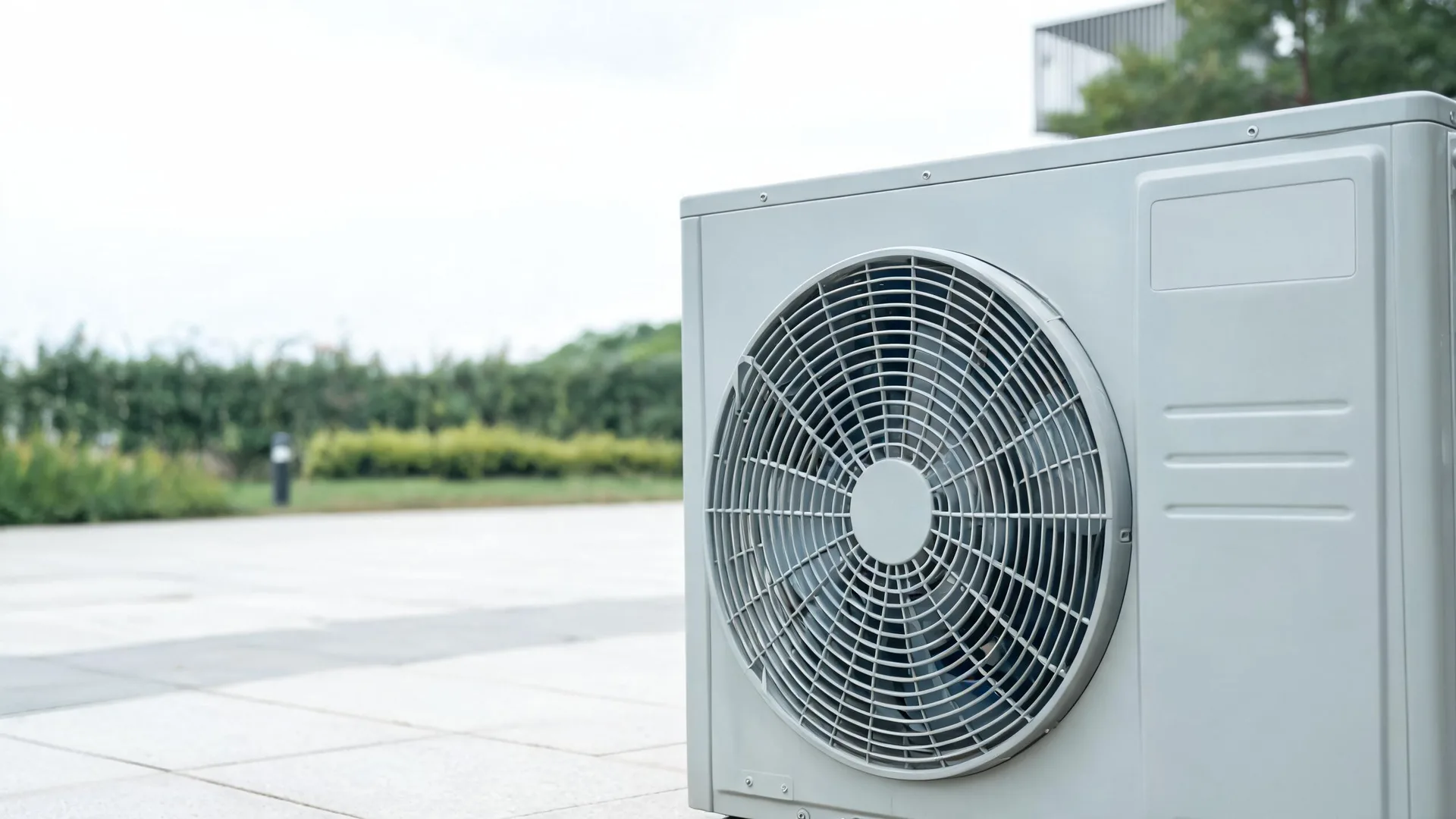
The rating on the label is a lab number

The SEER2 and HSPF2 figures come from controlled testing, not from running in an actual house through real weather swings. A unit still has to be installed correctly, with the right refrigerant charge and properly sized ductwork, to come close to that number. A high rating on a system that's poorly matched to the home or badly installed will not outperform a lower rated system that's set up right.

A contractor should tell you the heating output at low outdoor temperatures, not just the rated capacity on a mild day. A heat pump's ability to pull heat from outside air drops as the air gets colder, and some units hold their output much better than others through that drop. Ask what happens below freezing, and whether the system leans on backup heat strips to cover the gap or keeps working on its own. Ask how the system defrosts itself, since ice builds on the outdoor coil in cold, damp weather and has to be cleared without dumping cold air inside. Ask about the compressor too, since that's the part doing the work year round and the one most expensive to replace. A quiet compressor and a unit that keeps its heating output in cold weather matter more than a high number on a spec sheet pulled from a lab test.

The outdoor unit gets set on a pad, level and away from the wall so air can pull through the coil without a fight. Inside, the crew connects to the ductwork or sets the air handler, then runs the line set and pulls a vacuum on it before any refrigerant goes in. That step clears out moisture and air that would otherwise turn to acid and eat at the compressor from the inside. Once the lines hold vacuum, the system gets charged, and a contractor checks that charge against the manufacturer's numbers rather than judging it by how cold the air feels. Low voltage wiring runs to the thermostat, and the system gets cycled through heating and cooling before anyone calls the job finished. A contractor who shows you the readings, not just the air coming out of the vent, is doing it right.