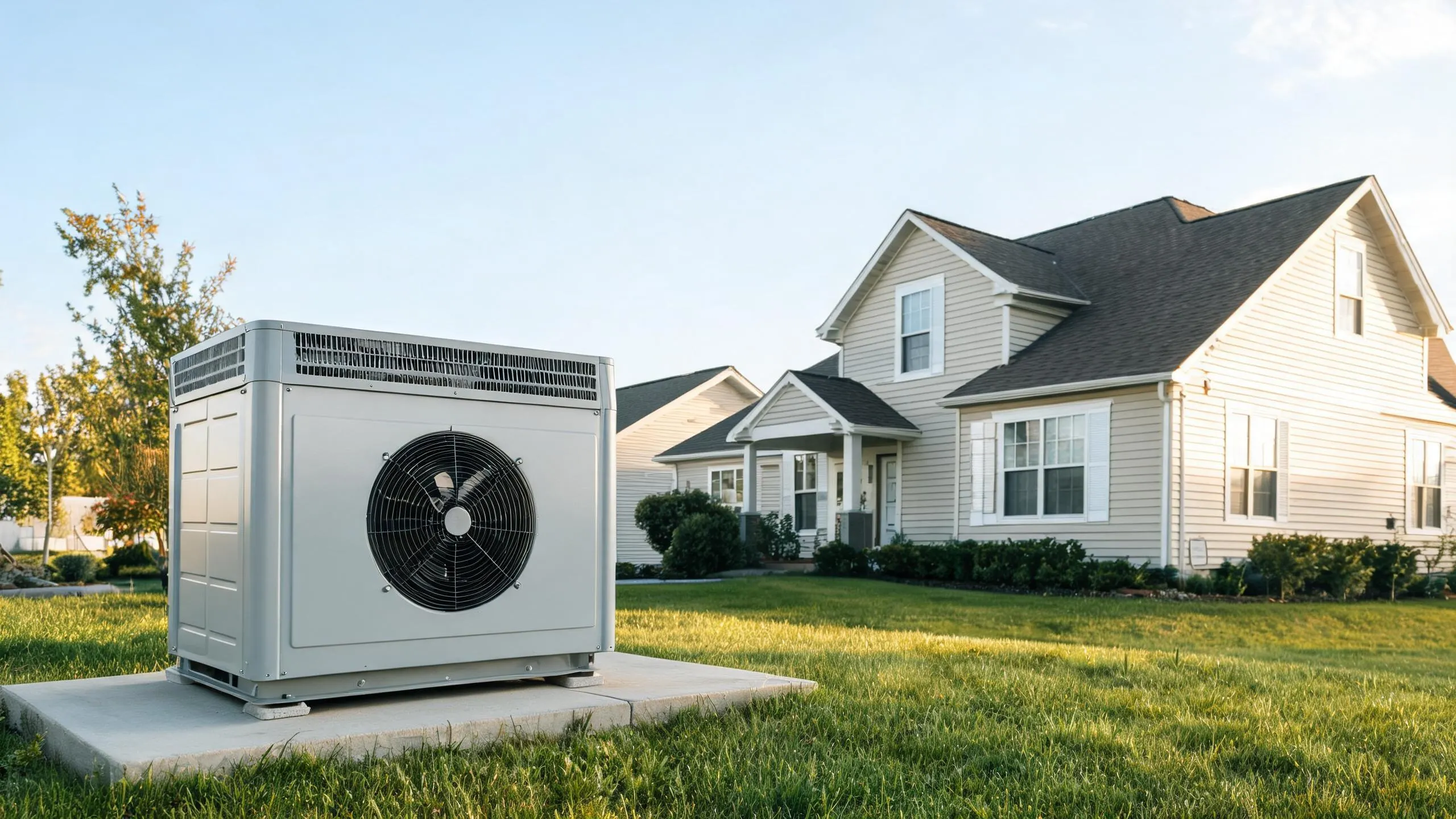




An outdoor heat pump unit mounted on a concrete pad in the front yard of a gray suburban house.

Heat Pump Installation in Westminster, MD

Tell us about the job

Takes about a minute. No obligation.

New system or replacementHeat PumpCarroll County, MD
Step 1 of 2

What ZIP code is the job in?

Electricity in Maryland runs 17.86 cents per kilowatt-hour. A heat pump moves heat instead of burning gas to make it, so it gets more warmth out of every dollar than electric resistance heat. But heat pumps aren't all the same. A high-efficiency unit pulls more heat from the same amount of power than a low-efficiency one, and at Maryland's rate that gap shows up on the bill every month, not just in winter. Since this runs for both heating and cooling here, the efficiency you install is working for you most of the year.

7 months
October through April, your system heats
3 months
June through August, it cools
25°F
the average winter night it heats against
84°F
the average summer afternoon it cools against
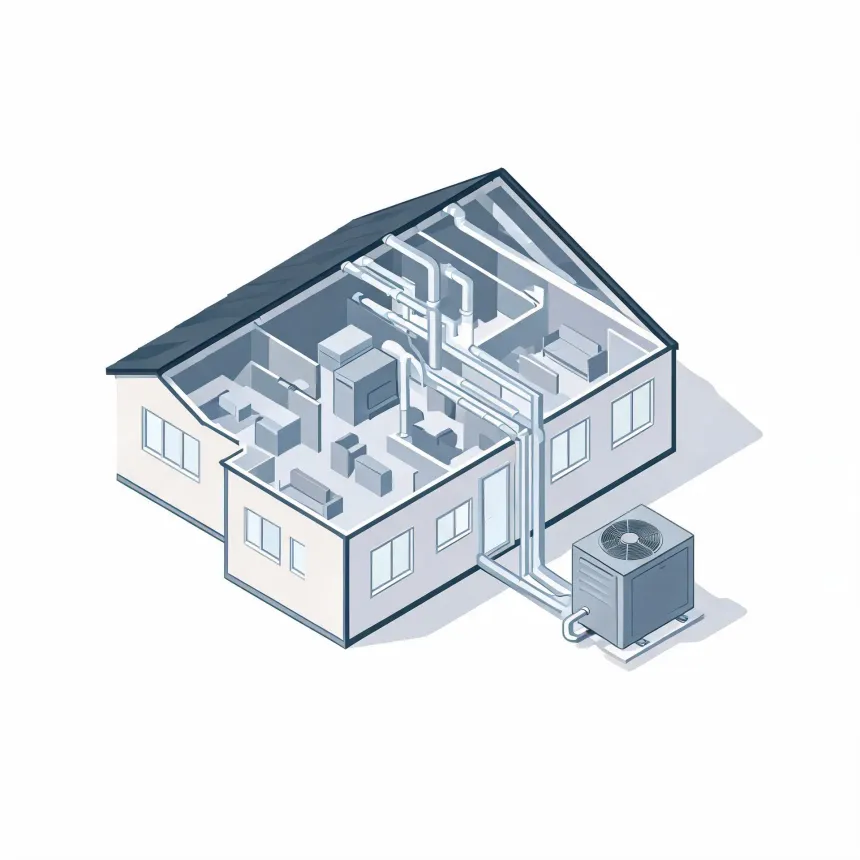
Isometric illustration of a cutaway single-story house showing interior ductwork and vents connected to an outdoor condenser unit beside the building, on a white background.
Your system heats October through April and cools June through August.

NOAA nClimDiv, 1991–2020 normals

Heat here runs October through April, seven months of the year.

September is the month to put in a new heat pump, before the first cold night makes the call for you.

Westminster weather tests the power grid, not the heat pump

215 severe weather events from 2015 to 2024
11% of homes statewide lost power a day or more in 2024
173 damaging wind events from 2015 to 2024

Just over half the homes in Carroll County heat with electricity already. That makes a heat pump an easy fit, since the electrical setup to run one is probably already in place. A gas furnace install can mean adding a gas line or venting that was never there. Going from electric heat to a heat pump usually doesn't, which keeps the installation itself more straightforward.

A new heat pump here has to meet real minimums

Carroll County sits in climate zone 4A, which asks real work of both heating and cooling. Any split-system heat pump installed here has to meet 14.3 SEER2 and 7.5 HSPF2 at minimum, so the low end of what's on the market is already set higher than in milder parts of the country. A federal tax credit is available on qualifying equipment, worth checking against whatever unit you're considering.

Find a contractor
A white mini-split heat pump outdoor unit mounted on a concrete pad beside a gray-sided house, surrounded by gravel and green shrubs.

What actually sets the price of a heat pump install

Size is what moves the price most. A heat pump has to be sized to the home through a load calculation, not picked off a shelf or matched to whatever the old furnace was rated for. Too big and it short-cycles. Too small and it runs flat out on the coldest days and still falls behind. Past that, the biggest swing is what's already in place. Sound, correctly sized ductwork lets the new unit tie right in. Ducts that are undersized, leaky, or routed badly need work before the heat pump goes in, and that work can cost more than the equipment. The indoor coil and air handler have to match the outdoor unit too, since a mismatch loses efficiency no matter how good that outdoor unit is. Cold-climate heat pumps cost more than standard ones but keep producing heat at low outdoor temperatures instead of leaning on backup heat strips. Electrical work can factor in as well. A panel with room for a new circuit is a simple add. One without it means new wire or a panel upgrade, its own job on top of the install. Existing refrigerant lines can sometimes be reused, but only if they're the right diameter and still in good shape, and that's something a tech checks before deciding either way.

Ask for the heating output at low outdoor temperatures

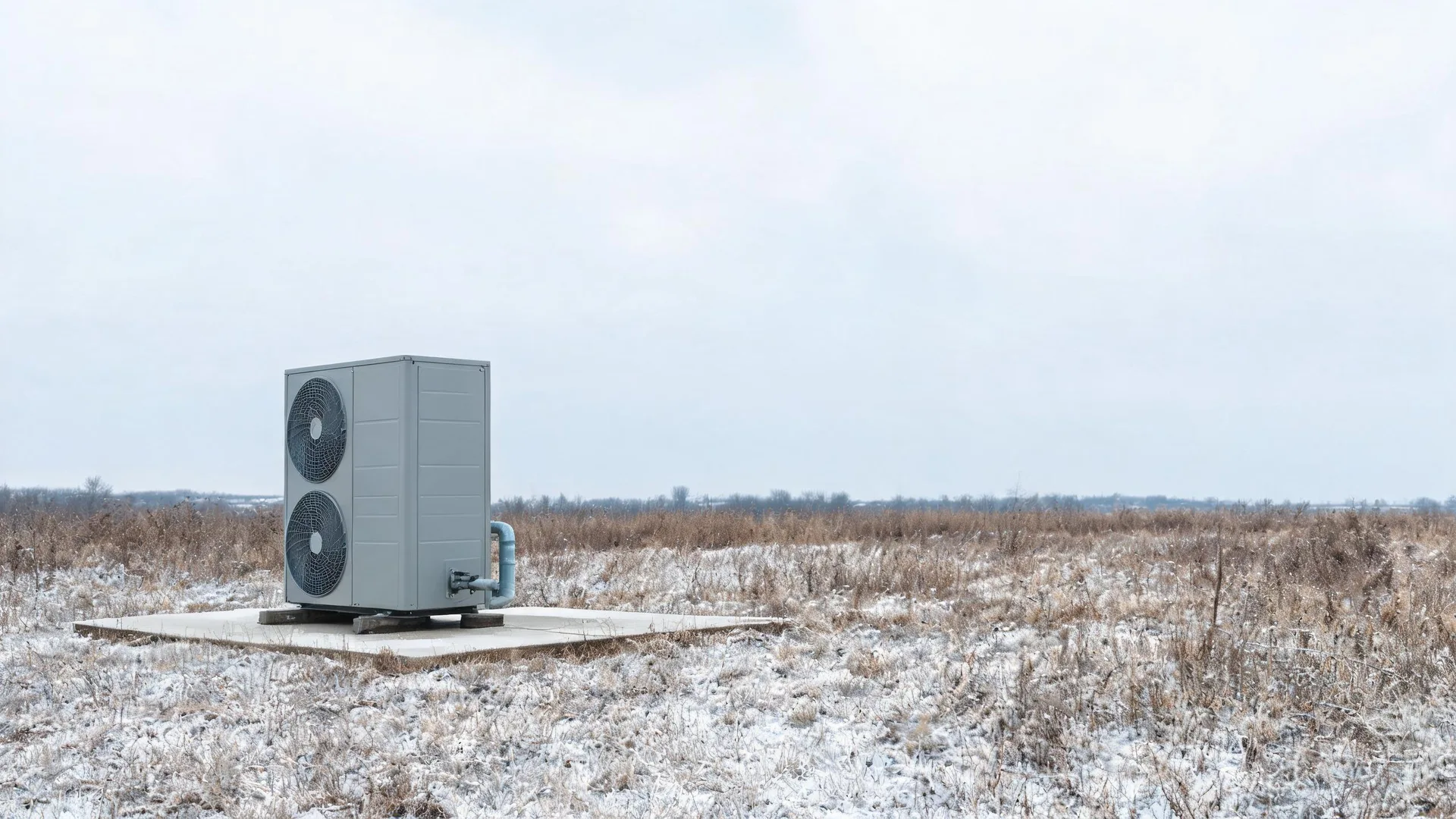
A heat pump's rating on paper comes from a mild-weather test. What matters more is how much heat it still puts out on a cold day, and how far that output falls off. Ask to see that number on the spec sheet, not just the general efficiency rating. Ask what the system does once it drops below that point. Some lean on backup heat strips to cover the difference, and that changes what the unit actually costs to run.
Ask who is doing the load calculation

The right size for a heat pump comes from a room-by-room load calculation done on the actual house. It should not come from square footage alone, and it should not come from matching whatever the old furnace was rated for. If a contractor gives a system size before doing that work, ask how they got there. The load calculation is what the rest of the quote should be built on.

A load calculation looks at how much heat the house loses through its walls, windows and roof, room by room, and sizes the equipment to match that loss. A heat pump that's too big satisfies the thermostat fast and shuts off again before it's pulled any humidity out of the air. That short cycling also wears the compressor harder than a longer, steady run would. One that's too small runs continuously on the coldest days and still can't keep up, leaning on backup heat strips to cover the gap. Getting the size right from the start is what lets the rest of the system, the ductwork, the coil match, the controls, actually work the way it's supposed to.

Installation day starts with the outdoor unit and the indoor coil or air handler, and both get set in place before anyone touches refrigerant lines. The outdoor unit sits on a pad, leveled, with clearance on all sides so air can move through it. Refrigerant lines get connected, then the system gets pulled down to a vacuum to clear out air and moisture before any refrigerant goes in, since either one left in the lines will cause problems down the road. Once it's charged, the tech checks refrigerant levels against the manufacturer's spec, not just by feel. The electrical hookup gets tied in and tested, and the thermostat or controls get wired and set up. Before anyone leaves, the system should run through both a heating and a cooling cycle so the tech can check airflow at the vents and confirm it's holding the temperature it's set to.