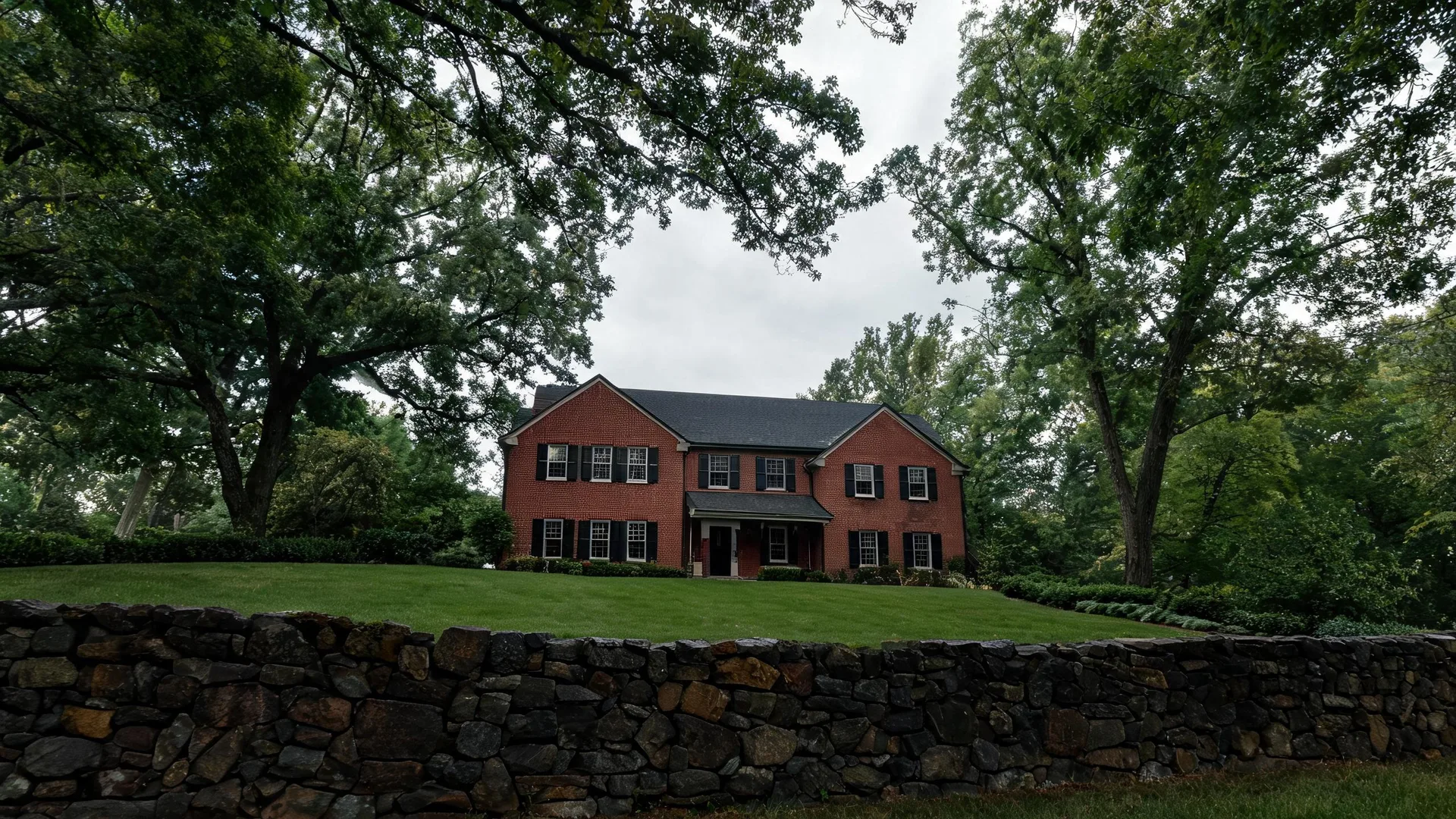





A two-story red brick house with black shutters and a dark roof stands on a mown lawn behind a dry-stacked stone retaining wall, framed by large deciduous trees under an overcast sky.

Heat Pump Installation in Cumberland, MD

Tell us about the job

Takes about a minute. No obligation.

New system or replacementHeat PumpAllegany County, MD
Step 1 of 2

What ZIP code is the job in?

Electricity in Maryland ran 17.86 cents per kilowatthour in 2024. A heat pump runs on electricity for both heating and cooling, so that rate hits every month of the year, not just summer. The efficiency rating on the unit you pick determines how many of those kilowatthours you actually use to heat and cool this house. A unit with a higher HSPF2 or SEER2 rating pulls less power to do the same job, and at Maryland's rate that difference shows up on the bill month after month. Worth asking what rating a contractor is quoting before you compare prices on the equipment itself.

8 months
October through May, your system heats
3 months
June through August, it cools
24°F
the average winter night it heats against
84°F
the average summer afternoon it cools against
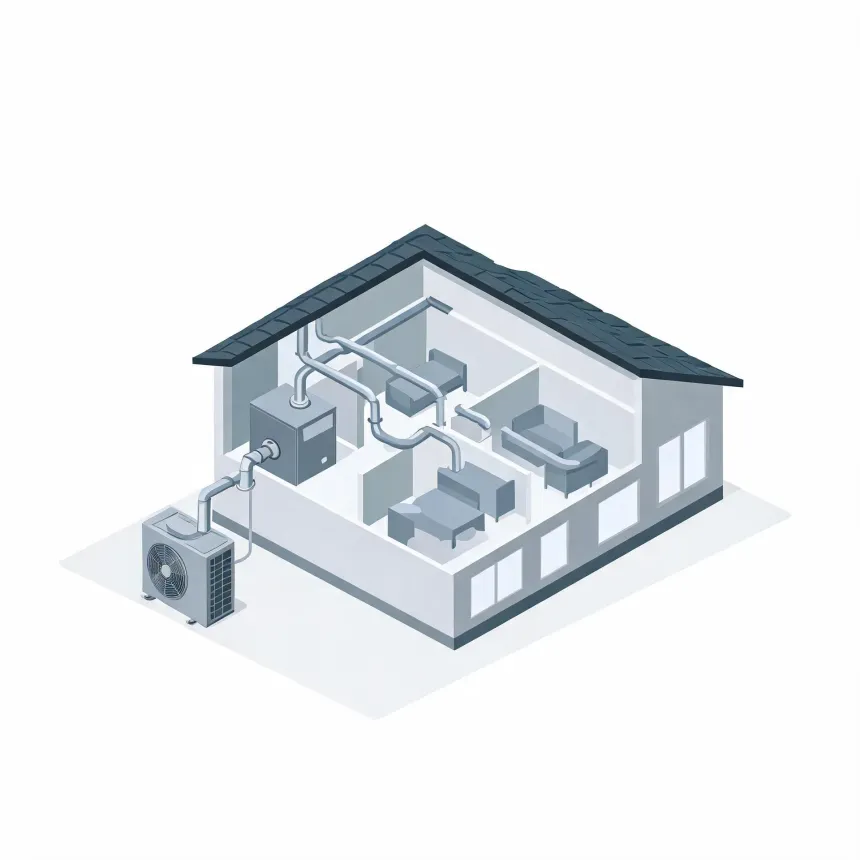
Isometric cutaway illustration of a single-story house showing an indoor air handler, branching ductwork through rooms with furniture, and an outdoor condenser unit connected by a line outside the wall.
Your system heats October through May and cools June through August.

NOAA nClimDiv, 1991–2020 normals

The old furnace or AC doesn't get left in place next to the new heat pump.

Removing it is part of the installation job, and hauling it off is too.

Heat runs October through May here, so September is the month to get a heat pump in place

Cooling runs June through August
Heat runs October through May
106 damaging wind events from 2015 to 2024
Most homes here heat with gasJust over half the homes in Allegany County heat with utility gas, more than any other fuel.

Half the homes in Allegany County were built in 1959 or earlier. A heat pump installed in one of these has to work with whatever heating setup was already there, whether that's ductwork sized for an old furnace or no ductwork at all. Some older homes were never built with central air, which changes what installation involves. If your system came with the house, that's worth telling the contractor before they quote the job. The right size and type of heat pump depends on matching the equipment to the house you actually have, not a standard one.

A new heat pump here has to meet zone 5A's heating demands, not just the national minimum

Any heat pump installed here now has to hit 7.5 HSPF2 for heating and 14.3 SEER2 for cooling, the federal minimum as of 2023. Allegany County sits in climate zone 5A, where heating is the bigger load, so that heating rating is the one to look at closely. Equipment that clears the minimum also tends to qualify for the federal tax credit, worth asking about when you compare quotes.

Find a contractor
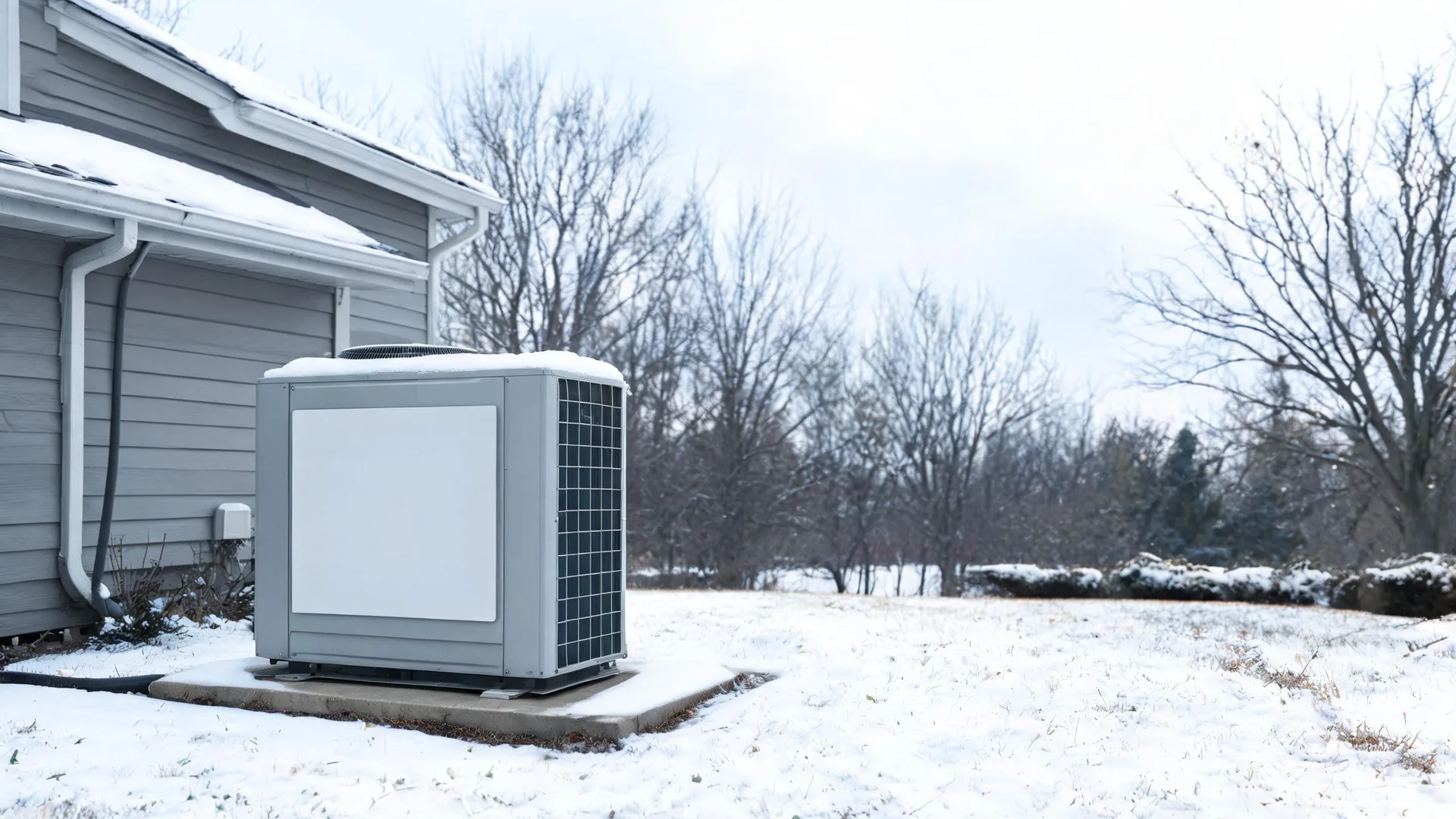
A white mini-split heat pump outdoor unit mounted on a concrete pad beside a gray-sided house, surrounded by gravel and green shrubs.

Size it to the house, not the year it was built

A load calculation tells the contractor what size heat pump the house needs, and in a house built in 1959 or earlier that number depends on what's already there. Old ductwork can be too narrow or too leaky for a heat pump to work well through it, and a house with no ductwork at all needs a different kind of system entirely, like ducted mini-splits run room to room. Get the load calculation done on your actual house before anyone quotes a size.

Bigger isn't better here

A heat pump that's too large for the house satisfies the thermostat fast and shuts off again. It never runs long enough to pull moisture out of the air or settle into a steady output, so rooms feel clammy in summer and uneven in winter. The equipment also wears faster from all that starting and stopping.
Too small runs out of heat

An undersized heat pump can't keep up once the temperature drops, so it leans on backup electric resistance heat to make up the difference. That means the unit runs hardest on the coldest days and still struggles to hold the temperature you set.

The rating on the label comes from a test. It measures how much heat or cooling the unit delivers against how much power it pulls to do it. HSPF2 is the heating side, SEER2 is the cooling side. A higher number means the compressor and coils get more out of every bit of electricity they use. It doesn't mean the unit is bigger or stronger. A heat pump with a high rating can still be the wrong size for the house, and a correctly sized unit with a middling rating will often keep the house more comfortable than an oversized one with a flashy number on the label. Sizing and efficiency answer different questions, and the label only answers one of them.

Installation starts with pulling the old equipment out. The new outdoor unit goes on a pad or bracket outside, and refrigerant line runs between it and the indoor coil. If the house already has ductwork, the indoor unit often ties into that, and the crew checks the duct connections while they're in there, since a heat pump depends on good airflow more than a furnace does. A ducted mini-split setup is a different job, with line sets and air handlers placed in each room. The electrical work matters too. A heat pump needs a dedicated circuit sized for its draw, and that sometimes means upgrading the breaker panel before the unit gets power. Once everything is connected, the contractor charges the line with refrigerant and checks the pressures. The thermostat gets tested to make sure it's talking to the system correctly, and the backup heat gets checked too, so it kicks in the way it should on the coldest days and not just whenever the compressor runs.