



What your winter actually asks of a heat pump
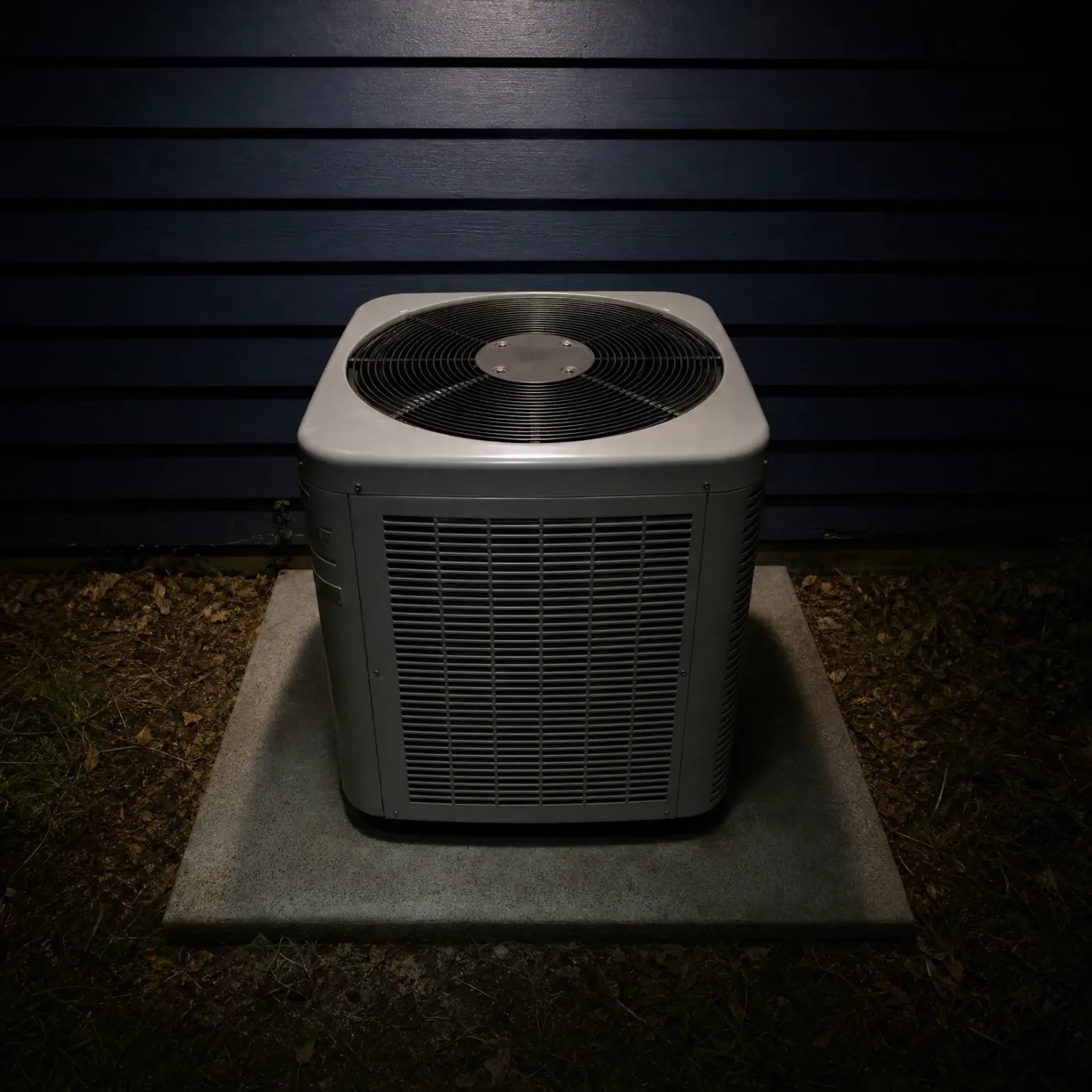
Heat runs seven months a year in St. Mary's County, October through April. The average overnight low across December, January and February is 29 degrees. A standard heat pump's heat output starts falling short of its rating once it's below 40 degrees outside, and it often needs backup heat once it's below about 35. Twenty-nine is under both marks. So on an average winter night here, a standard heat pump is already short of its rated output, not just on the rare hard freeze.
About 70 nights a year here drop to freezing or below, out of the roughly 210 nights that make up the seven-month heating season. Of those 70, about 0.1 reach 0 degrees. So the cold a heat pump has to answer for here is mostly nights in the 20s and 30s, and every one of those 70 nights falls below both the 40-degree and 35-degree marks.
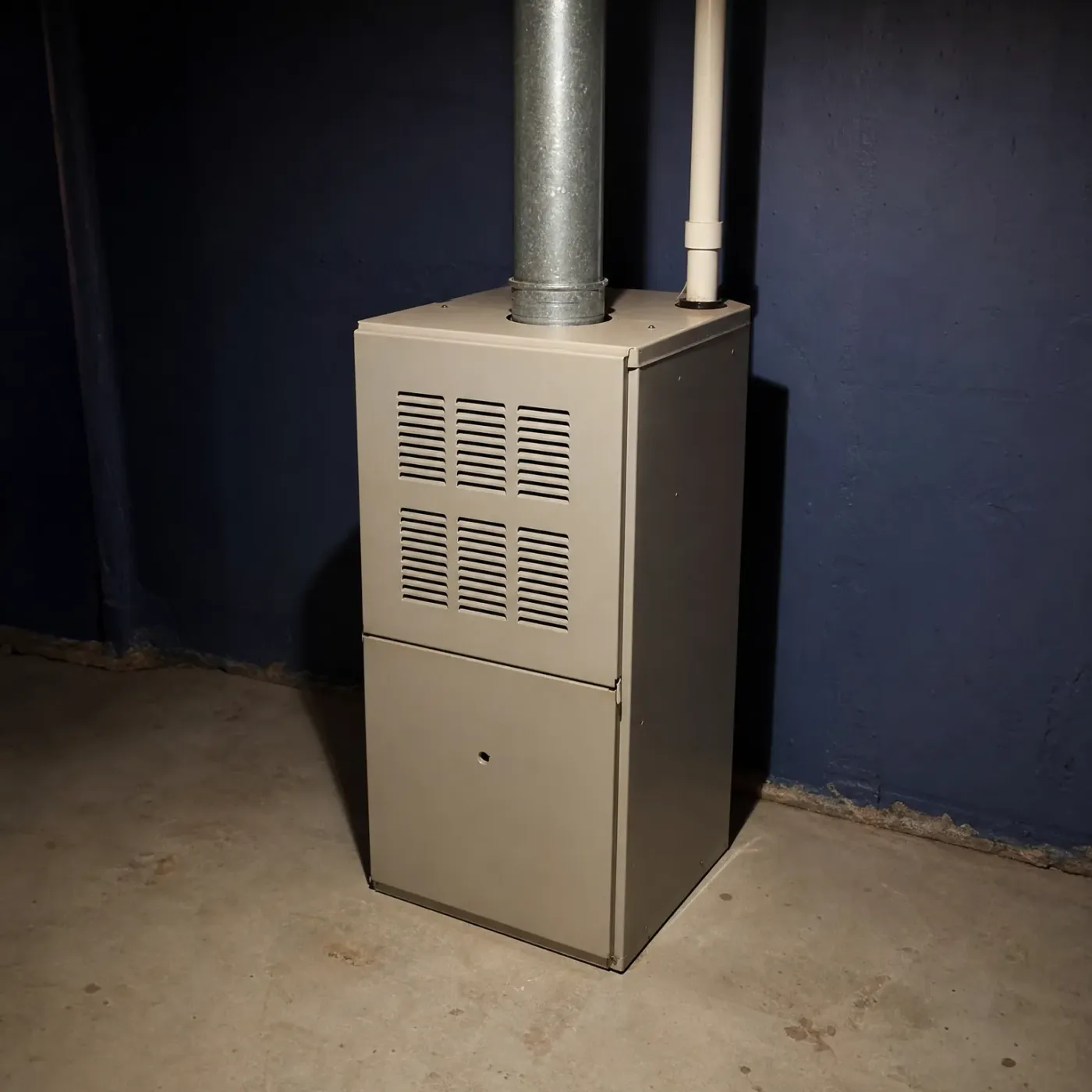
A standard heat pump can still carry the house through this, paired with backup heat for the nights it falls short. If you want a heat pump that holds its output at low temperatures without leaning on backup heat as much, that's what the ENERGY STAR Cold Climate rating is for: a unit tested to still make 1.75 units of heat per unit of electricity at 5 degrees, and to hold at least 70 percent of its warm-weather capacity there, checked by a third party rather than claimed by the maker. A two-winter field test of prototype cold-climate units found backup heat covered only a small share of the load between 0 and 35 degrees, and running on backup alone was rare even above 0. A furnace, gas or oil, doesn't have this problem at all. It makes its full heat output at any outdoor temperature.