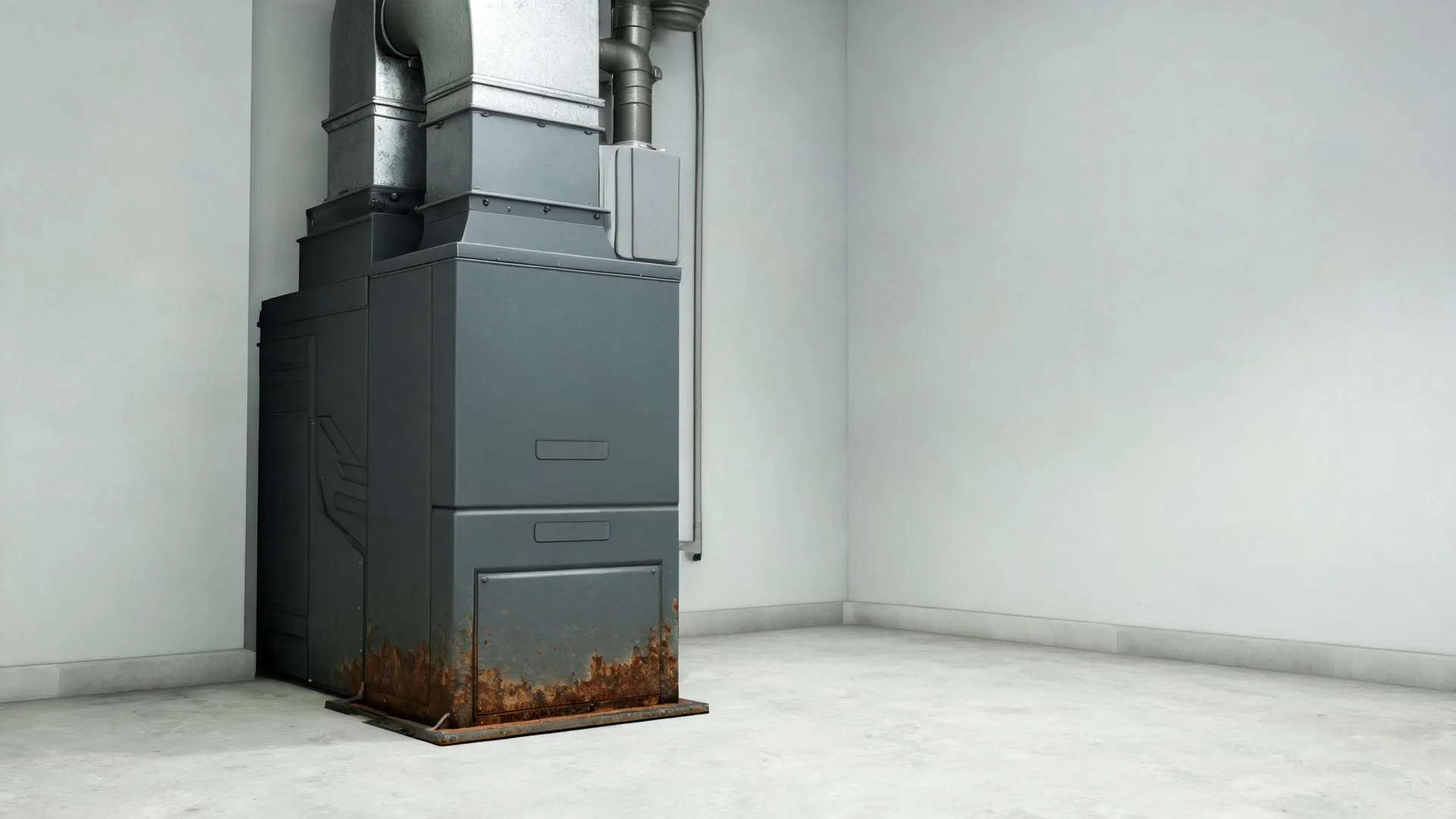
Seven months of real work
A furnace in Leonardtown runs October through April. Overnight lows average 29°F in December, January and February. That's a long, steady load on the same igniter, blower motor and heat exchanger every winter.
Takes about a minute. No obligation.
A furnace in Leonardtown runs October through April. Overnight lows average 29°F in December, January and February. That's a long, steady load on the same igniter, blower motor and heat exchanger every winter.
None of that points to anything out of the ordinary. A failed igniter, a dirty flame sensor, a clogged filter choking airflow. These are still the usual culprits here. Finding which one it is matters more than guessing at something rare.
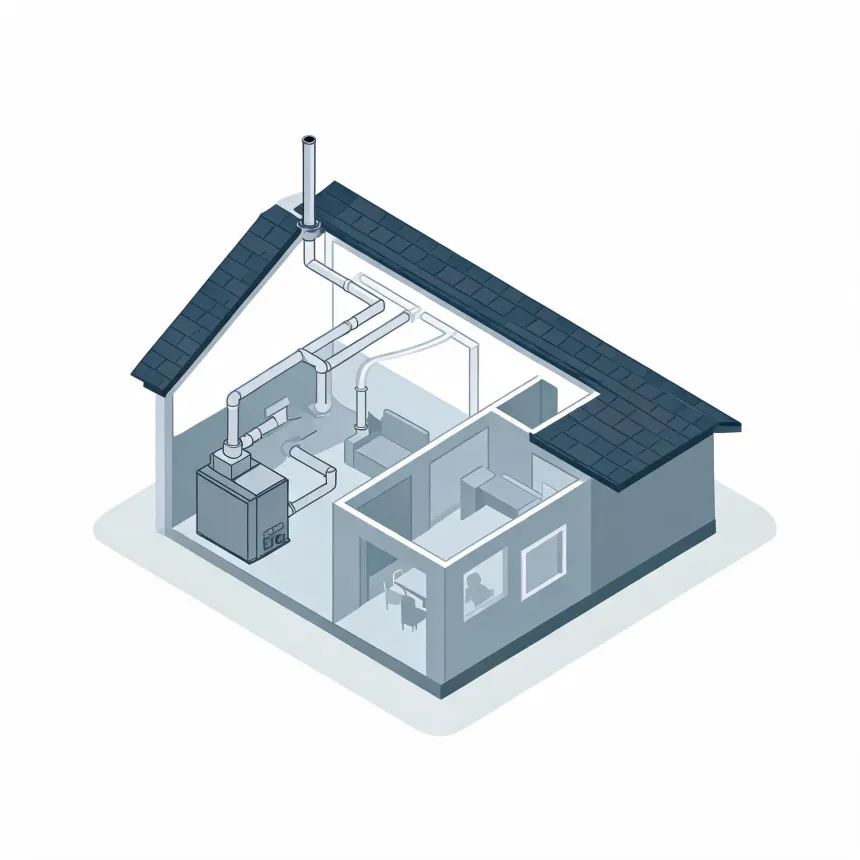
NOAA nClimDiv, 1991–2020 normals
September is the month before heat season starts in St. Mary's County.
A furnace that sat idle gets tested hard the first cold week of October, and a weak igniter or motor usually quits right then.



Electricity in Maryland ran $52.34 per million Btu in 2024, among the higher rates in the region. A furnace that short cycles or runs with a dirty filter isn't just annoying, it's pulling power the whole time it struggles to do its job. That cost doesn't show up as a single bad month. It shows up every month the problem sits there unfixed. A furnace running on a cracked heat exchanger or a weak igniter burns the same gas or electricity trying to reach the same temperature, and in a state where power costs this much, a small problem left alone adds up fast.
192 severe weather events hit St. Mary's County over the past decade, and only 14 were winter storms. Most years, nothing knocks out power or damages a furnace at all. If yours is acting up, the cause is probably something that just wore out from regular use. An igniter, a flame sensor, a dirty filter. That's where the answer usually is.
Find a contractorHalf the homes here are newer, so half the furnaces in them are too. That matters for a repair call. A furnace that hasn't put in many winters yet is still inside its working life, and a broken igniter or a dead control board in a system like that is just a part that wore out, not a sign the unit is done. Ask whoever comes out how old the furnace actually is. That answer, more than anything else, decides whether this is worth fixing.
A diagnostic starts with questions. When the furnace last ran fine, what changed, what sound or smell showed up first. Then a tech watches it go through a full cycle. Ignition, blower start, burner flame, shutdown. Most furnace problems show themselves somewhere in that sequence. Skipping straight to a part swap means missing what the cycle was trying to say.
A dirty flame sensor can make a furnace act like the igniter is bad. A clogged filter can make a blower motor look weak when it just needs air. Checking the flame sensor, the igniter and the pressure switch one at a time is how a tech finds the part that actually failed, instead of replacing the one that's easiest to blame.
There are a few things worth checking before anyone comes out. Look at the thermostat first. Make sure it's set to heat and the set temperature is actually above room temperature, and swap the batteries if it uses them. Check the filter next. Pull it out and hold it up to a light. If you can't see light through it, that's choking airflow and can make a furnace shut itself off partway through a cycle. Go to the breaker panel and make sure the furnace's breaker hasn't tripped. If the furnace uses a standing pilot, see whether the pilot light is actually lit. None of this fixes a cracked heat exchanger or a failed control board, but it rules out the causes that have nothing to do with a worn part.
A furnace is worth fixing more often than people expect. Most of what fails, an igniter, a flame sensor, a blower motor, a pressure switch, can be replaced on its own without touching anything else. The cabinet, the ductwork and the gas valve usually outlast all of them. The one part that changes the math is the heat exchanger. It's the metal chamber that separates the flame from the air moving through your house, and a crack in it means combustion gas can mix with that air. A furnace with a cracked heat exchanger gets condemned on the spot, not repaired, because there's no patching that part safely. Everything else on the unit is a judgment call between the tech and the homeowner, not a hard line.