 Start one form
Why your furnace whistles in Maryland
Explain the job once and skip repeating it on every call.
A whistle from your furnace usually means air is squeezing through somewhere it shouldn't. Most homes in Maryland heat with electric furnaces, and when the filter is clogged or a duct is pinched, the blower has to pull harder to move the same air. That strain is what you're hearing.
It can also come from a cracked heat exchanger or a loose panel on the unit itself. The sound doesn't tell you which one it is. That takes someone looking at the actual furnace.
With electricity priced the way it is here, a furnace working harder than it should shows up fast on your bill. Left alone, the same strain that causes the whistle can wear down the blower motor months before it should quit.
Finding someone to look at it is its own chore. You'd normally be searching through contractors you don't know, calling a few, explaining the same whistle and the same furnace over and over, then sitting on quotes trying to tell which one is fair. That's the part this page skips.
Answer a few questions about your furnace and what you're hearing, and you get matched with one licensed contractor near you in Maryland, someone who works on furnaces like yours all winter and has heard this whistle before. Not a handful of companies competing for your callback, just one, already set up to take the job.
From there, the explaining is done. No re-describing the sound to a second or third company, no stacking quotes side by side trying to guess who's overcharging. One contractor, already pointed at your furnace, ready to find out what's actually making that noise.
A whistle usually means air is being forced through a gap too small for it. Most of the time it's the filter. A clogged one chokes the airflow your blower needs, so the motor pulls harder and air hisses through the edges of the filter slot or the seams in the duct it's housed in. A pinched or disconnected duct run does the same thing somewhere down the line. The sound can also come from a supply register that's closed too far, or a door shut tight enough to starve the return. Since most furnaces here run on electricity, a blower working overtime to push air through a bottleneck also means it's drawing more power than it needs to, and that shows up on the bill before the noise even gets your attention. The whistle itself won't damage anything right away, but the restriction behind it makes the furnace work harder every time it runs.


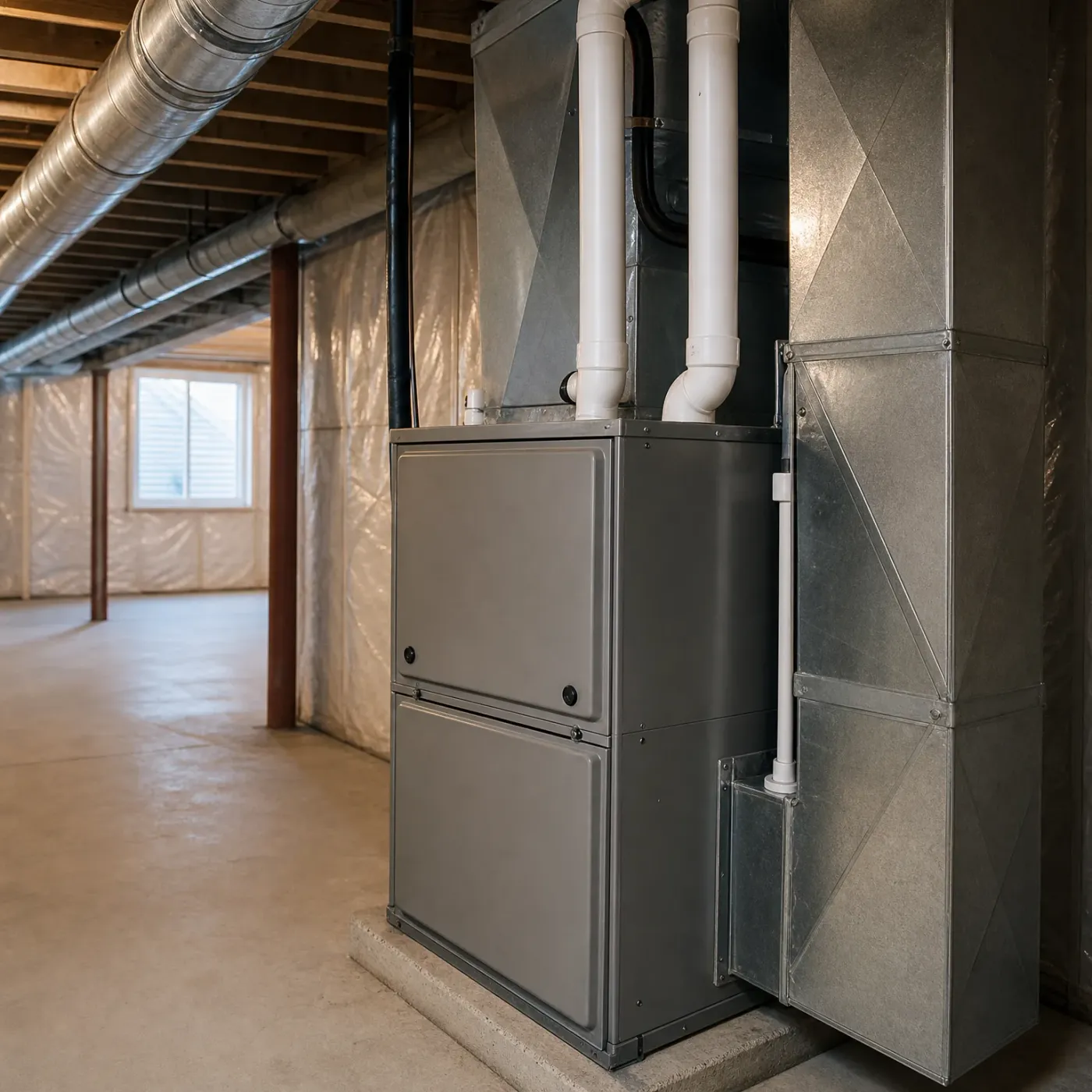
An electric furnace has no burner. A blower motor pushes return air across a set of heating elements, then out through the ductwork. That blower pulls air through the filter first, so whatever happens at that opening sets the tone for the whole run. Air looks for the smallest gap it can find, whether that's a dirty filter, a seam where a panel doesn't sit flush, or a duct pinched somewhere behind a wall. Squeeze air through any of those and it whistles. The blower wheel itself can throw that sound too. Years of dust buildup or a slight warp will throw it out of balance, and an unbalanced wheel whines as it spins, even with a clean filter and sealed ducts. The cabinet around the blower compartment is built to seal tight. A panel that's latched but not seated right lets air slip past that gasket. Because an electric furnace has no gas valve easing output up and down, the blower speed is the only thing controlling how hard it's working, and that means pressure builds fast when something restricts the path.
How the air moves through it
- Electric furnaces use a blower motor to push air across heating elements and through the ductwork, with no gas burner or flame involved.
- The blower pulls return air through the filter first, so anything restricting that opening changes the sound the whole system makes.
- A whistle usually starts at the smallest gap in the path, whether that's a dirty filter, a loose panel seam, or a pinched duct.
- The blower wheel itself can warp or collect dust over years of use, and an unbalanced wheel will whine or whistle as it spins.
- Furnace cabinets are built with a tight seal around the blower compartment, so a panel that isn't latched fully lets air escape past the gasket.
- Static pressure builds up fast in a system that heats electrically, since there's no gas valve modulating the output, only the blower speed.




Skip the calls to every shop
Your request goes to one pro, not a list of companies.
Skip searching for a furnace pro and answer a few questions instead.
It costs nothing to send, and you don't have to hire anyone.
Is the whistle something you should worry about?
Notice when it happens. A whistle that starts right when the furnace kicks on and fades a minute later is usually just the filter catching air before the blower settles. One that stays on the whole cycle, or gets louder over a few weeks, means the blower is working harder than it should to push air through your house. You might also notice certain rooms running colder than others, or the furnace cycling more often to keep up. Left alone, a straining blower motor wears out faster than it should, and with electric heat already costing more to run here, a motor working overtime shows up on your power bill before it shows up as a breakdown.
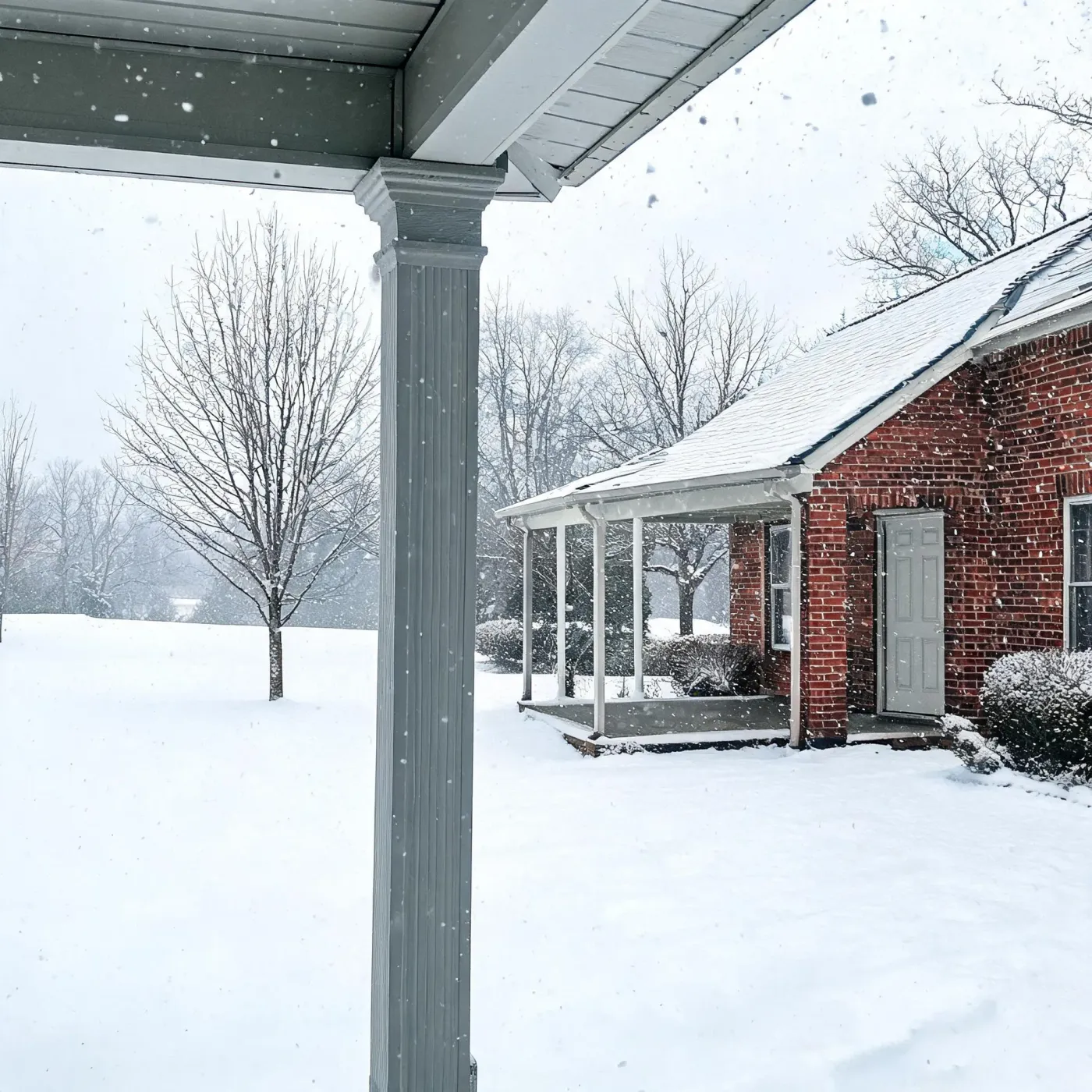
On a winter night here, the temperature outside averages 27°F statewide, according to NOAA. Your electric furnace has to run longer to keep the house warm against that kind of cold, which means more hours of the blower pulling air through the filter and the ductwork. If there's already a pinch point, a dirty filter, a loose panel, a narrow gap, that extra runtime is when you'll hear it. A whistle that's faint on a mild afternoon can turn into something steady once the nights settle into the 20s, simply because the blower is working harder and longer to keep up.
NOAA nClimDiv 1991-2020 county normals weighted by homes

A whistling furnace is telling you something specific
A clogged filter, a loose panel, a failing blower wheel. The whistle points to one of those, and which one decides whether it waits until the weekend or gets looked at today. If it fades once the furnace settles into the cycle, you likely have room to plan. If it holds steady or gets louder, the blower is working harder than it should every time it runs, and on a cold night that's a lot of hours.
A contractor who works on electric furnaces all winter in Maryland has heard this whistle before and knows where to check first. Once you request service, you're not calling around to find someone who'll pick up, explaining the sound over and over to different companies, or weighing quotes against each other. One licensed local contractor takes it from here, looks at your furnace, and tells you what's actually making the noise.


Furnace Repair
Skip calling around

- Tell a local repair pro what your furnace is doing.
- Say what's going on with your furnace, and a pro who works on them reaches out.

- Send the request today and stop worrying about who to call.
- Send the request and finding a pro stops being your problem.

- Describe what your furnace is doing once, in one form.
- Answer a few questions instead of calling shop after shop.

- Only one pro gets your request, so you hear from one company.
- Your request stays with one local pro.