Profile view of a bearded man wearing a black baseball cap and a dark gray T-shirt against a plain light background.

What size generator runs a furnace in Maryland

New system or replacementFurnace or heatingMaryland
Step 1 of 2

What ZIP code is the job in?

A gas furnace in Maryland usually runs on a 3,000 to 5,000 watt generator, since the blower motor and control board are the only parts drawing power, not the heat itself. But most homes here heat with electricity, either a heat pump or electric furnace, and those need far more, often 10,000 watts or more just to carry the heating load along with the startup surge when the compressor or heating elements kick on. The exact number depends on what's actually running your heat and what else in the house needs power at the same time, like a well pump or a refrigerator. Sizing it right means looking at your specific equipment, not a general rule, because too small a generator won't start the furnace at all, and too large wastes money you don't need to spend.

A gray high-efficiency furnace stands on a concrete basement floor beside galvanized sheet-metal ductwork, white PVC vent pipes, copper and black piping, and unfinished wood stud framing.
Sized right, the furnace fires right back up: blower running, burners lit, warm air moving through the ducts.
A gray furnace with two access panels stands on a concrete basement floor beside sheet-metal ductwork, with pipes, flexible conduit and an electrical box on the concrete wall to the left.
Undersized, the board may not stay powered through a cold start, and the furnace won't hold a cycle.

The number on a generator's label is the easy part. What actually trips people up is the moment the furnace kicks on. For that first second or two, the blower motor and inducer motor both try to start at once, and starting a motor takes far more power than keeping it spinning. That spike is called locked rotor amps, and it can run several times higher than the running watts a furnace lists. A generator sized to the running number alone can stall right at that moment, before the furnace ever completes a cycle. It's a different story if you heat with an electric furnace or a heat pump, which is common in Maryland. An electric furnace skips the gas burner entirely and heats the air with resistance coils, so it draws power the whole time, not just at startup. A heat pump adds an outdoor compressor to the load, and both it and the indoor air handler have to run together. Either way, the control board needs steady power through the full cycle, or it shuts itself down.

Why startup power matters

  • A furnace draws its biggest hit of power in the first second or two, when the blower motor and inducer motor both start spinning at once.
  • That startup pull, called locked rotor amps, runs several times higher than what the motor draws once it's running steady.
  • A generator sized only for the running watts can stall out during that first second and never let the furnace complete a cycle.
  • Electric furnaces skip the gas burner and heat the air with resistance coils instead, which is why they pull so much more power start to finish.
  • A heat pump has an outdoor compressor as well as an indoor air handler, and both need to be running for the house to get warm.
  • The control board needs steady power through the whole cycle, not just at startup, or it will shut the furnace down to protect itself.
A beige gas furnace with a metal flue pipe stands in a basement against concrete block walls, beside sheet-metal ductwork, copper and white plastic pipes, and a water heater at right.
Before you get your furnace installation
A gray high-efficiency furnace with white PVC vent pipes stands beside sheet-metal ductwork and a water heater in an unfinished basement with concrete walls and wood framing.
After you get your furnace installation

Electric heat changes the math

A heat pump or electric furnace works differently than gas. There's no small control board waiting on a flame. The air handler and electric heat strips (or the heat pump's compressor and air handler) pull far more power than a gas furnace's blower ever would. Instead of a 5,000 watt generator, you're looking at a unit sized to carry several thousand watts more, sometimes enough to need a whole-house standby generator rather than a portable one. If your home heats with electricity, sizing by the gas furnace numbers above will leave you short.


Maryland summers raise the stakes

Summers here get sticky, and central air pulls real power too, often more than heating does if your home runs electric heat alongside an AC or heat pump. A generator sized only for a cold snap can come up short the first July afternoon the power drops and the compressor tries to start. Sizing for the whole year, furnace or heat strips in January and the condenser in August, means picking a generator built to carry the heavier of those two loads, not just the one you were thinking about when you searched.

A man in a blue sweatshirt reclines with closed eyes in a brown leather armchair in a living room with a bookshelf, houseplant, sofa, window, and a side table holding newspapers and a dark mug.
A bearded man in a gray pullover reclines with closed eyes on a brown leather sofa in a sunlit room with a window, framed picture, potted plant, and a wooden cabinet holding papers and a dark mug.
A man in a gray sweater leans back with closed eyes in a brown leather armchair beside a wooden side table holding a dark mug and a folded newspaper, with bookshelves and a window seat behind him.
A man in a green sweater reclines in an armchair with his eyes closed and a slight smile, beside a window with plants, a small table holding a mug and folded newspaper, and bookshelves behind him.

Let someone else find the pro

A space heater or two running off that same generator will eat into what's left for the furnace, and in a Maryland winter that's not a small risk. Figuring out the right size means knowing what's actually on your electrical panel, gas furnace or electric, and most homeowners don't have that worked out before the power goes out. By the time you're calling around, comparing quotes, and explaining your setup to the third contractor who didn't pick up the first two times, the cold has already settled into the house. Sending the request here means you stop doing that work. One contractor gets your situation, not five strangers you have to vet yourself, and from here it's off your plate. You still have a winter to get through in Maryland, with electric rates what they are, but you won't be the one tracking down who can size a generator to your furnace and actually install it.

A beige high-efficiency furnace in an unfinished basement, with white PVC vent pipes, a yellow gas line, metal ductwork, and exposed wood framing on a concrete floor.

Running the way it should

This is a gas furnace sized to its generator. The blower is moving air through the ducts, the burners are lit, and the control board has steady power to hold the cycle. Nothing here is working harder than it has to.

An older beige furnace with two louvered vent panels stands on a concrete basement floor, connected to galvanized ductwork and a metal flue pipe, with gas piping and flexible conduit on the wall behind.

Running short on power

This older furnace is drawing more than the generator can carry at startup. The inducer pulls hard for that first second or two, the board drops out, and the burners never catch. In a Maryland cold snap, that's a house with no heat until someone sorts out the sizing.

Why does your furnace keep cutting out on the generator?

You hear the blower start, maybe the burners catch, and then it all drops out a few seconds later. Sometimes it restarts on its own and quits again. Sometimes the board won't even reset until you cycle the generator off and on. If you're running an electric furnace or heat pump off that same generator, you might notice the air coming out barely warm, like only part of the system is getting power. Either way, the house isn't holding heat the way it should, and on a cold night in Maryland that means pipes and comfort both at risk the longer it goes unfixed.

A gray residential furnace with two panel doors stands against a plain light wall in a concrete-floored room, connected to metal ductwork and white and copper pipes.

Calling around for a generator contractor

You'd be the one tracking down electricians who install generators, asking each if they handle furnace hookups, and waiting on callbacks. Then explaining your panel, your furnace type, and your square footage over again to the next one. Then sitting with two or three quotes trying to figure out which one actually sized the job right, since the number they give you depends on getting your furnace and panel right in the first place.

A gray high-efficiency furnace with white PVC venting pipes stands against a plain wall in a basement, connected to sheet-metal ductwork on a concrete floor.

Sending the form instead

You answer a few questions about your home and your furnace once. That's the part that goes away: the searching, the calling, the repeating yourself. What's left is someone qualified sizing the generator to your actual panel and furnace, gas or electric, and quoting the installation. The work of finding that person is off your plate the moment you send it.

Winter nights average 27°F statewide

27°F is the average overnight low here from December through February, and plenty of nights drop colder than that. That's the kind of cold your furnace has to recover from fast once the power's back, not ease into.

NOAA nClimDiv 1991-2020 county normals weighted by homes

A generator sized for a gas furnace alone won't carry a house heating with electric strips or a heat pump compressor. Those draw far more continuous power, and undersizing means the furnace is the first thing to drop off when the load gets tight.

A generator sized for the whole electric heating load will carry the gas furnace too, with room to spare for the rest of the panel. Sizing for the bigger draw covers the smaller one automatically.

An older man with gray hair and a beard leans back on a beige sofa with his eyes closed, in a sunlit room with potted plants, a wicker chair and large windows behind him.
A woman in a cream knit sweater sits in an armchair with her eyes closed and a slight smile, beside an open window showing orange autumn foliage, with a mug, books and a lit candle on a small side table.
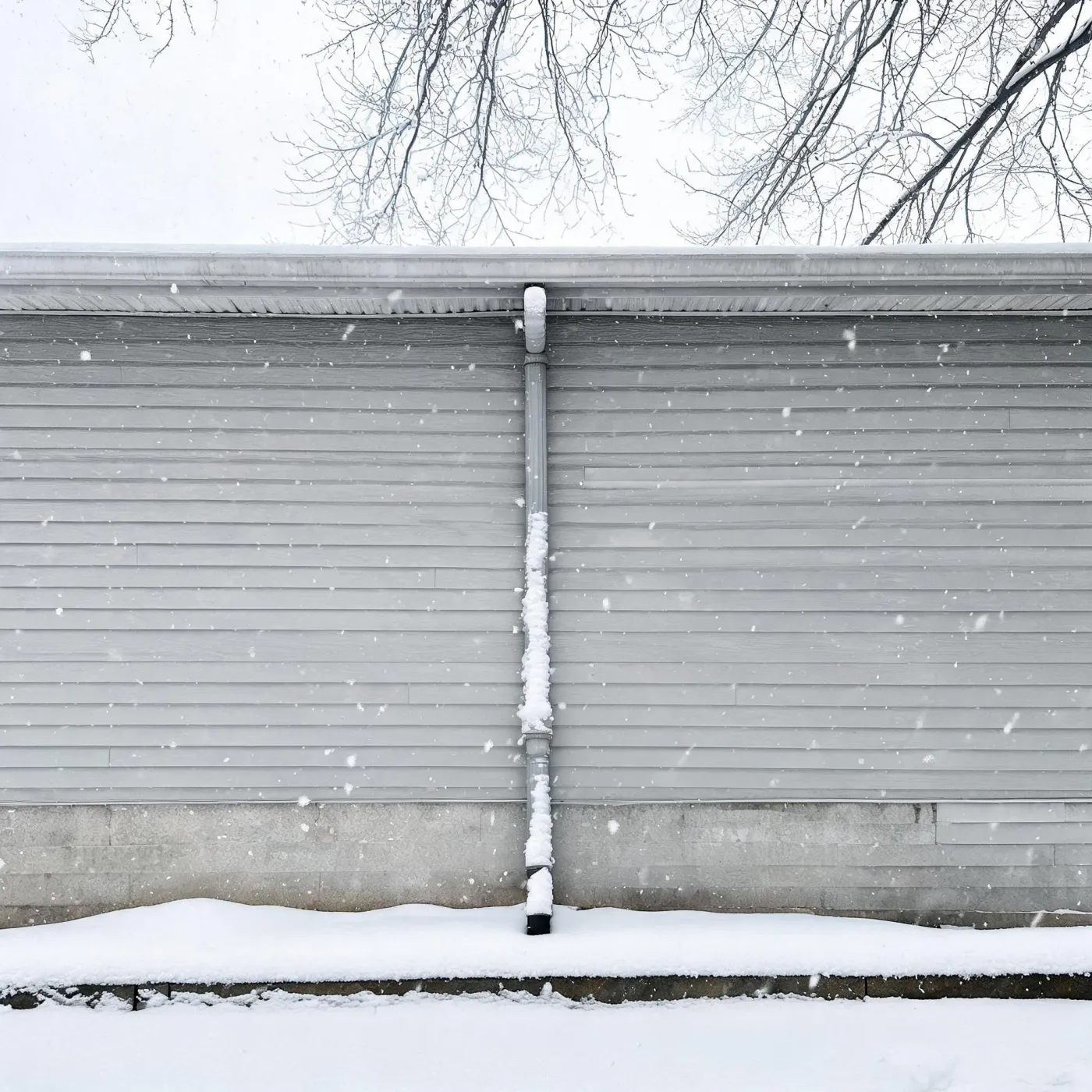
Gray horizontal lap siding on a building above a concrete block foundation, with a central downspout partly coated in snow, falling snowflakes, snow-covered ground, and bare tree branches against a white sky.

Winter nights average 27°F statewide, per NOAA data, and that's the temperature your furnace is up against the moment the power comes back on. A furnace doesn't ease into a cold house at that point, it has to recover from it, pulling the house back up from whatever it dropped to while the heat was off. That recovery stretch is harder on the blower motor and control board than normal cycling, which is exactly when a generator sized too small shows it. The furnace fires, runs a few seconds, and quits, right when the house needs it holding a steady cycle the longest.

NOAA nClimDiv 1991-2020 county normals weighted by homes

A closed laptop and a cream mug of coffee on a coaster sit on a dark wooden table, with a potted plant at left and a kitchen counter, tiled backsplash and shelf of ceramics in the background.

The right size keeps your furnace running when the power goes out

A gas furnace needs a generator sized for a small, steady load. A heat pump or electric furnace needs a lot more. Either way, the number only means something once it matches what's on your panel.

Getting that match made usually means calling around, asking each electrician whether they handle furnace hookups, and explaining your panel and your heating system more than once before anyone gives you a straight answer. Sending the form here replaces that whole search. You explain your situation once, and finding the right person to size and install the generator stops being something you have to manage.

A living room corner with a light beige sofa holding a textured taupe cushion, a large ceramic vase of olive branches by a window, a framed neutral artwork on the wall, and a dark bowl with stacked books in the foreground.
A curving paver walkway runs alongside a house with beige lap siding and a white-trimmed window, bordered by low shrubs, grassy plants, and trees in sunlight.
A dark-framed casement window with divided upper panes set in a stucco wall beside a stone-clad section, with hydrangeas, hostas and trimmed shrubs in a mulched bed above a lawn.
White horizontal lap siding wall with a single six-pane double-hung window, above a mulched bed of hydrangea shrubs with browning blooms, bordered by mown grass in low sunlight.
Interior corner with tan plaster walls, a potted olive tree in a large terracotta urn beside a floor-to-ceiling window, and a wooden bench with a beige cushion on a herringbone brick floor partly covered by a woven jute rug.
A wooden bench beneath a window holds a green linen cushion and a fringed cream throw, with a woven basket stored underneath on a wood plank floor.

One request and it's handed off

Fill out one short form instead of calling around.

Answer a few questions

Sending the form costs nothing.