



What winter here asks of a heat pump
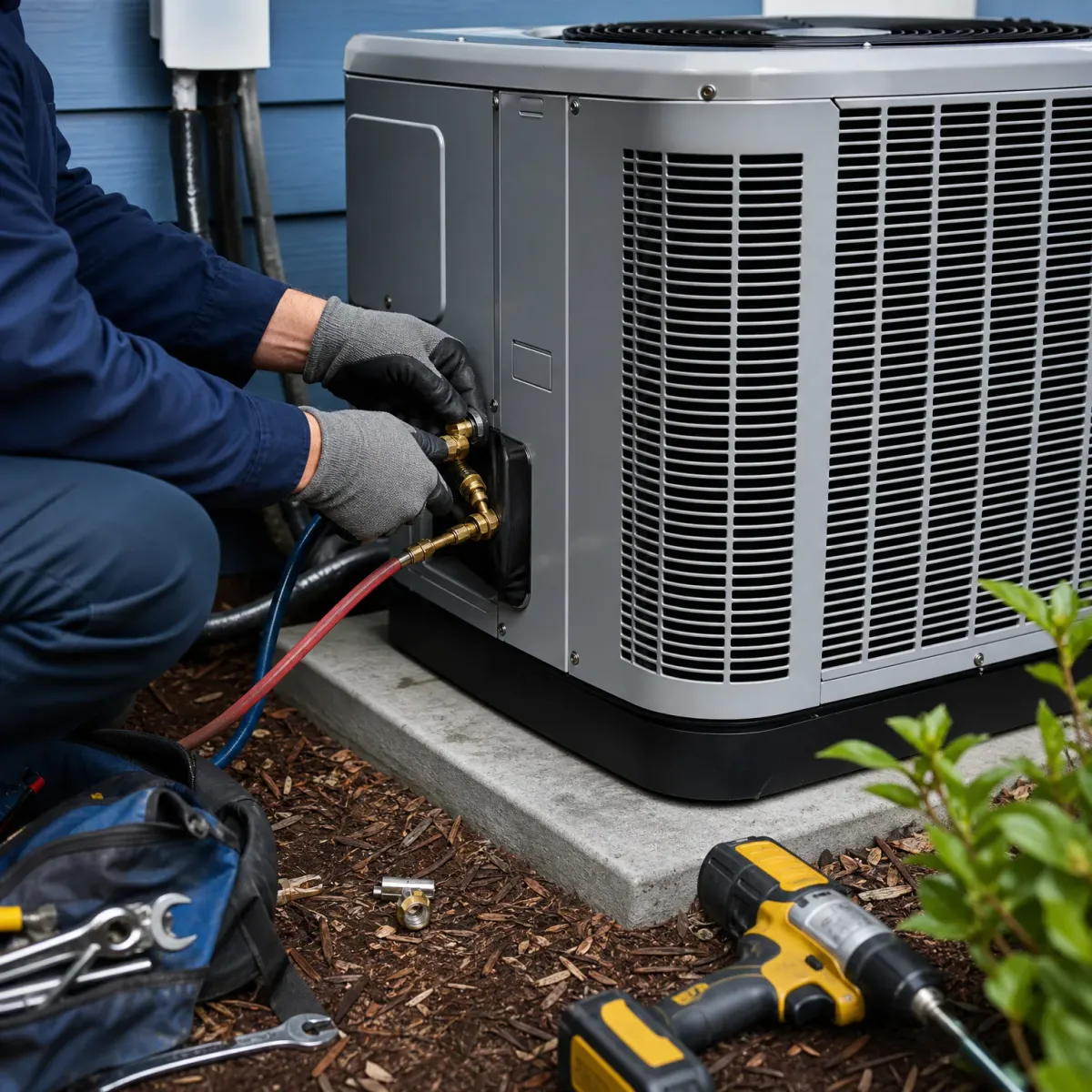
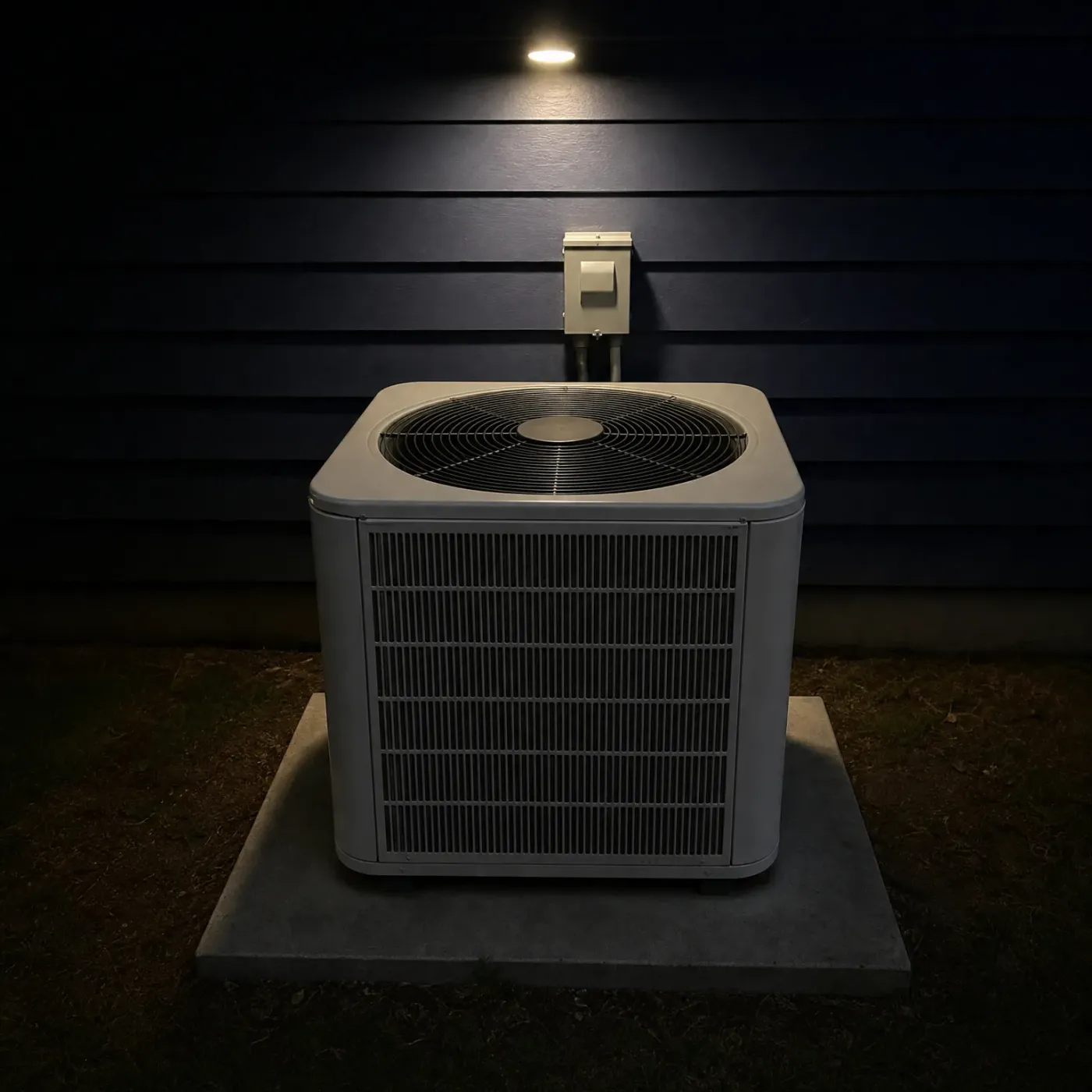
A heat pump will keep your house warm here, but it won't do the whole job by itself on every night. The overnight low in Charles County averages 29°F across December, January and February. That's below both marks that matter for a standard heat pump. Below 40°F outside, its heat output falls short of its rating. Below about 35°F, it often needs a backup heat source to make up the rest. Your winter nights sit under both lines on average, not just during the occasional cold snap.
That doesn't mean the house goes cold. It means the system leans on backup heat, usually electric resistance, to cover the gap. About 85 nights a year here fall to freezing or below, under half of the roughly 210 nights the heat runs from October through April. Almost none of them reach 0°F, fewer than one a year on average. So the backup is covering ordinary freezing nights, not extreme cold. A two-winter field test of cold-climate heat pumps in occupied homes found backup heat supplied only a small share of the total between 0°F and 35°F, and running on backup alone was rare even above 0°F. A heat pump carrying the ENERGY STAR Cold Climate mark has to prove, through third-party testing, that it still makes real heat at 5°F, so not every heat pump handles a Charles County winter the same way.
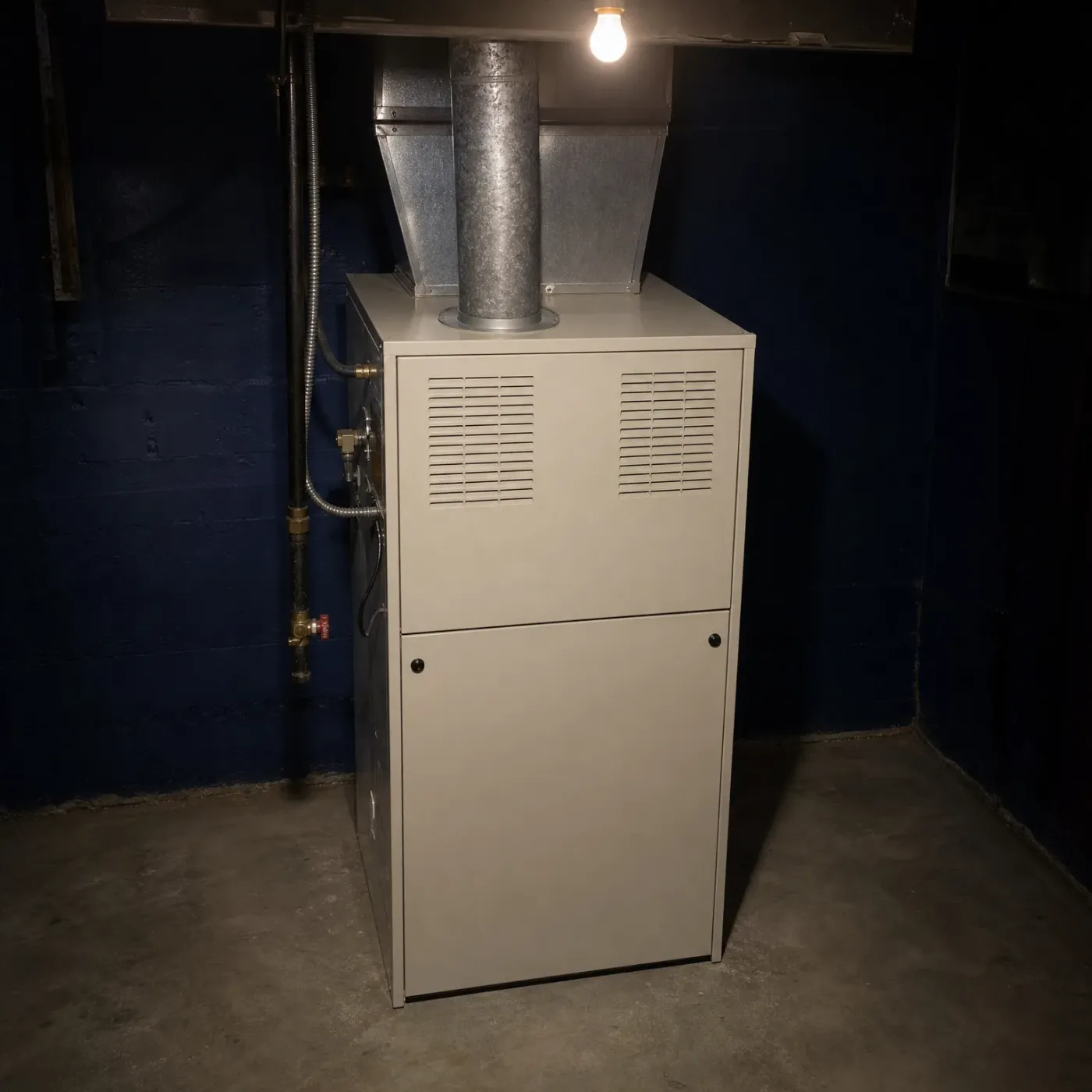
A gas furnace doesn't run into this at all. It makes its full rated heat whether it's 40°F outside or 10°F, because it burns fuel instead of pulling heat from the outside air. If steady, full-strength heat on the coldest night matters most to you, that's the furnace's case.