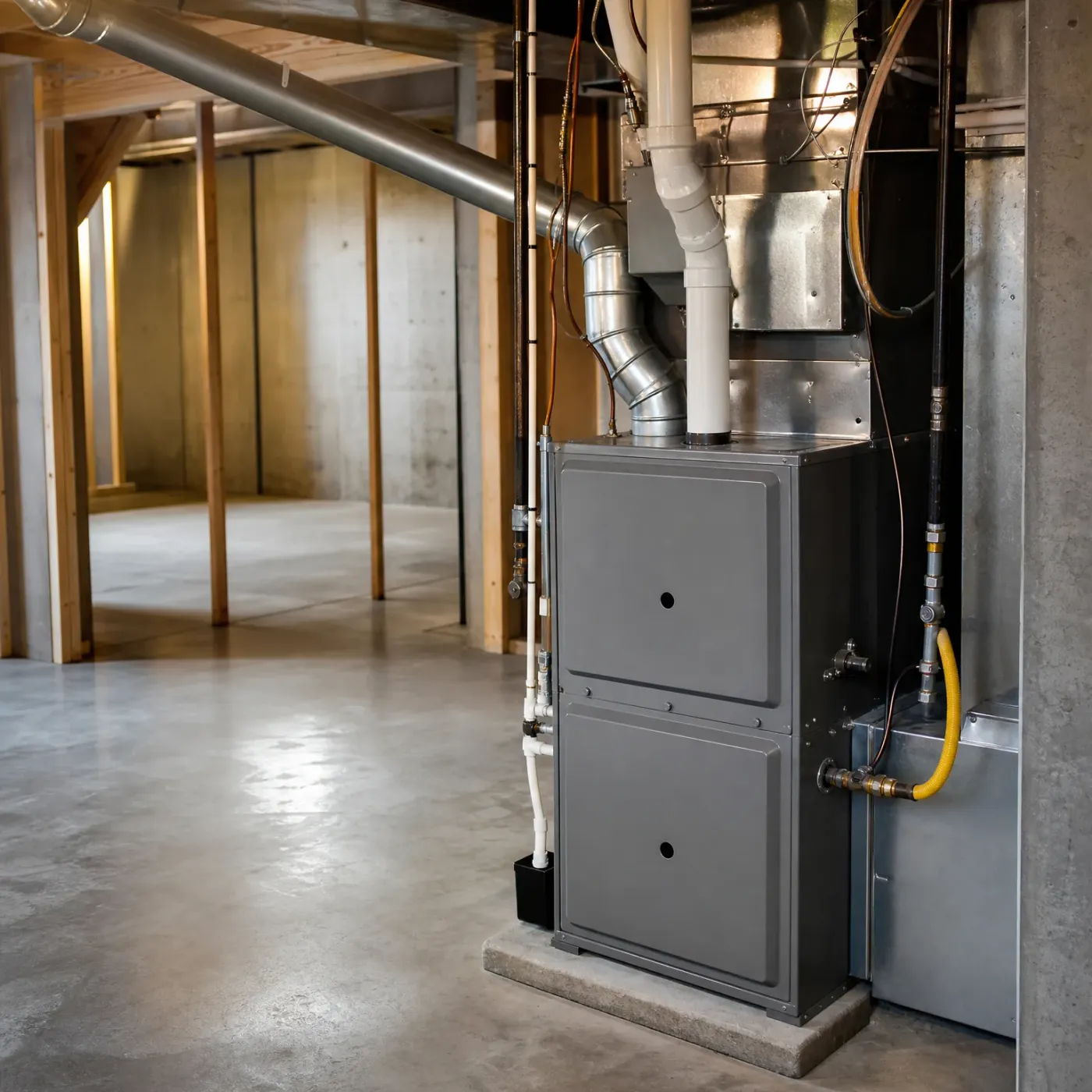
A gray high-efficiency furnace with PVC venting, copper and plastic piping, and a condensate pump sits beside sheet-metal ductwork in a concrete-floored basement.

Get the right pro for your furnace

Why your furnace filter gets dirty fast in Maryland

Your furnace filter goes gray in weeks instead of lasting the months it should, and you're ready to stop guessing why. This page gets into what pulls extra dust and dirt through a Maryland furnace, from the humid summers to a house that heats and cools on electricity. If you'd rather skip the research and get a straight answer for your system, a contractor can take a look and reach out to you directly.

Find a pro near me

A furnace filter in Maryland works harder than the time on the calendar suggests. Most homes here heat with electricity, and the same system that runs the furnace in winter is the one pushing cool air all through the sticky Maryland summer. That means the blower and the filter in front of it are running nearly year round, not just the months you think of as heating season. Every pass of air pulls in whatever is floating in the house, dust, pet hair, the fine grit that comes in through doors and windows left open on humid days. More runtime means more air pulled through that filter, and more air through it means it loads up faster than the box it came in ever promised. A filter rated for three months might be gray and clogged in five or six weeks here. Left too long, it chokes airflow, makes the system work harder, and runs up a power bill that is already not cheap in this state.

An older man with gray hair and a beard, wearing a dark coat dusted with snow, stands smiling in a doorway of a warmly lit home with a sofa, lamp and window visible behind him.
An older man with grey hair and a beard, wearing a dark coat dusted with snow, stands in a dimly lit entryway with a ceiling lamp, a side table with two shaded lamps, and a lit fireplace visible in a room beyond.
A bearded older man in a dark snow-dusted coat and scarf stands just inside a home's front door, with a lamp-lit room and snowy window visible behind him.
An older man with gray hair and a beard stands in a doorway of a home, wearing a dark coat dusted with snow, with a lit fireplace and lamp visible in the blurred room behind him.

The blower never really stops

If your heating and cooling share one system, the blower motor is the same part moving air in January and in July. Every time it runs, it pulls household air, and whatever is floating in it, through that filter. A furnace that only worked a few cold months would give the filter a rest most of the year. One that also runs the air conditioner from spring into fall doesn't give it that break, so the filter is catching dust on days you'd never think of as furnace weather.

Summer humidity adds its own load

Maryland summers run sticky, and a system pulling moisture out of the air along with dust is asking more of that filter than dry air would. Humid air carries more than the eye can see, and a filter rated for a normal month of use can look gray well before that month is out. Check the filter against the date on its packaging rather than the season. If it's dark or clogged ahead of schedule, that's the house telling you, not a guess.

A woman wrapped in a thick cream knit blanket sits in an armchair beside a lit table lamp, with an open book in the foreground and a frost-covered window behind her.
A woman in a cream knit sweater sits in an armchair with her eyes closed and head tilted back, beside a window showing orange autumn foliage and a wooden side table with a mug.

Every return vent in the house feeds the same filter, so a bedroom that stays closed up or a basement near a workbench can load it faster than the rest of the rooms account for. The filter's rating matters too. A low MERV number lets more pass through on the first trip, so the furnace has to move that same air past the filter again before it's caught. Go the other way, a filter rated higher than the blower can handle, and air starts slipping around the frame instead of through the media, which means it never gets filtered at all. Maryland's muggy stretches add weight to what's already in the air, since humidity carries dust and pet hair that a dry house wouldn't. A gap at the filter slot or a loose joint in the ductwork can pull in attic or basement air straight past the filter. And on the first real cold morning or hot afternoon, when the blower jumps to keep up, it pulls more air, and more of what's in it, through the filter at once.

Where the extra dirt comes from

  • Air comes back to the furnace through return vents, and every one of those vents pulls from a different room with its own amount of dust.
  • A filter rated MERV 8 or lower catches less on each pass, so more of what's in the air gets another trip through before it's trapped.
  • A filter that's too restrictive for the blower can let air sneak around its edges instead of through the media, which skips filtering altogether.
  • Humid air carries more than dry air does, so a muggy stretch means the filter is trapping moisture along with dust and pet hair.
  • A loose duct joint or a gap around the filter slot pulls in attic or basement air directly, bypassing the filter before it even starts.
  • The blower ramps up on the first cold mornings and the first hot afternoons, and that jump in airflow pulls more through the filter at once.
An older metal furnace with a louvered front panel stands against a concrete basement wall, connected to sheet-metal ductwork and a flue pipe, with copper and steel pipes running alongside.
Before you get your furnace maintenance
A beige high-efficiency furnace stands on a concrete basement floor beside sheet-metal ductwork, with white PVC vent pipes and a gas line running along an insulated wood-framed wall.
After you get your furnace maintenance
A gray gas furnace on a concrete pad in an unfinished basement, connected to sheet-metal ductwork, white PVC venting, and a yellow gas line, with concrete walls and wood framing in the background.

A pro who works on furnaces

Fill out one form instead of calling around for a furnace tune-up.

A local pro who services furnaces gets in touch about the tune-up.

Get my match

Sending the form costs nothing.

Leave It Alone or Get It Checked

Skip maintenance

  • The filter keeps catching whatever the blower pulls through it, and you only notice once airflow drops or the furnace struggles to keep up.
  • A clogged filter makes the blower work harder, and in a home that heats with electricity, that shows up on the power bill.
  • Dust that gets past a cheap or dirty filter settles in the ductwork, so the air coming out of your vents carries more of it.
  • Nobody checks the return vents room by room, so the ones pulling the most dust keep doing it unnoticed.
  • Small problems, like a filter that's the wrong size or rated too low to catch much, stay small problems until the furnace strains harder than it should.

Get it serviced

  • A contractor can check whether the filter you're using is rated high enough to catch more on each pass, given your home's returns.
  • Someone who knows what a Maryland summer does to a shared heating and cooling system can look at the whole setup, not just the filter.
  • A proper check catches a blower pulling harder than it needs to before that shows up as a higher electric bill.
  • You get matched with a contractor instead of searching, calling around, and explaining the same problem to every one you reach.
  • No comparing quotes on your own or repeating the story of a filter that grays out too fast. That part gets handled for you.
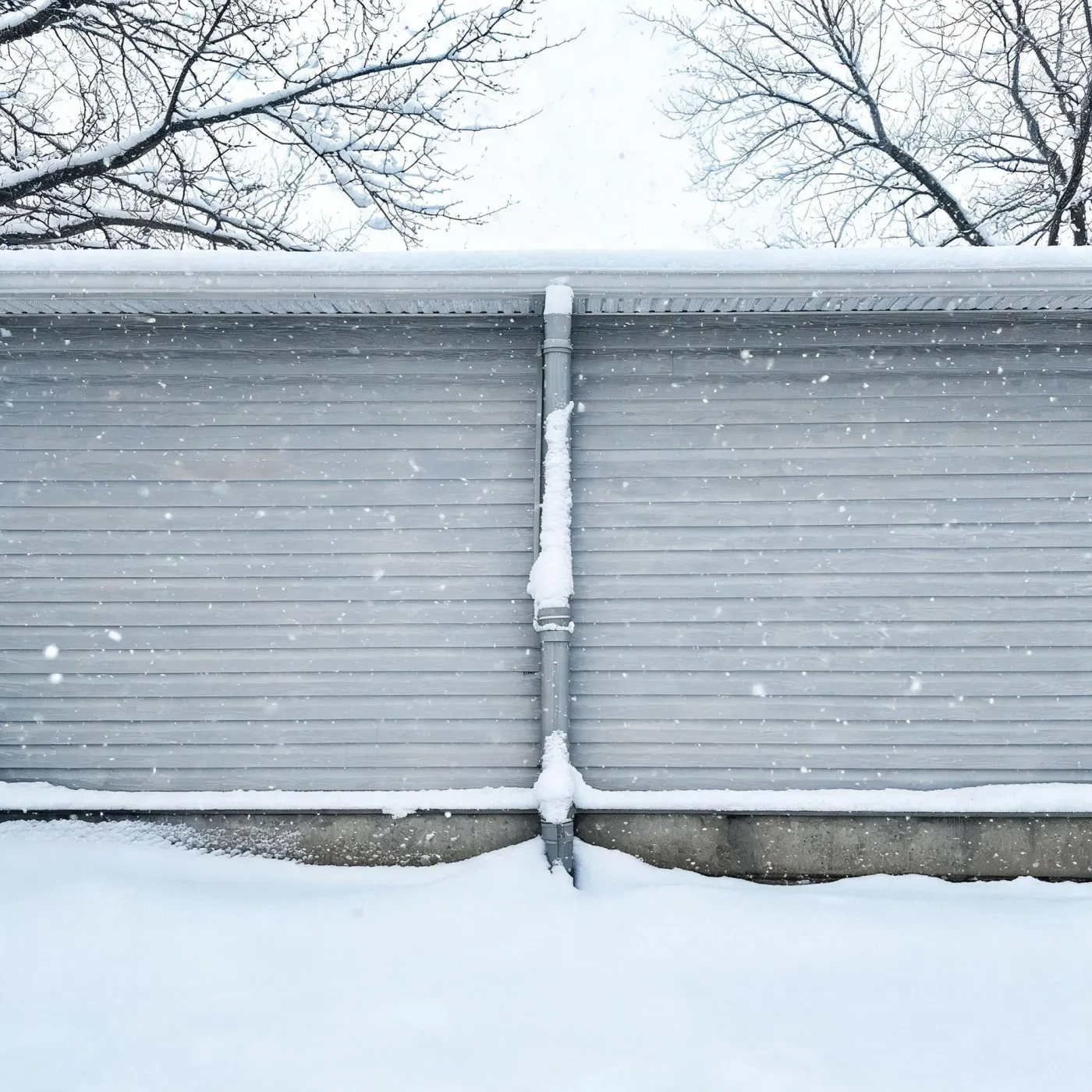
Exterior of a gray horizontal-lap-sided building with a snow-covered roof edge and a central downspout, seen during falling snow with deep snow on the ground and bare tree branches above.

Statewide, winter nights average 27°F, according to NOAA climate data. That's not brutal cold, but it's enough that your furnace blower is running for long stretches most nights, not just kicking on for a few minutes here and there. Every one of those long runs pulls more household air, and more of what's floating in it, through the filter. Pair that with a system that already does double duty cooling your home all summer, and you've got a filter working through two full seasons of heavy pulls instead of one short one. You'll notice it as a filter that looks gray well before the month it's supposed to last.

NOAA nClimDiv 1991-2020 county normals weighted by homes

What's actually happening to your filter right now

Pull the filter and look at it. If it's gray or matted after only a few weeks, that's not a bad filter, that's a blower that hasn't stopped moving air since summer. You might notice a room or two that never feels quite as warm as the rest of the house, or a faint burning smell when the furnace kicks on after the filter's been clogged a while. Vents near the floor collect more dust than you'd expect. None of that means something's broken yet. But a blower pushing air through a clogged filter runs longer to do the same job, and in a home that heats with electricity, that shows up on the bill before it shows up anywhere else.

  1. Household air gets pulled into return vents throughout the house.

  2. The filter catches dust, hair, and lint as air passes through.

  3. The blower pushes filtered air across the furnace's heat exchanger.

  4. Warmed air moves back out through the ducts into each room.

Winter nights average 27°F statewide

27°F doesn't sound severe, but it keeps your blower running long stretches rather than short bursts. Longer runs mean more air, and more dust, passing through the same filter night after night.

NOAA nClimDiv 1991-2020 county normals weighted by homes

Why your filter gets dirty fast

  • A dirty filter fast is the normal result of a blower that runs year round in a Maryland home, not a sign you did something wrong.
  • Electric heat means the blower works the furnace all winter and the air conditioner all summer on the same motor and the same filter.
  • Winter nights averaging 27 degrees statewide keep that blower on long stretches most nights, and summer humidity adds its own load.
  • Checking and changing the filter on a schedule matters more here than in a house where the system sits idle half the year.
  • Finding a contractor who services furnaces on a regular schedule means you stop searching, calling around, and re-explaining the same problem to every company you reach.
  • Once you're matched with a contractor, they reach out to you, so comparing quotes and sorting through callbacks is no longer something you have to do yourself.

A filter that grays out in a few weeks isn't failing. It's doing its job in a house where the blower barely gets a break. Electric heat ties your summer cooling and your winter heating to the same motor, so the filter that catches dust in July is the same one working through January. Add in nights that average 27 degrees across the state, and that blower is running long stretches most evenings, not short bursts. Summer humidity brings its own share of what gets pulled through the return vents. None of that is particular to your house. It's what electric heat and Maryland's year-round swings do to any system built the same way.

What changes the outcome isn't the filter itself, it's whether someone checks it on a schedule instead of waiting for it to look bad. A system that gets looked at regularly keeps pulling air the way it should, instead of making the blower push harder than it needs to.

Getting to that point usually means calling a few contractors, explaining the same filter problem each time, and sorting through whoever calls back first. Matching with a contractor who already handles this kind of maintenance skips that part. They reach out to you, and the comparing and re-explaining stops being your job.
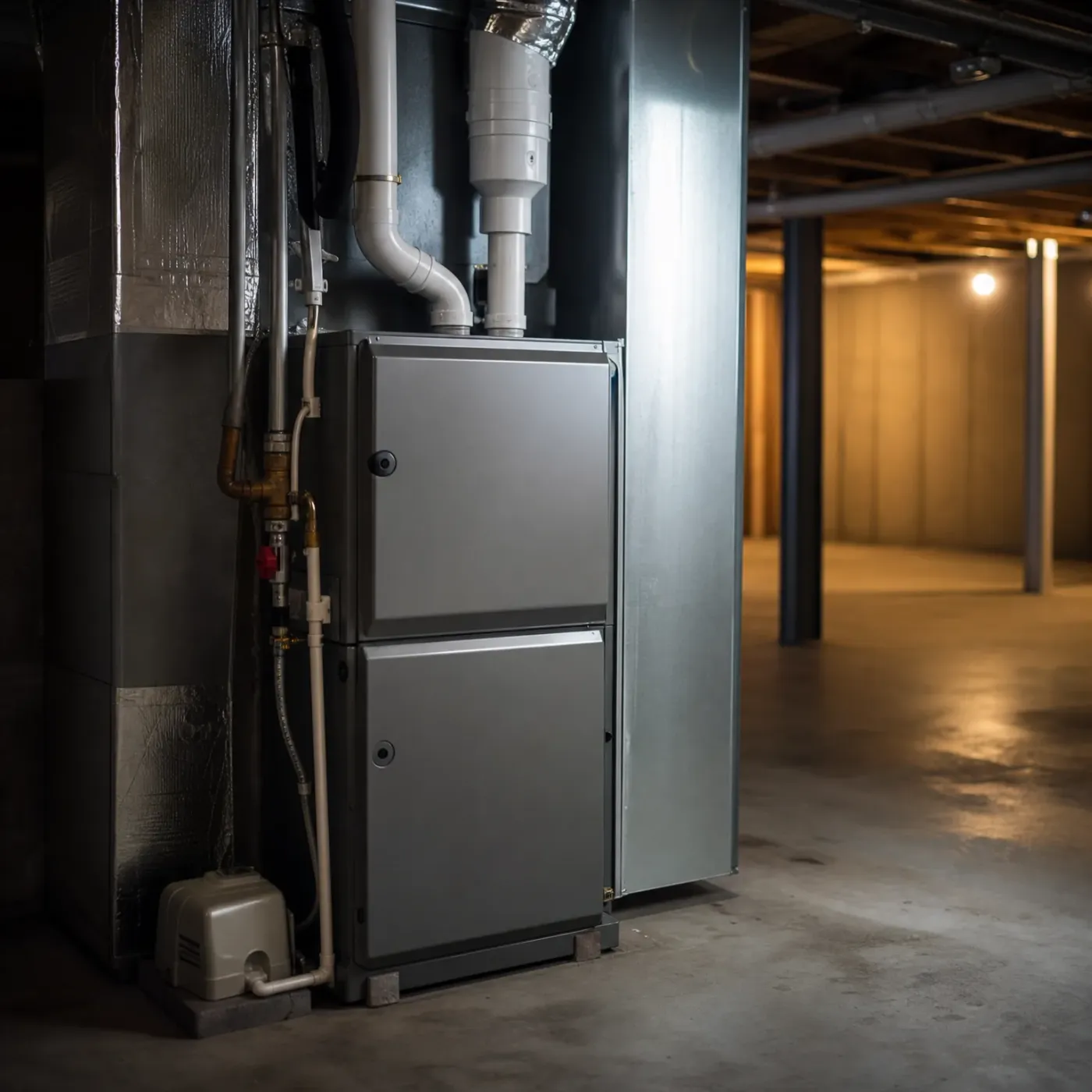

A gas furnace with attached PVC and metal piping and sheet-metal ductwork stands on a concrete pad in a dim unfinished basement with concrete walls and exposed floor joists.

Get your furnace to the right pro

Skip calling around to set up a furnace tune-up.

Tune-up, service, or cleaningFurnace or heatingMaryland
Step 1 of 2

What ZIP code is the job in?