A white picket fence runs along a grass lawn in front of a row of similar gabled houses with siding, beneath overhanging leafy tree branches.

Furnace Repair in Bowie, MD

Tell us about the job

Takes about a minute. No obligation.

RepairFurnace or heatingPrince George's County, MD
Step 1 of 2

What ZIP code is the job in?

Seven months of real work

Furnaces in Bowie run from October through April, with overnight lows averaging 28°F in December, January and February. That's a normal winter load for a furnace, not a hard one. Nothing about running those months should wear a system out early.

So look for the usual cause

When a furnace in a house like this starts acting up, it's almost always a known failure, not something unusual to the area. An igniter that won't glow, a flame sensor that's dirty, a blower that won't start. Finding which one it is matters more than guessing.

7 months
October through April, your furnace is on duty
28°F
the average winter night it heats against
53%
of homes here heat with gas, so most furnaces here burn gas
10 winter storms
in ten years, the nights a failure hurts most
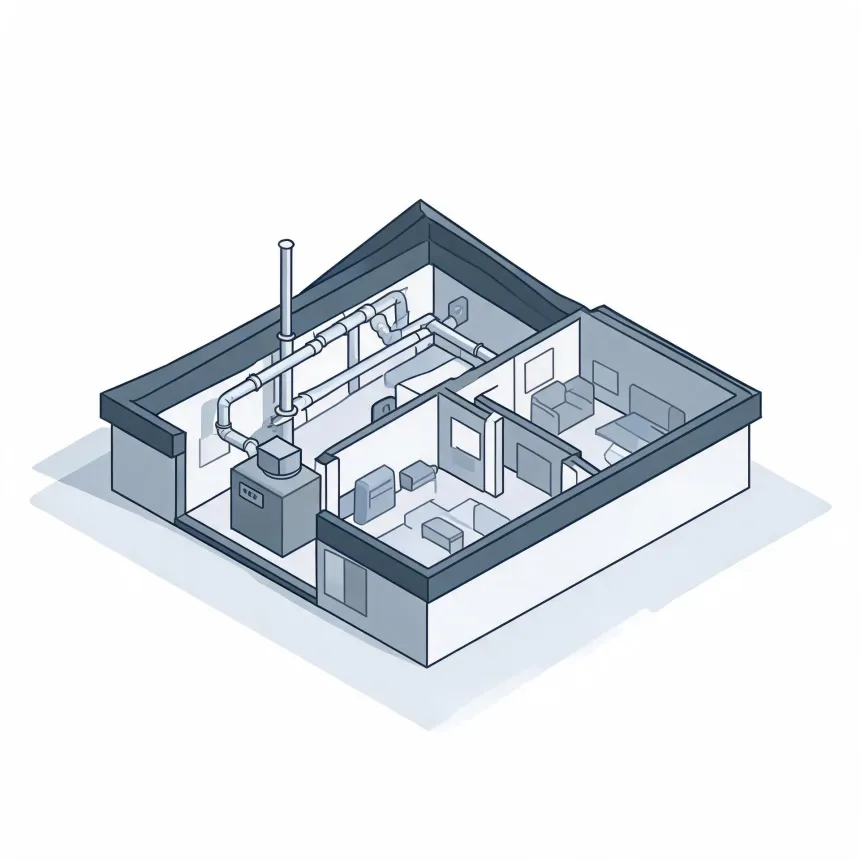
Isometric line illustration of a cutaway building interior showing a furnace unit with a flue pipe and ductwork running along the ceiling, plus adjacent rooms with simplified furniture.
Your furnace works hardest from November through March.

NOAA nClimDiv, 1991–2020 normals

Furnaces in Bowie start running in October.

September is the month to get a weak part found before it has to carry a full winter.

Prince George's County sees its share of wind and the occasional hail or ice storm, with 251 severe weather events logged over the last ten years. Most of that was damaging wind. None of it points at your furnace. Wind and ice take down power lines and tree limbs, not igniters and flame sensors. A good share of Maryland households lost power for a day or more last year, and whatever caused that has nothing to do with how a furnace is built or how hard it runs. If your furnace quit, look at the furnace. A power outage is a separate problem with a separate cause, and it is worth knowing the difference before paying someone to check the wrong thing.

Get the usual fix

Nothing about this area is especially hard on it. It's most likely the usual problem with the usual fix.

Find a contractor
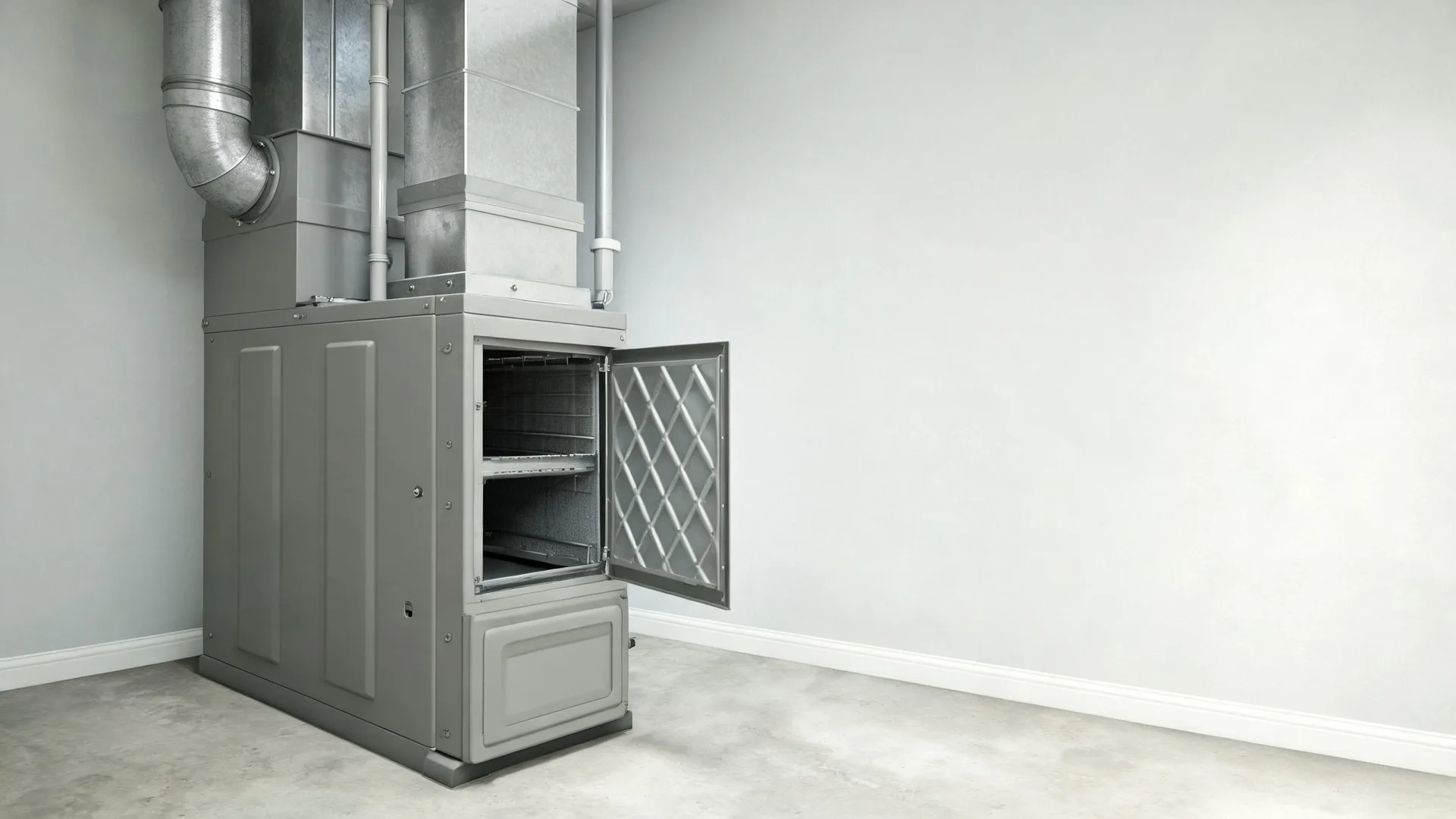
A gray residential gas furnace installed in an unfinished basement, surrounded by ductwork, a metal flue pipe, and a gas supply line.

What to check before you call

Before anyone comes out, check the thermostat is set to heat and the temperature is set above room temperature. Check the furnace switch, the one that looks like a light switch near the unit, and make sure it's on. Check the breaker it runs on. Check the filter. A filter clogged with dust can choke airflow enough to make the furnace shut itself off, and that's something you can see just by pulling it out and holding it to the light. If your furnace has a standing pilot, look for the small flame through the viewing window. If it's out, there's usually a lighting instruction printed right on the unit. None of this requires tools, and none of it risks making things worse. If the furnace still won't run after that, the problem is inside the cabinet, and that's where a homeowner should stop and a tech should start.

Most failures are electrical, not mechanical

An igniter cracks with age and stops glowing hot enough to light the gas. A flame sensor builds up a film of oxidation and tells the control board no flame is present even when there is one. A draft inducer motor wears out its bearings and won't spin up, so the furnace never gets past its safety checks. None of these involve the gas valve or the heat exchanger. They're small parts that fail on their own schedule, regardless of how the furnace was used.

The furnace often tells you which part it is

Most furnaces built in the last couple decades flash an error code through a small window or LED when they lock out. That code points to a specific fault inside the control board's memory. A furnace that short-cycles, turning on and shutting off again after a short run, is usually tripping a safety switch rather than failing outright. That pattern is worth telling a tech before they arrive, since it narrows down what they'll check first.

A gas furnace and sheet-metal air handler unit installed in an unfinished concrete basement.

A new furnace would cut about $120 a year off heating for a typical Prince George's County home.

  • A new high-efficiency furnace$530 a year
  • An older furnace$650 a year

Estimates for a typical Prince George's County home, compared with an older unit built to the previous federal minimum, from EIA household energy data, Maryland fuel prices and NOAA climate normals. Your home will differ.

Repair makes sense when one part has failed and the heat exchanger is sound.

Replacement makes sense when the heat exchanger is cracked or the furnace keeps needing parts.

A diagnostic visit starts at the thermostat and works inward. A tech checks that the call for heat is actually reaching the control board. Then the cabinet comes off and the furnace is watched as it tries to run through its normal sequence. The inducer motor spins up. The igniter glows or sparks. The gas valve opens. The flame sensor confirms the flame is there. Wherever that sequence stops is the problem. If the furnace locks out, the error code or flash pattern on the board usually points straight at the fault before a single part gets tested. From there it's a matter of checking that part directly, with a multimeter for electrical components or by eye for a cracked igniter or a sensor coated in film. A tech won't start swapping parts on a guess. Testing first means the part that actually failed gets replaced, not the one that seemed likely.