


What winter here actually asks of a heat pump
Your heat runs seven months a year here, October through April, so whichever machine you pick spends most of its life heating, not cooling. That alone makes the furnace question the one worth getting right.
The overnight low averages 28°F across December, January and February, and it drops to freezing or below on about 75 nights a year. Both of those numbers sit below the two marks that matter for a heat pump: its output falls short of the rating below 40°F, and below about 35°F it often needs backup heat to make up the difference. So on every one of those 75 nights, a standard heat pump here is working harder than its rating suggests and likely leaning on backup heat to keep up.
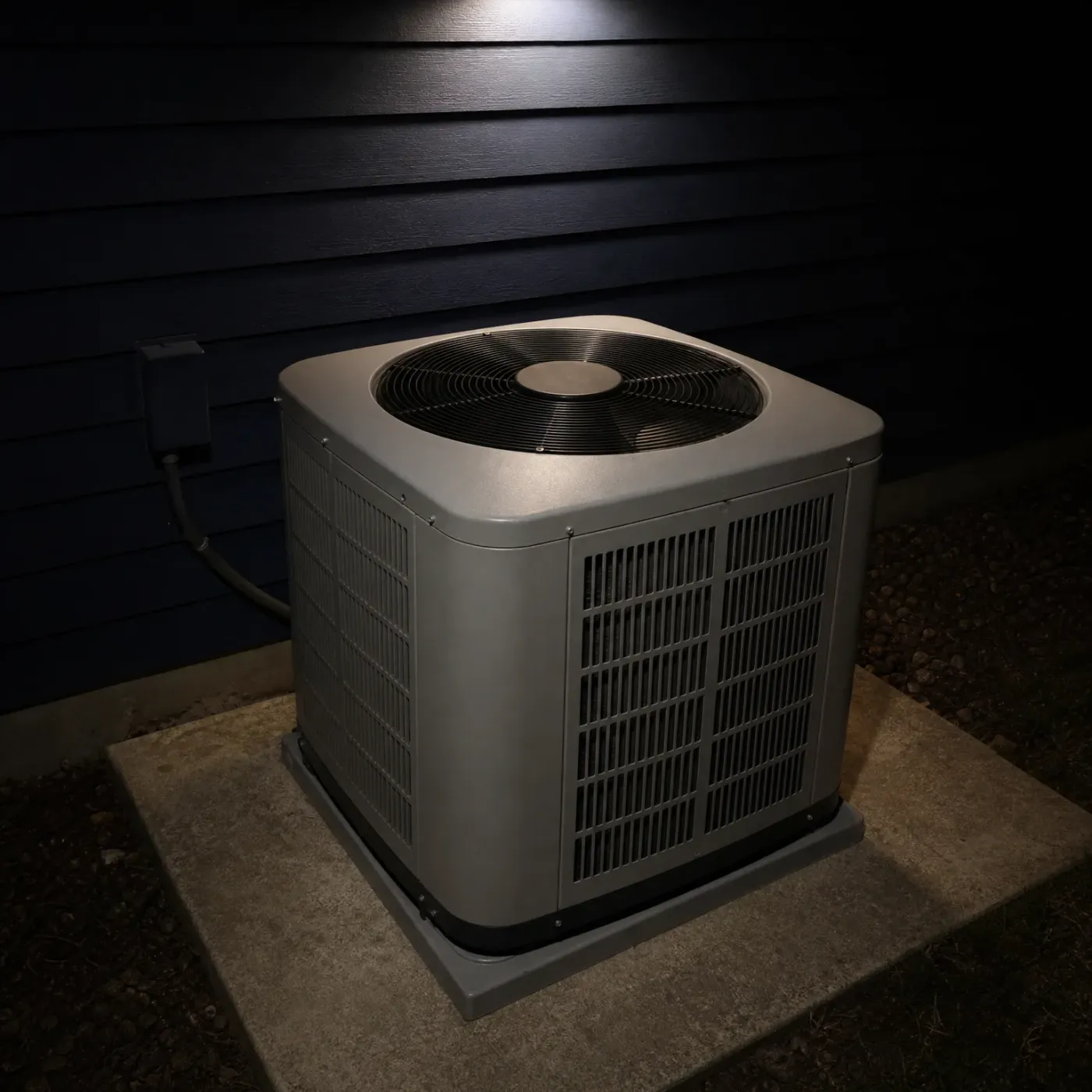
That doesn't mean the house goes cold. It means a standard heat pump needs backup heat built into the system for this county, and that backup is almost always electric resistance heat, the most expensive way to warm a house. A cold-climate heat pump changes this math some. To earn that label a unit has to still make 1.75 units of heat per unit of electricity at 5°F and hold onto 70 percent of its capacity at that temperature, tested by a third party, not claimed by the manufacturer. Field tests of prototype cold-climate units found backup heat covered only a small share of the heat needed between 0°F and 35°F, and running on backup alone was rare even above 0°F. Here, where only about one night a year reaches 0°F, that matters: a cold-climate heat pump is built for colder nights than this county mostly sees.
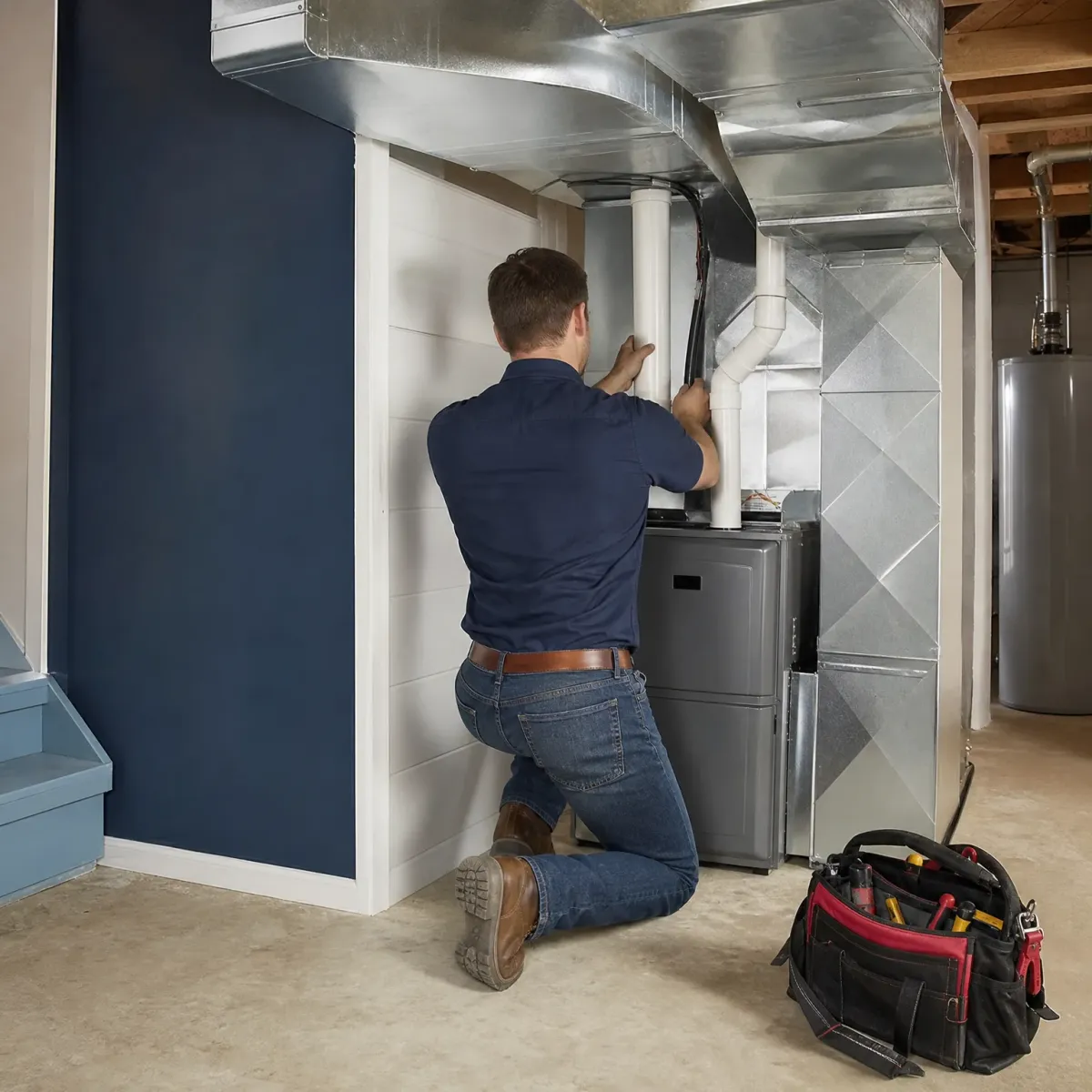
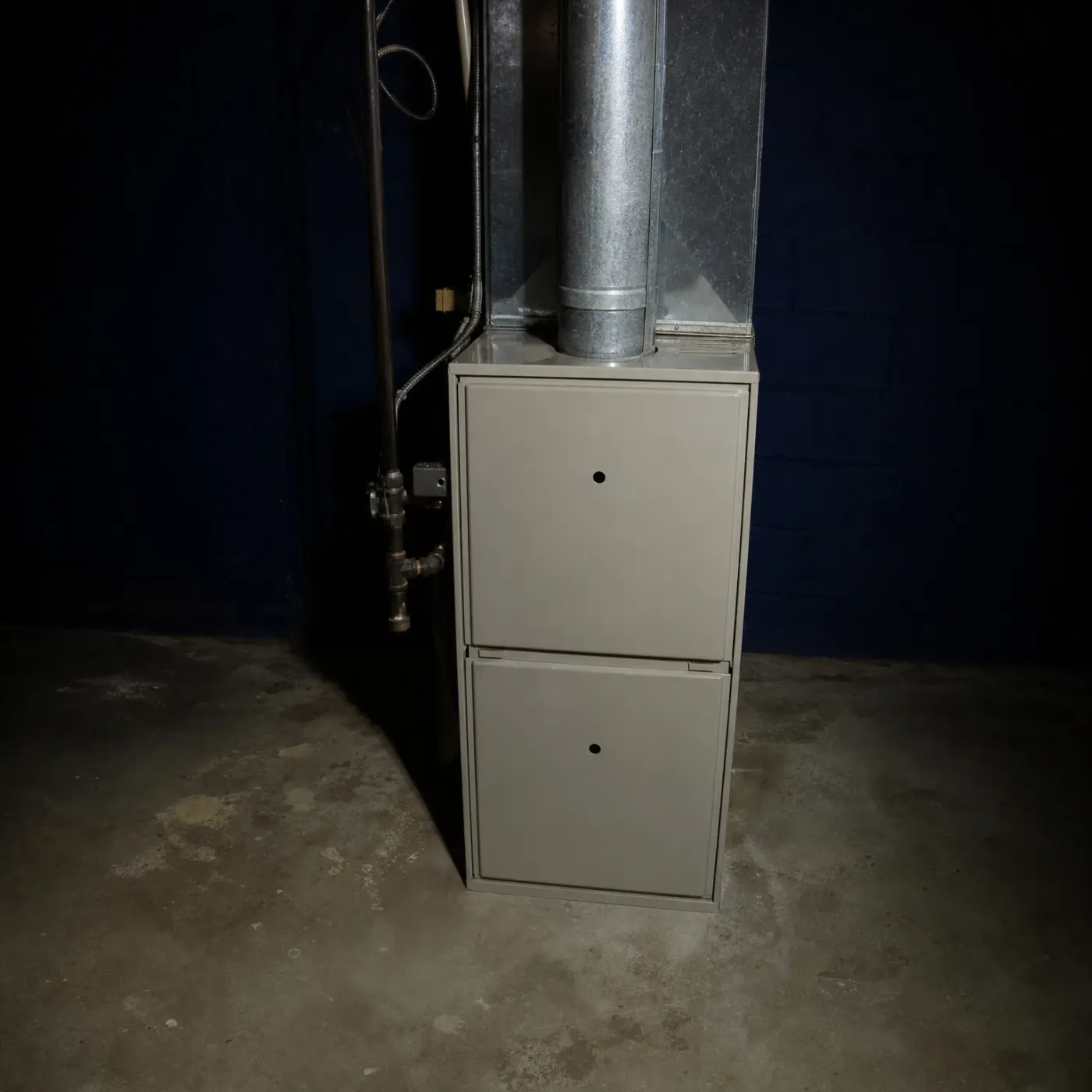
A gas furnace has none of this to think about. It burns fuel and makes heat, and the outdoor temperature doesn't change how well it does that. It also has nothing to do for the five months a year this county isn't heating, while a heat pump keeps working as the air conditioner all four months of cooling season, June through September. With a furnace you still need a separate central AC for those months.