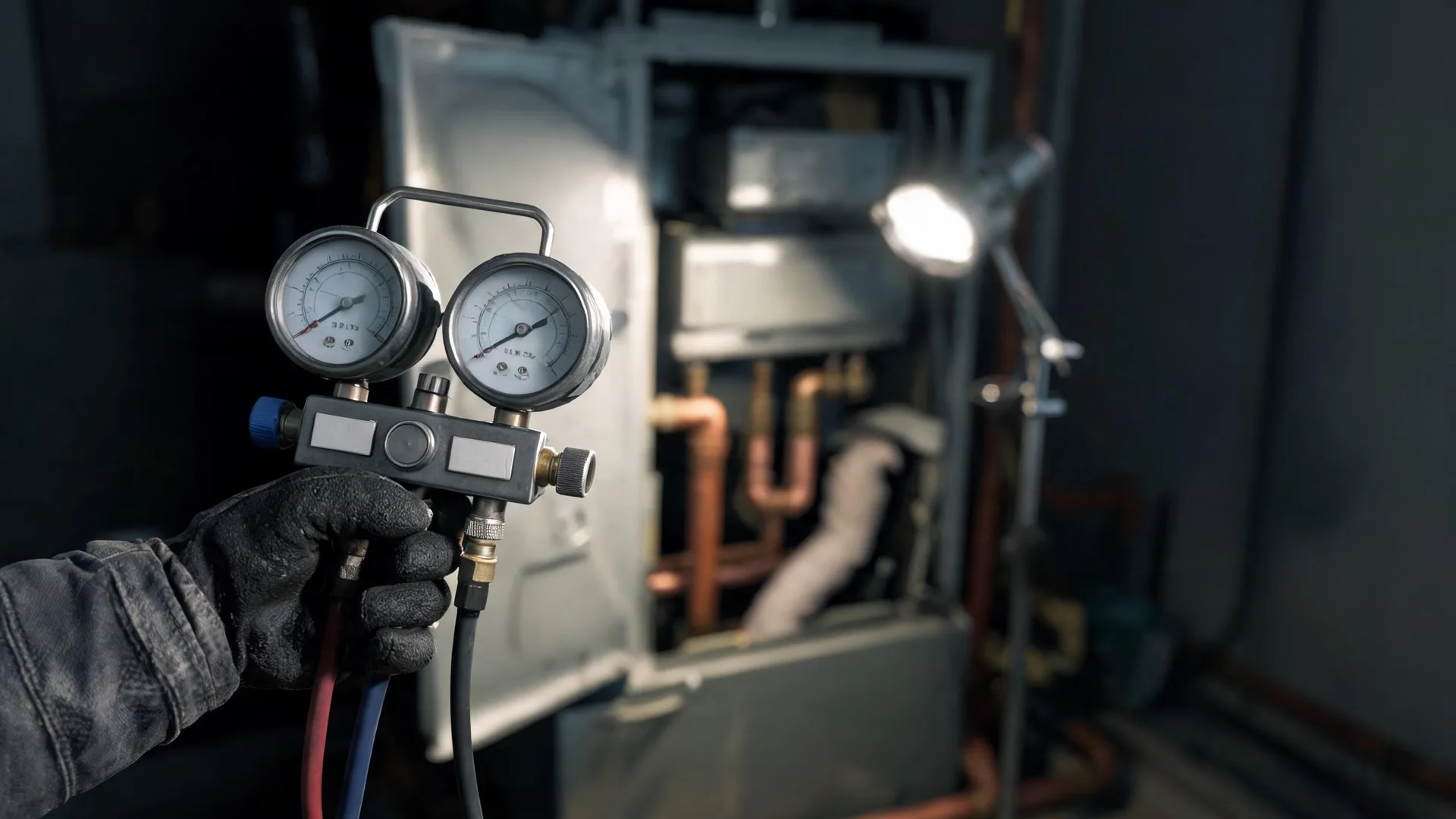
September is the month to catch it
Furnaces here sit idle from spring until October. A weak igniter or a failing blower motor can sit quiet all summer and only show itself once the system has to run every day.
Takes about a minute. No obligation.
Furnaces here sit idle from spring until October. A weak igniter or a failing blower motor can sit quiet all summer and only show itself once the system has to run every day.
Once heat is running most of the day, October through April, anything already marginal gets found fast. A furnace repair call in the first few weeks of the season is usually about something that was already wearing out, not something new.
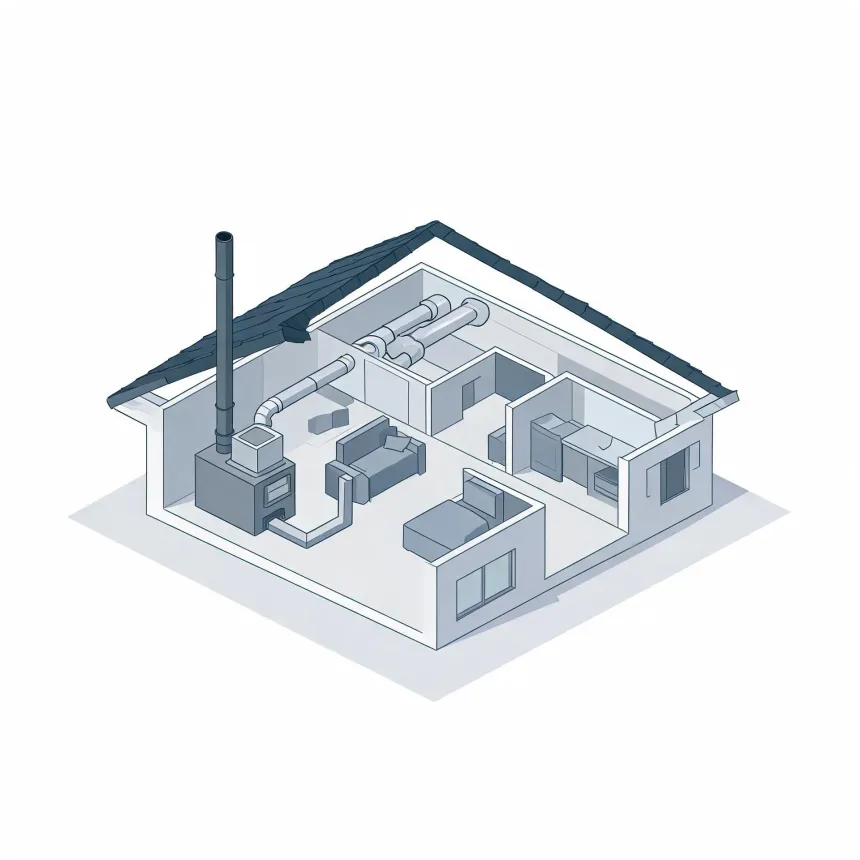
NOAA nClimDiv, 1991–2020 normals
Furnaces in Wicomico County run from October through April, with overnight lows averaging 29°F in January.
A furnace that only struggles to keep up on the coldest nights usually has one weak part, not a failing system.



Maryland electricity ran $52.34 per million Btu in 2024, among the higher rates in the region. A furnace that short cycles, runs longer than it should, or struggles to hold temperature on a cold night is pulling more power to do the same job. That cost shows up on every bill until the actual part gets fixed. A furnace running on a cracked heat exchanger or a dirty flame sensor isn't heating the house any better for the extra it's drawing.
A furnace pulling extra power to fight a bad part keeps costing you until that part is replaced. Get it looked at and let a contractor get it running the way it should.
Find a contractorHalf the homes here are newer builds, which means half the furnaces in them haven't had decades to wear down. If yours came with the house, a broken igniter or a failed control board is usually a part swap, not a sign the unit is finished. Worth asking a contractor to repair it first and see what it actually needs.
Check that the thermostat is set to heat and the temperature is above room temperature. Check the furnace switch, it looks like a light switch on or near the unit, and make sure it's on. Check the breaker it runs on. Check the air filter, a filter packed with dust chokes airflow and can shut the furnace down on its own.
Don't pull the burner cover or go near the flame sensor or igniter. A furnace that smells like gas, trips its breaker right after reset, or shuts off on a safety switch repeatedly needs a contractor, not another attempt to restart it. Repeated shutdowns are the system protecting itself from a problem that won't clear on its own.
A furnace that's about to need a repair usually tells you before it quits outright. It might take a few tries to light, or you'll hear a clicking sound that goes on longer than it should before the flame catches. Short cycling is another one, where the furnace fires up, runs a few minutes, and shuts off before the house warms up. Some furnaces blow air that's not as warm as it used to be, which points to a burner or heat exchanger problem rather than the blower. A burning smell the first time it runs after months off is normal and should clear fast. If it lingers, or you smell gas, that's not something to wait out.
A diagnostic visit starts with questions, not tools. What the furnace is doing, when it started, whether it's one room or the whole house. From there a contractor checks the thermostat call, the power to the unit, and the gas supply before opening anything up. Inside, they're looking at the igniter or pilot, the flame sensor, the gas valve, and the blower, usually in that order, since that's the order the furnace itself fires in. A combustion check and a look at the heat exchanger come next if the furnace is running but not performing right. Most of the time the cause is one part, not the whole system, and the visit ends with that part named and a straight answer on whether it's worth replacing.