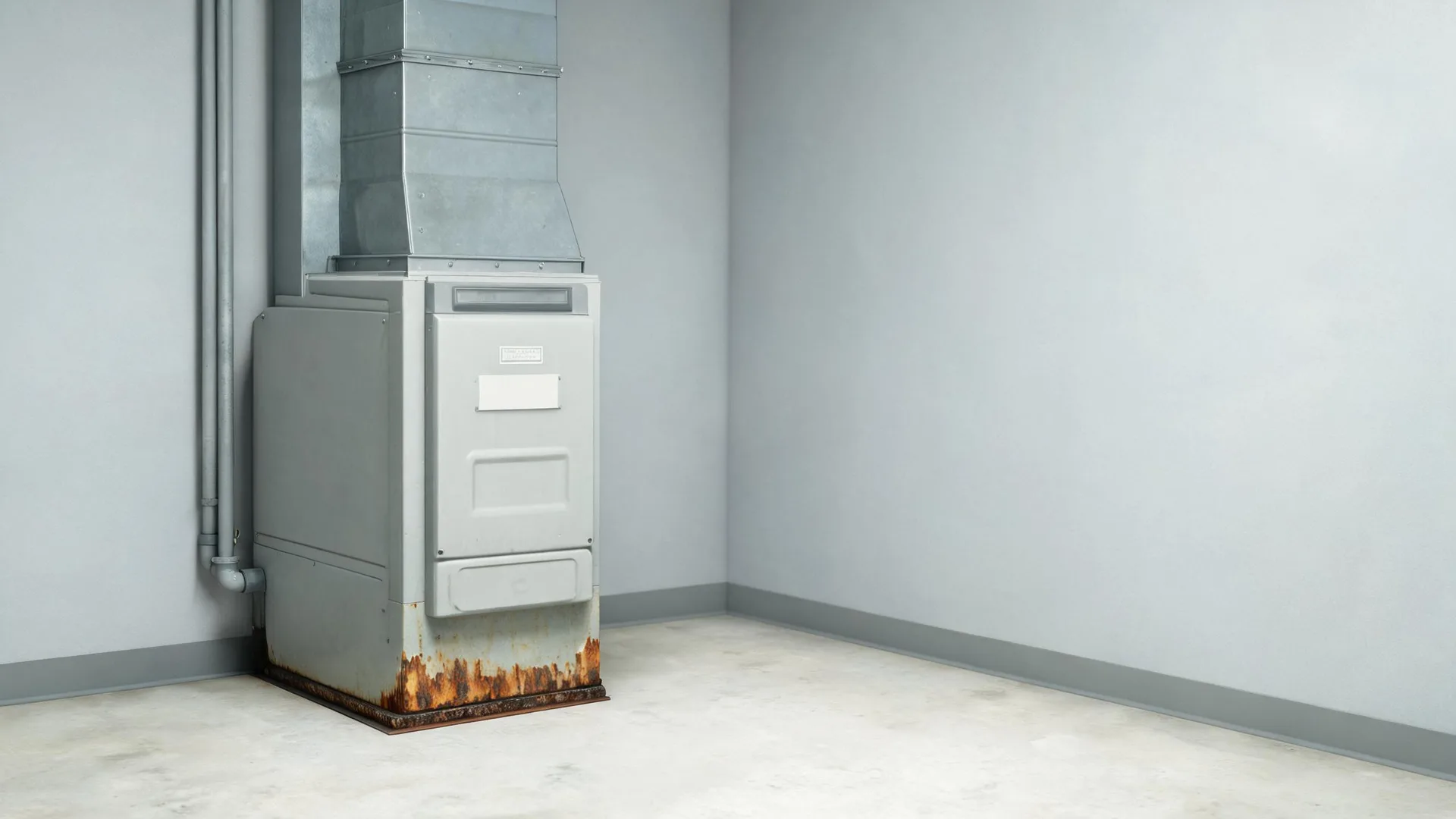
September is the month to get it looked at
Furnaces here sit idle from spring until October. A furnace that goes quiet for months will show you its weak spot the first cold week it has to work, not before.
Takes about a minute. No obligation.
Furnaces here sit idle from spring until October. A furnace that goes quiet for months will show you its weak spot the first cold week it has to work, not before.
Seven months of regular use is enough to wear down an igniter or a blower motor past the point of limping along. Getting it fixed now means finding that part before it picks the coldest night to quit.
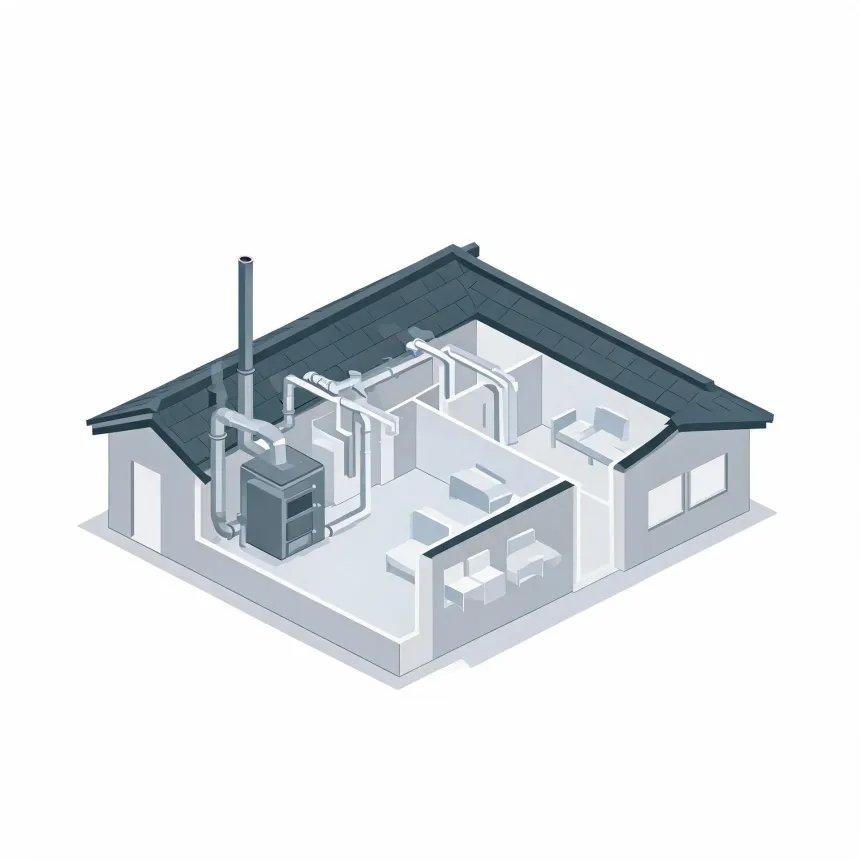
NOAA nClimDiv, 1991–2020 normals
Furnaces in Ocean City run about seven months a year, October through April.
A furnace acting up after a stretch like that is almost always a worn part, not a sign anything unusual is going on.




If your furnace came with a newer build, there's a good reason to fix what's wrong instead of replacing the whole thing. A worn igniter or blower motor doesn't mean the unit itself is done. Ask whoever comes out to tell you straight whether the problem is a part or something bigger, and let that answer decide, not the fact that something finally broke.
Get the part diagnosed now, while it's one repair instead of a bigger bill. Ask whoever comes out to tell you straight what's wrong and what it's costing you to leave it that way.
Find a contractorA furnace tells you something is wrong before it quits outright. The burner flame should burn steady and blue. If it's flickering yellow or orange, it's not burning the fuel clean, and that's worth a call on its own. Listen for banging or rattling when it kicks on, that's often a sign the blower wheel or motor mount has worked loose. A clicking igniter that won't catch means it's on its way out. Short cycling, where it runs for a few minutes and shuts off before the house warms up, usually points to a clogged filter or a failing flame sensor. And if some rooms are warm while others stay cold, air isn't moving the way it should, which can mean a duct problem or a blower that's lost strength. None of these mean the furnace is done. They mean a part is wearing out, and the sooner it's looked at, the more it's a repair and not a replacement.
The igniter has to heat up and light the burners every single cycle, and that repeated heating is what wears it out. A flame sensor fails differently, it gets a coating of residue over time until it can't tell the burner is lit, so the furnace shuts itself off as a safety measure. Both are common, both are normal wear, and neither means anything else is wrong with the unit.
The blower runs longer than any other part each cycle, pushing air through the house the whole time the furnace is on. Over years the bearings wear down, the motor mount loosens, or the capacitor that gets the motor started weakens until it can't spin the blower wheel up anymore. A motor on its way out usually gets loud before it quits, which is why banging or rattling on startup is worth paying attention to.
A furnace with a bad igniter or a dirty flame sensor doesn't just sit there misfiring. It tries, fails to catch, and shuts itself off, over and over, every time it calls for heat. Each failed attempt is wear on the parts around it, the hot surface igniter especially, since it's built to take a certain number of heat cycles before it cracks. A blower motor running on worn bearings is doing the same thing to itself. It keeps spinning because that's its job, but the wobble that comes from a loose bearing puts strain on the motor mount and the bearing itself, and that strain compounds every hour the motor runs. Let a small problem keep cycling long enough and it drags the parts around it down too. That's the difference between catching it early and catching it after it's taken something else with it.
A diagnostic visit starts with the tech making the furnace do what it's been doing. If it's short cycling or not catching, they want to see that happen, not just hear about it. From there it's one check after another. Does the igniter glow or spark the way it should. Does the flame sensor read a lit burner once the flame is up. Is the flame itself steady and blue, or flickering yellow. Does the blower come on strong, or does it hesitate and rattle. The filter comes out and gets checked too, because a starved system can act like a failing part when the real problem is just airflow. Panels come off to look at the blower wheel, the motor mount, the wiring at the control board. The goal is finding the one part actually causing the problem, not swapping parts until something works.