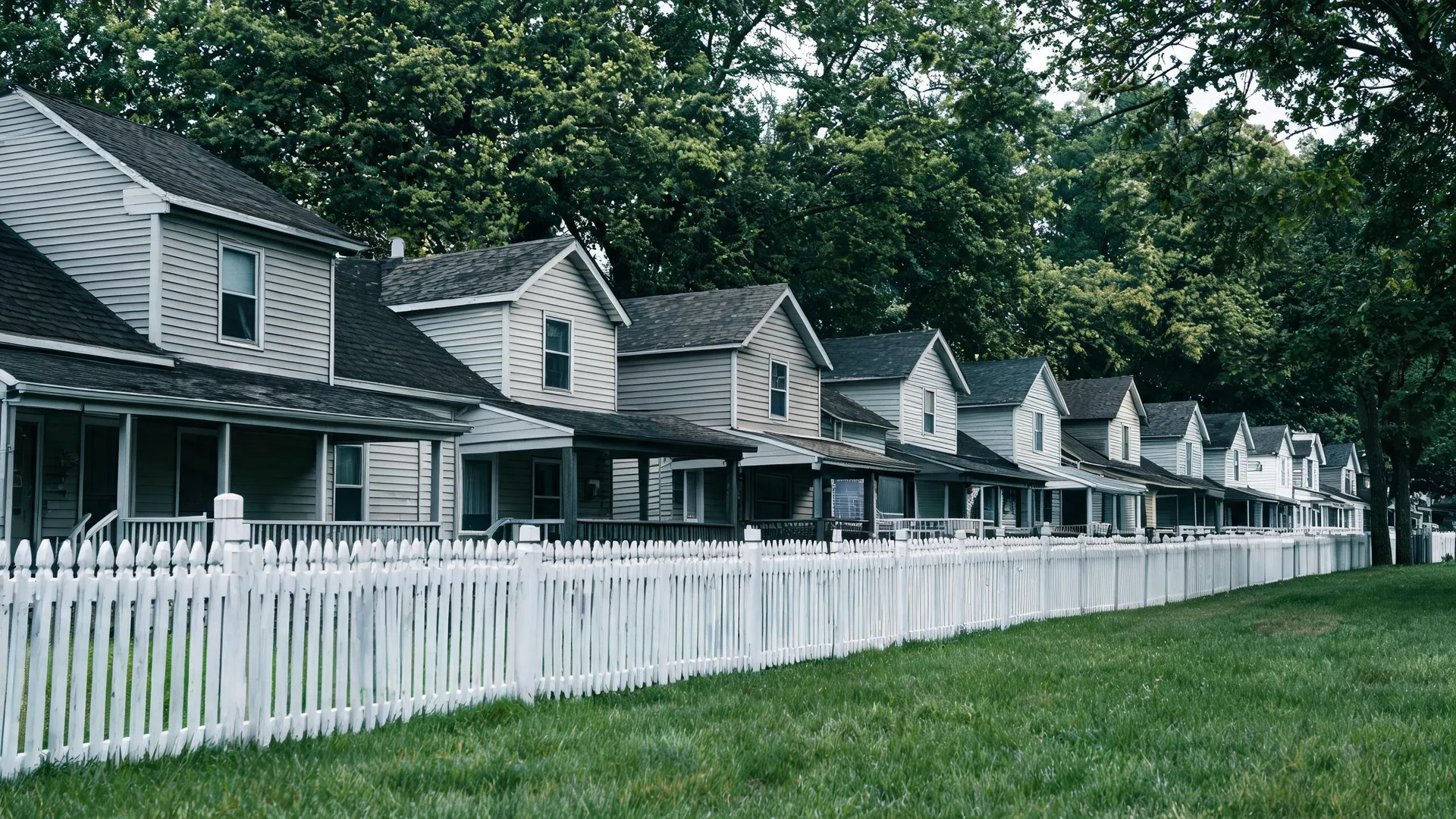






A row of similar gable-roofed wood-sided houses with porches behind a long white picket fence, with mown grass in the foreground and large leafy trees behind.

Furnace Repair in Mountain Lake Park, MD

Tell us about the job

Takes about a minute. No obligation.

RepairFurnace or heatingGarrett County, MD
Step 1 of 2

What ZIP code is the job in?

Furnaces in Garrett County run from September through May, close to nine months straight. Overnight lows average 21°F across December, January and February, so the furnace is not just running, it is working hard to keep the house warm. That kind of runtime wears on the igniter, the blower motor, the heat exchanger, parts that would get more rest in a milder place. When a furnace here starts acting up, it is usually tied to that load, not bad luck. Worth having someone look at what's actually going on before it gets worse.

9 months
September through May, your furnace is on duty
21°F
the average winter night it heats against
Isometric cutaway illustration of a house with a shingled gable roof, showing a gray furnace unit connected to overhead ductwork and a chimney flue, with simplified furniture in the rooms below.
Your furnace works hardest from November through March.

NOAA nClimDiv, 1991–2020 normals

A furnace that won't start might just have a tripped switch or a thermostat set wrong.

Check the switch, the thermostat and the filter before paying someone to find the same thing.

Nine months of heat means September is when a weak part fails first

Heat runs September through May
Winter nights average 21°F
Climate zone 5A
Nine months of heat, one winter of strainOvernight lows average 21°F through December, January and February.

Half the homes in Garrett County were built in 1982 or earlier, half in 1982 or later. If your house falls in that newer half, your furnace hasn't had to survive as many winters as an older home's would have. A broken igniter or a failed blower motor doesn't mean the unit is done. It usually means one part gave out while the rest of the system is still good. Worth finding out which half your house falls in before anyone starts talking about replacement.

Get it diagnosed properly

Your furnace works hard here, and that's usually what's behind the problem. Have it diagnosed properly so the fix lasts.

Find a contractor
A gray residential gas furnace installed in an unfinished basement, connected to sheet-metal ductwork and PVC pipes.

The furnace usually tells you before it quits

A furnace gives warning before it quits. A burner that won't stay lit, a blower that runs but pushes cool air, a cycle that's shorter than it used to be, these show up weeks before the no-heat call. The igniter glows and fails to catch gas, or the flame sensor gets a film on it and stops reading a flame that's really there, so the system shuts itself down as a safety measure. A blower motor nearing the end makes itself known too, with a grinding or squealing sound, or by just running slower than it should. None of that is random. Parts wear on a schedule tied to how many hours they've run and how hard they've had to work in those hours. Catching the early sign and dealing with that one part is a different job than waiting for it to take the heat exchanger or the control board down with it.

Most failures trace back to ignition

A gas furnace has to prove it's got a flame before it'll keep running, and that proving step is where most no-heat calls start. The igniter cracks with age and stops glowing hot enough to light the burner. The flame sensor builds up a film and can't tell the control board a flame is there, even when it is. Either way the furnace shuts itself off rather than run unsafely. It's doing what it's supposed to do.
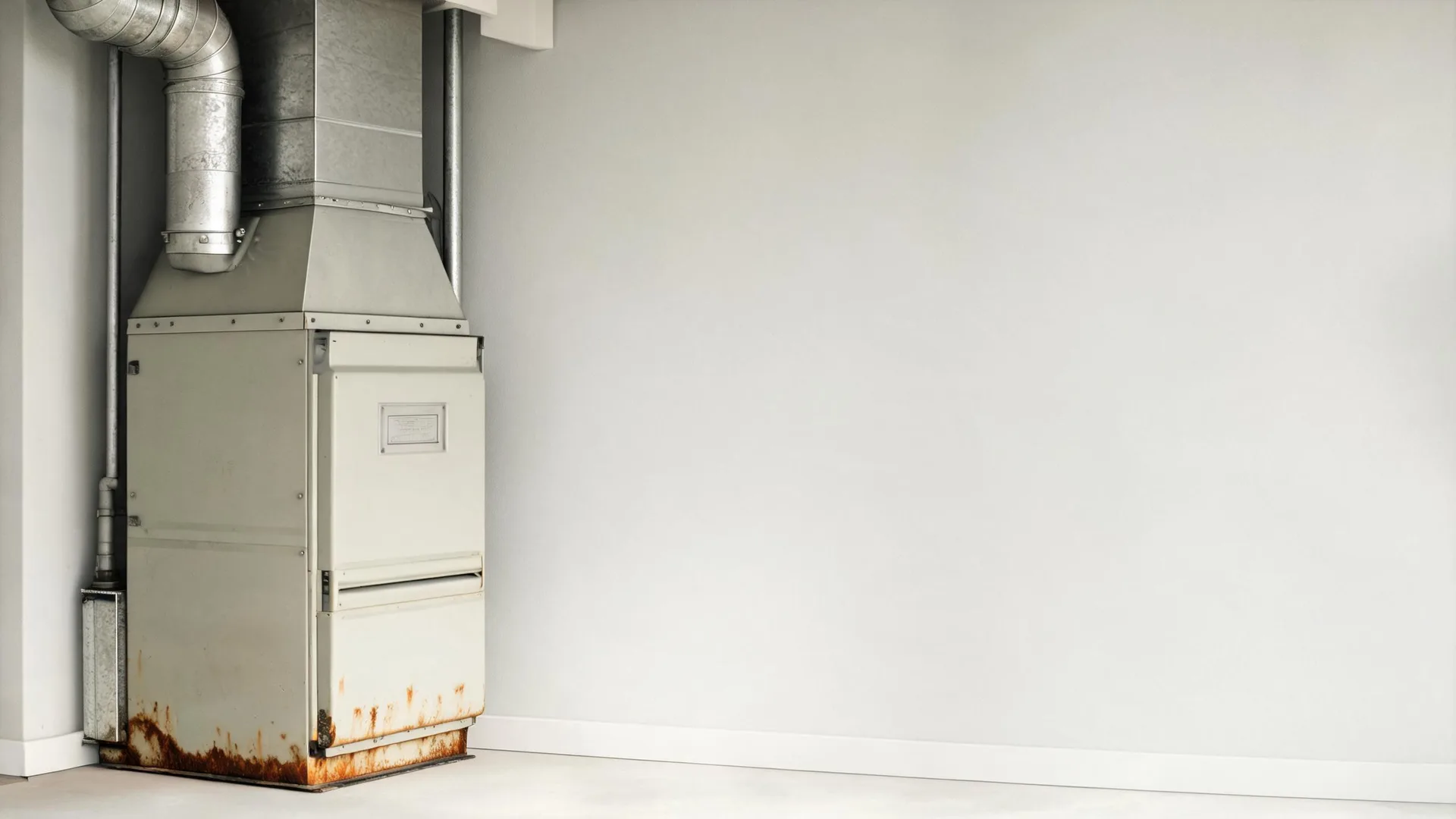
The blower is the other common point of failure

The blower motor runs every time the furnace calls for heat, and bearings wear out from that cycling over time. A motor on its way out usually grinds or squeals before it quits outright, or it slows down and leaves you with weak airflow out of the vents. A capacitor can fail too, which keeps the motor from starting even though it still hums. None of this means the furnace itself is bad. It means one part reached the end of what it had.

A furnace that's struggling still tries to do its job, and that's the problem. A cracked heat exchanger left alone keeps running, drawing combustion gas into the airstream instead of venting it outside. A blower motor with worn bearings keeps spinning until the bearing seizes, and sometimes it takes the motor windings with it. A flame sensor caked with film makes the burner cycle on and off rather than stopping clean, and that short-cycling stresses the igniter on every restart. The failure that started small doesn't stay contained to one part. It spreads to whatever the furnace leans on to keep running through the fault.

A furnace is made of parts that fail on their own schedules, which is why age alone doesn't answer the repair or replace question. A control board or a blower motor can be swapped out without touching anything else, and the furnace runs like it did before. A cracked heat exchanger is a different matter. That part sits at the center of how the furnace moves heat, and replacing it costs enough of the unit that most of the time you're better off putting that money toward a new furnace instead. The question worth asking isn't how old the furnace is. It's whether the part that failed is one that sits alone or one that everything else depends on.