





An unfinished concrete basement containing a metal HVAC air handler, exposed wooden ceiling joists with sheet-metal ducts, a hanging bare bulb, copper pipes, and stacked cardboard boxes.

Furnace Repair in Cambridge, MD

Tell us about the job

Takes about a minute. No obligation.

RepairFurnace or heatingDorchester County, MD
Step 1 of 2

What ZIP code is the job in?

September is worth a look before the heat goes on for good. Furnaces in Dorchester County sit idle from April to October, and whatever was already wearing out in the spring is still wearing out in the closet or attic all summer. Once the system starts running daily in October, a weak igniter or a failing flame sensor usually shows itself in the first few weeks, not the last. If yours struggled last winter, that same part is still in there. Getting it looked at before October means a repair instead of a cold house when you need the heat most.

7 months
October through April, your furnace is on duty
29°F
the average winter night it heats against
12 winter storms
in ten years, the nights a failure hurts most
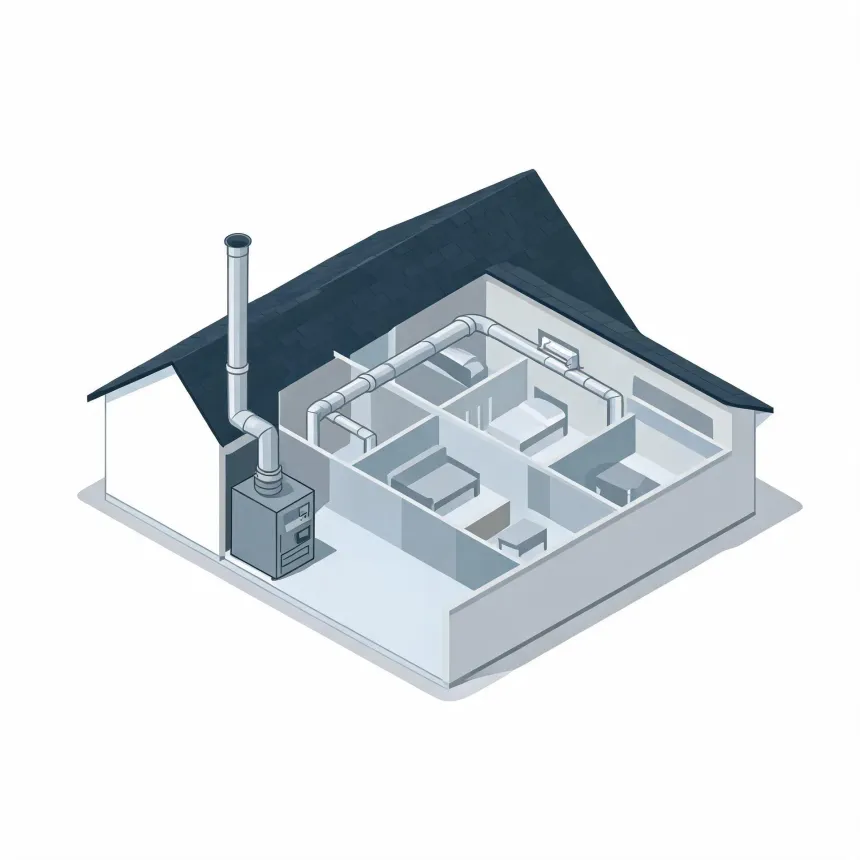
Isometric cutaway illustration of a single-story house with a dark shingled roof, showing interior rooms with beds and furniture, overhead ductwork, and a gray furnace with a tall flue pipe at the exterior wall.
Your furnace works hardest from November through March.

NOAA nClimDiv, 1991–2020 normals

Furnaces in Dorchester County run about seven months a year, October through April.

A breakdown after a season like that usually comes down to one worn part, not the weather.

Maryland power costs $52.34 per million Btu, and a furnace that runs poorly burns through it all winter

Heat runs October through April
Winter nights average 29°F
12 winter storms from 2015 to 2024

Get it looked at early

Problems tend to show up in the first weeks of the season, when the load hits a part that was already weak.

Find a contractor
A man in a cap, dark shirt and tan work pants walks up stone steps toward a dark blue front door, carrying a canvas tool bag, with a potted shrub beside the entry.
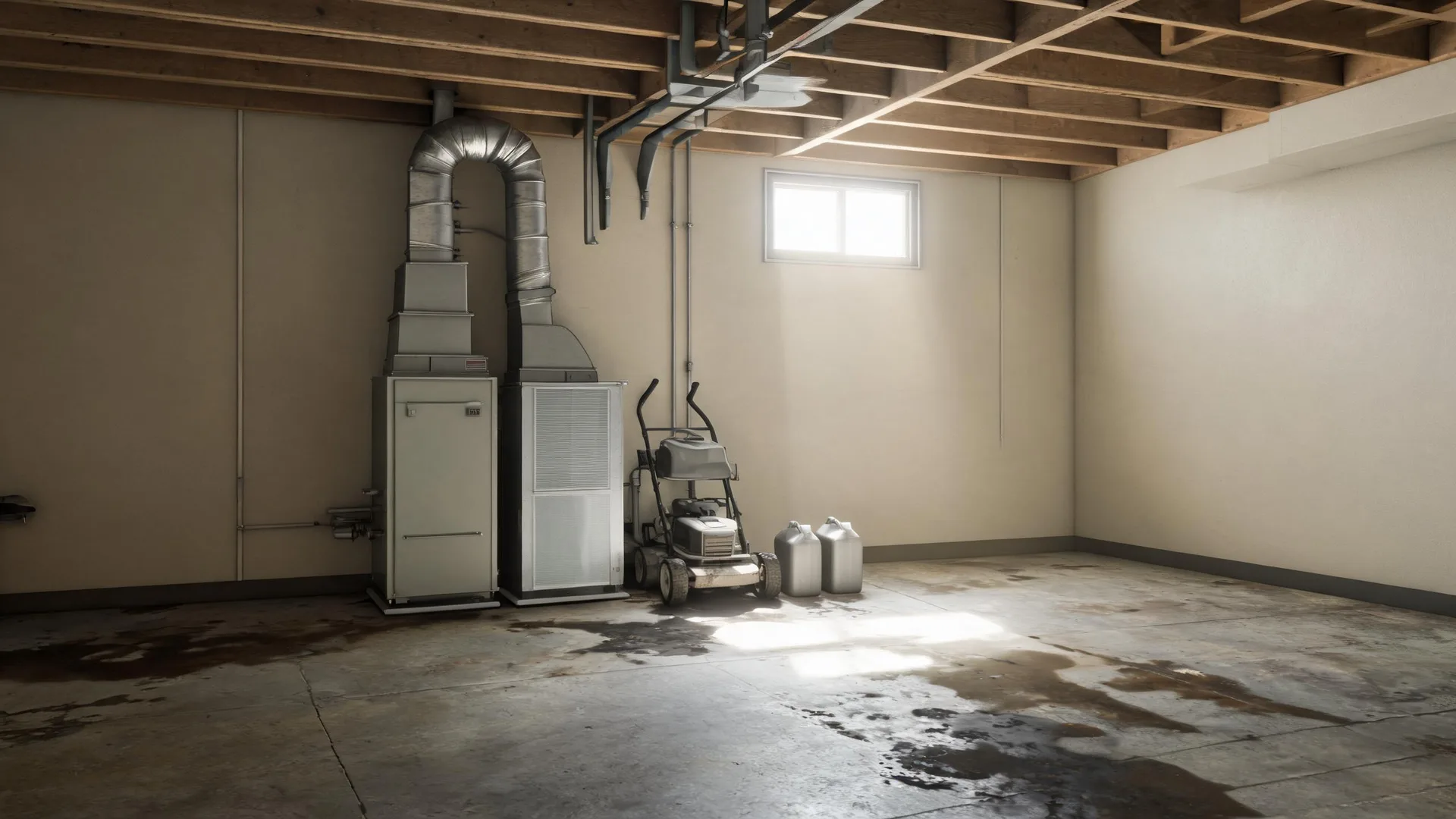
A gray gas furnace with attached ductwork and piping installed in an unfinished concrete basement.

Running it doesn't wait out the problem

A cracked heat exchanger stays small right up until it doesn't. Heat makes it expand, cold makes it contract, and a hairline crack gets a little wider with every cycle the burner fires. The same goes for a blower motor with worn bearings. It'll run loud and hot for weeks, then one day it seizes, and now the heat exchanger behind it is overheating with nowhere for the air to go. A clogged burner is the same story. It runs dirty, then dirtier, until the flame pattern is bad enough to trip the limit switch or crack something it's heating unevenly. None of these fix themselves by running more. They fail a little further each time the furnace cycles on, and the ones that fail quietly are the ones still running when they finally give out.

What you can check yourself

Look at the thermostat first. Make sure it's set to heat, not just fan, and that the setting is above room temperature. Check the air filter and swap it if it's gray or caked with dust, since a blocked filter starves the burner of air and can cause the whole system to shut down on purpose. Walk down to the furnace and look at the door panel. If it's not seated and latched, the safety switch behind it will keep the furnace from running at all.
What to leave alone

If the furnace is making noise it didn't used to make, or you smell gas, turn it off at the thermostat and don't try to open it up. The same goes for a furnace that starts and shuts off again and again. That's usually a safety switch doing its job, catching a problem with the flame or the airflow before it gets worse, and running it anyway just stresses the parts that are already failing.

Most furnace failures trace back to one of a handful of parts, and they tend to fail in the same order every time. The igniter goes first, usually, since it heats up and cools down every single cycle and the element gets brittle with age. The flame sensor is next, and it doesn't break so much as get a film of residue on it until it can't tell the furnace there's a flame to keep burning. The blower motor wears through its bearings after years of spinning, and you'll hear that one coming, loud, before it finally quits. Pressure switches and limit switches fail less often, but when they do it's usually because something upstream, like a blocked vent or a dirty burner, has been making them work outside the range they're built for. None of these are random. Each one wears down the same way in any furnace, and each one tends to show itself the same way too, right before it fails for good.

A diagnostic visit starts before the furnace is even opened up. A tech will ask when the trouble started, whether it's constant or only on some cycles, and what the furnace sounds or smells like when it happens, because that narrows down which part to check first. Then comes the cover panel off and a look at the flame itself. A clean blue flame means the burner's getting the air and gas it needs. Yellow or flickering points toward a combustion problem, and that gets checked against the heat exchanger before anything else happens, since a crack there means the furnace doesn't get run again until it's fixed. From there it's a process of testing the parts that fail most often first, the igniter and flame sensor, then working back through the switches and the blower if those check out fine. A gauge on the gas line and a meter on the electrical side usually tell the rest of the story within the hour.